mafia
Don’t mess with the mob; a look into organized crime networks and mafia families, the real-life gangsters that inspired The Godfather.
Dark Web : Hidden Secrets
In a realm beyond the surface of the everyday internet, where anonymity and secrecy shroud the digital landscape, lies the Dark Web. This story takes us on a perilous journey into the depths of this hidden world, where the boundaries between good and evil blur and the consequences of curiosity can be profound.
By Omer Irfan3 years ago in Criminal
African Woman Was Brutally Murdered And Decapitated For Her Faith
The brutal killing of Mrs. Eunice Olawale, a 42-year-old preacher in the Kubwa Guari area of FCT, remains a haunting chapter in Nigeria's history. Eight long years have passed since this tragic event unfolded, leaving behind a grieving family and a nation grappling with the loss of a beloved community figure. Eunice, a mother of seven children and a deaconess at the Redeemed Christian Church of God dedicated her days to spreading the word of God on the streets of Kubwa.
By Anonymous Tim3 years ago in Criminal
Embracing Democracy: Empowering People and Enriching Society
Democracy, a system of government that empowers individuals, holds the promise of freedom, equality, and progress. With its roots dating back to ancient civilizations, democracy has evolved over centuries to become a cornerstone of modern societies. It fosters citizen participation, upholds human rights, and promotes social justice. In this article, we will explore the essence of democracy, its benefits, and its challenges in today's world. We will also examine how democracy can be strengthened to meet the evolving needs of a rapidly changing global landscape.
By Abdul Haseeb Rizvi Attari3 years ago in Criminal
Corruption: Undermining Societies and Destroying Trust
Title: Corruption: Undermining Societies and Destroying Trust Introduction (Word Count: 150) Corruption, an insidious plague, has plagued societies throughout history, eroding trust, impeding development, and undermining the very fabric of nations. It is a multifaceted problem that manifests in various forms, from bribery and embezzlement to nepotism and favoritism. This article aims to shed light on the destructive nature of corruption, its far-reaching consequences, and the urgent need for concerted efforts to combat this pervasive issue.
By Abdul Haseeb Rizvi Attari3 years ago in Criminal
"Unmasking the Shocking Demise of 10 Ruthless Criminals Sentenced to Life: A Cautionary Tale of Lost Control"
Life imprisonment is often considered one of the harshest penalties for heinous crimes. It removes the possibility of ever tasting freedom again, confining individuals to the confines of a prison cell for the remainder of their days. For some, this unimaginable loss of control proves to be too much to bear. Over the years, there have been several notorious criminals who succumbed to their circumstances and lost control in the face of a life sentence. In this article, we will delve into the stories of 10 such individuals, whose actions within prison walls shocked the world. 1-Richard Ramirez, known as the "Night Stalker," terrorized the streets of Los Angeles in the 1980s with his gruesome murders. Sentenced to life imprisonment in 1989, Ramirez's behavior behind bars was equally disturbing. He displayed a fascination with satanic rituals, drawing pentagrams on his body, and even marrying one of his admirers. 2-Charles Manson, the infamous cult leader responsible for the Manson Family murders, was sentenced to life imprisonment in 1971. While incarcerated, Manson continued to exert control over his followers, even orchestrating a plan to escape prison. His manipulative charisma remained intact until his death in 2017. 3-Theodore Kaczynski, also known as the "Unabomber," carried out a bombing campaign that spanned nearly two decades. After being sentenced to life imprisonment in 1998, Kaczynski struggled with the loss of his freedom. He became increasingly isolated and withdrawn, often engaging in lengthy hunger strikes to protest his confinement. 4-Robert Stroud, known as the "Birdman of Alcatraz," was a convicted murderer who gained notoriety for his passion for ornithology while in prison. Sentenced to life imprisonment in 1909, Stroud's behavior deteriorated over time. He became violent and was involved in multiple altercations with both inmates and prison staff. 5-Charles Bronson, often dubbed "Britain's most violent prisoner," has spent the majority of his life in solitary confinement. After receiving a life sentence in 1974, Bronson's anger and frustration led to countless acts of violence within the prison system. His rebellious behavior has resulted in numerous prison transfers and extended sentences. 6-Richard Cottingham, known as the "Torso Killer," was convicted of multiple brutal murders in the 1970s and 1980s. Sentenced to life imprisonment in 1981, Cottingham's aggressive tendencies persisted behind bars. He has been involved in numerous assaults on fellow inmates and has shown little remorse for his heinous crimes. 7-Thomas Silverstein gained infamy as a member of the Aryan Brotherhood, a white supremacist prison gang. Silverstein was sentenced to life imprisonment in 1980 for the murder of a fellow inmate. Throughout his time in prison, he engaged in multiple acts of violence, including the killing of two correctional officers and another inmate. 8-Ian Brady, together with his accomplice Myra Hindley, committed a series of horrific murders in the 1960s known as the Moors Murders. Sentenced to life imprisonment in 1966, Brady's desire for control continued within prison walls. He embarked on multiple hunger strikes, demanding to be transferred to a prison of his choice. 9-Leslie Van Houten was a member of Charles Manson's cult and participated in the infamous Tate-LaBianca murders. After receiving a life sentence in 1971, Van Houten initially showed remorse for her actions. However, over the years, she became more combative, engaging in multiple incidents of self-harm and displaying unpredictable behavior. 10-Albert Fish: Known as the "Gray Man" and "The Werewolf of Wysteria," Albert Fish was a depraved serial killer active in the early 20th century. After being sentenced to life in prison, Fish's mental state deteriorated rapidly. He reportedly inserted needles into his groin and abdomen and claimed to hear God commanding him to harm himself. In conclusion, the stories of notorious criminals who lost control when sentenced to life imprisonment serve as harrowing reminders of the profound impact that such a sentence can have on the human psyche. While life behind bars is meant to be a punishment for heinous crimes, it can also serve as a catalyst for further acts of violence and desperation. These individuals, already marked by a dark history of criminality, find themselves stripped of hope and a future outside the prison walls. The weight of their actions and the knowledge that they will never experience freedom again can lead to a complete unraveling of their already fragile state of mind. When individuals face the prospect of spending the rest of their lives incarcerated, some are driven to drastic measures. The absence of hope, the loss of connection with the outside world, and the constant reminder of their past sins can breed a dangerous cocktail of anger, despair, and resentment. In their desperation, some resort to violent acts within the prison system, endangering the lives of fellow inmates and correctional staff. However, it is important to remember that not all individuals sentenced to life imprisonment follow this path. Many convicts strive for personal growth, redemption, and rehabilitation within the confines of their sentence. They work tirelessly to make amends, seek education, and contribute positively to society even from behind bars. Nonetheless, the cases of notorious criminals who succumb to their inner demons after receiving a life sentence underscore the need for effective prison reform. A focus on mental health support, access to education and vocational training, and the development of meaningful rehabilitation programs can provide inmates with a sense of purpose and hope. By addressing the root causes of criminal behavior and helping prisoners to rebuild their lives, we can reduce the likelihood of individuals losing control and perpetuating further harm. In society's pursuit of justice, it is crucial that we do not abandon our responsibility to ensure the well-being and rehabilitation of those sentenced to life imprisonment. By fostering an environment that promotes personal growth and redemption, we can strive towards a more humane and effective criminal justice system that seeks to prevent the tragic loss of control experienced by some notorious criminals.
By NEERAJ KUMAR SHAMI3 years ago in Criminal
Economic Hit Man: Who are they?
The economic hit men: who are they? Are they saddling financially sound nations with massive debt in order to exploit their riches and maintain power over them? The wealthy are becoming richer while the underprivileged are getting poorer. What matters, in my opinion, is that it did really occur and that a select number of wealthy individuals worldwide benefitted from it.
By F.A Weedor3 years ago in Criminal
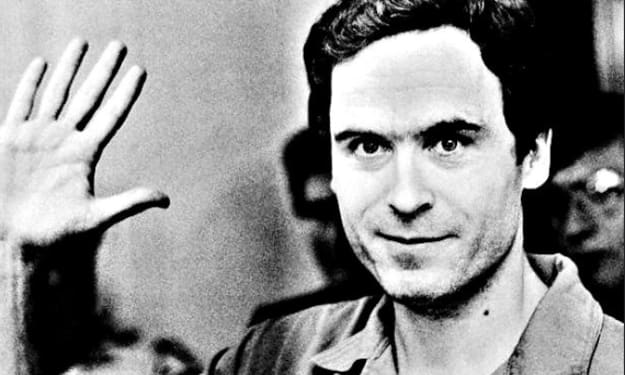
Ted Bundy
Ted Bundy: The Charming Monster Introduction: Ted Bundy, one of the most infamous serial killers in American history, captivated the nation during the 1970s with his charm and intelligence. This article delves into the life, crimes, and psychological profile of Ted Bundy, exploring the factors that shaped him into a remorseless killer. From his early life to his capture and eventual execution, the enigma of Bundy continues to fascinate and horrify people to this day.
By Ahmed Akram3 years ago in Criminal
Street traders offer a better bargain than stores as Zimbabwe's currency crumbles
artriting Zimbabwe, the economic situation has been challenging in recent years, with high inflation and a depreciating currency. As a result, street traders have emerged as an alternative to traditional stores, offering better bargains for consumers. Let's explore the reasons behind this phenomenon. Flexible pricing: Street traders often have more flexibility in setting their prices compared to established stores. They can adjust their prices based on the prevailing exchange rates and the fluctuating value of the local currency. This allows them to offer more competitive prices compared to stores that may have fixed prices or struggle to update them frequently. Informal nature of street trading: Street traders typically operate in the informal economy, without the overhead costs associated with running a formal store. They may not have to pay rent, utilities, or taxes, allowing them to keep their operating costs low. Consequently, they can pass on these savings to customers by offering lower prices. Direct sourcing and lower middlemen costs: Street traders often source their goods directly from manufacturers or wholesalers, bypassing multiple intermediaries. By eliminating middlemen, they can secure better prices and reduce transportation costs. These savings can be reflected in the prices they offer to customers. Competition among street traders: The presence of numerous street traders in a particular area fosters competition. To attract customers, street traders may offer discounted prices or engage in bargaining to secure sales. This competitive environment can lead to better bargains for consumers. Currency instability: Zimbabwe has experienced significant currency instability, with hyperinflation leading to a rapid decline in the value of the local currency. In such a scenario, street traders may prefer to conduct business in foreign currencies or use alternative means of exchange, such as bartering. This allows them to hedge against currency depreciation and offer more stable prices. It's important to note that while street traders may provide better bargains, they may not always guarantee the same level of quality or customer service as established stores. Consumers should exercise caution and make informed choices when engaging in transactions with street traders. Certainly! Here are some additional factors that contribute to street traders offering better bargains than stores in Zimbabwe: Reduced overhead costs: Street traders often operate with minimal overhead costs compared to formal stores. They may set up temporary stalls or sell their goods from carts, avoiding the expenses associated with maintaining a brick-and-mortar establishment. This lower cost structure enables them to offer products at lower prices. Limited regulations and taxes: Street traders in Zimbabwe may operate in a regulatory gray area, avoiding certain taxes and regulatory requirements imposed on formal businesses. This enables them to keep their costs low and pass on the savings to customers through better bargains. Flexibility in sourcing: Street traders can be more nimble in sourcing products compared to stores. They often have access to a wide network of suppliers, both local and cross-border, allowing them to find the best deals and negotiate favorable prices. They can quickly adapt to changes in the market and secure products at lower costs, which translates into better prices for consumers. Unemployment and informal economy: Zimbabwe has faced high levels of unemployment, and many individuals turn to street trading as a means of survival. The informal economy, including street trading, offers opportunities for income generation, albeit under challenging circumstances. The abundance of street traders creates a competitive environment that can drive prices down, benefiting consumers. Lower operating restrictions: Formal stores in Zimbabwe must comply with various regulations, permits, and licenses, which can increase their operating costs. In contrast, street traders may operate with fewer restrictions, allowing them to avoid such expenses and offer products at lower prices. It's important to recognize that while street traders may provide more affordable options, they also face their own challenges, such as lack of stability, limited access to formal financial services, and potential legal issues. Consumers should exercise caution, compare prices, and consider factors beyond just the price when making purchasing decisions
By Kiritbhai chandubhai Sodhaparmar3 years ago in Criminal
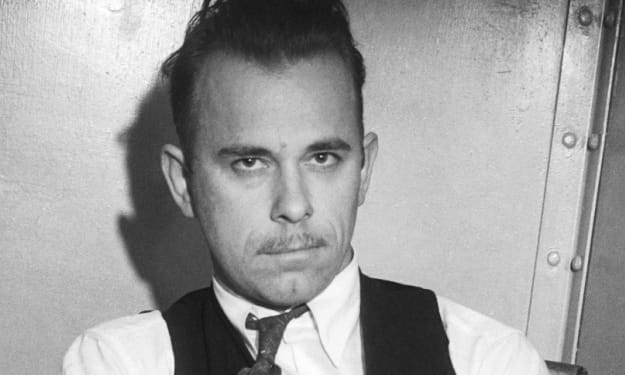
JOHN DILLIGER
John Dillinger: The Daring Outlaw of the Public Enemy Era Prepare to step back in time to the thrilling era of gangsters and outlaws as we unravel the gripping story of John Dillinger. Born on June 22, 1903, in Indianapolis, Indiana, Dillinger would become a notorious figure during the tumultuous Public Enemy era of the 1930s. Join us as we delve into the life and exploits of this audacious outlaw, capturing the essence of his daring escapades that captivated the nation.
By Ahmed Akram3 years ago in Criminal
The Final Scheme
The Final Scheme Once upon a time, in a city brimming with both beauty and chaos, a group of extraordinary individuals known as "The Architects" gathered to execute a plan that would go down in history as the greatest heist ever attempted. Led by the brilliant mastermind, Sergio, also known as "The Professor," the team consisted of individuals with unique skills, united by a common purpose: to steal an unimaginable fortune from the heart of power.
By Abdullah Wazirgai3 years ago in Criminal