
She Held Her Own Head Together
The True Story of Alison Botha — The Woman Who Refused to Die

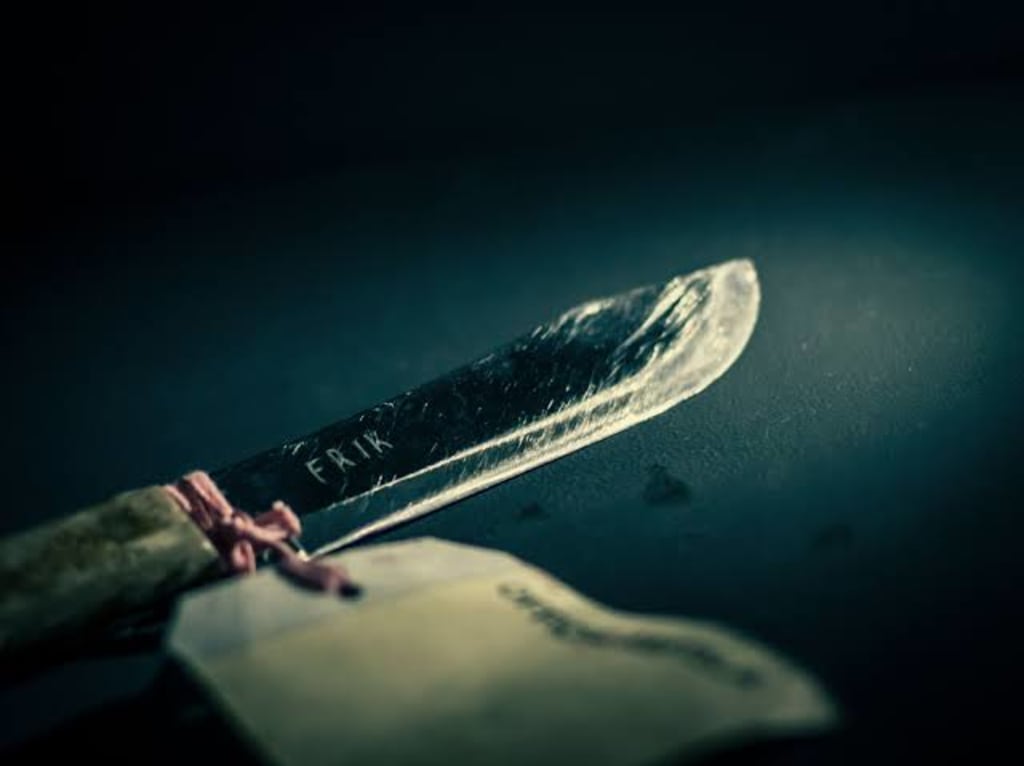
The men believed she was already dead. They stood over her mutilated body in the darkness outside Port Elizabeth, South Africa, staring at the destruction they had created. Her throat had been slashed so deeply that her head was nearly severed from her body. Her abdomen had been ripped open. She had been stabbed again and again until her attackers became convinced no human being could possibly survive what they had done. One of them reportedly asked: “Do you think she’s dead?” The other answered: “No one could survive that.” Then they left her there in the dirt. Alone. Bleeding. Dying beneath the South African night sky. But Alison Botha was still breathing. And over the next few hours, she would perform one of the most astonishing acts of survival in true crime history.
The Last Normal Evening December 18, 1994, began like any ordinary summer night in Port Elizabeth. Alison Botha was 27 years old — intelligent, outgoing, independent, and successful. Friends described her as warm-hearted and ambitious. She worked as an insurance broker and had built a stable life for herself after growing up in a divorced household with her mother and brother. She had even been head girl at school years earlier. Nobody who knew her could have imagined the horror waiting for her that night. That evening, Alison spent time with friends eating pizza, drinking wine, and playing board games. Hours later, she dropped off her final friend and drove home alone. It was shortly after 10 PM when she parked outside her apartment complex. As Alison reached for her belongings, a man suddenly appeared beside the vehicle. He pressed a knife against her. The stranger calmly ordered her to move to the passenger seat. At first, he pretended the situation was temporary. He told Alison he only needed the car for a short time and promised she would not be harmed if she cooperated. Like many victims in abduction cases, Alison complied because survival often depends on remaining calm during the first critical moments. But she had already entered a nightmare.
The Drive Into Darkness The attacker drove through the streets of Port Elizabeth before stopping to collect another man. Their names were Frans du Toit and Theuns Kruger. Later, South African media would label them the “Ripper Rapists.” As Alison sat trapped between them, the atmosphere inside the car became terrifyingly casual. The men laughed. Talked. Smoked cigarettes. Discussed ordinary things while a kidnapped woman sat beside them, trying desperately to stay alive. Alison later explained that she focused intensely on memorizing everything she could: Their voices. Their appearances. The way they spoke to each other. The details mattered because somewhere deep inside, she already suspected she might not survive. The men drove her roughly 30 minutes away from the city toward an isolated area surrounded by brush and open ground. There were no houses nearby. No lights. No witnesses. Just darkness. When the car finally stopped, Alison understood the truth. She had not been kidnapped for her car.
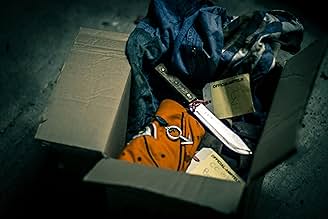
The Assault The attack that followed shocked South Africa because of its sheer savagery. The men dragged Alison from the vehicle and sexually assaulted her in the isolated field. During the ordeal, Alison made a conscious decision not to physically fight back. She later explained that she believed resistance would get her killed immediately. Instead, she concentrated on surviving minute by minute. But eventually the attackers faced a problem. Alison had seen their faces. She could identify them. And so the conversation changed. According to Alison’s later testimony, the men debated whether to let her live. Then they made their decision. They would erase her. What happened next became one of the most horrifying attempted murders in modern South African history. One attacker began stabbing Alison repeatedly in the abdomen and chest. The knife plunged into her body over and over again. Reports later stated she suffered more than 30 stab wounds. Some accounts place the number at 37. But the violence still did not stop. When the stabbing failed to kill her quickly enough, the attackers escalated. Her throat was slashed 16 times. The blade cut so deeply that her trachea was exposed and her head nearly detached from her neck. Parts of her vertebrae were severed. Then they left her there to die.
“I Realized My Life Was Too Valuable To Let Go” For some time, Alison drifted in and out of consciousness. The silence around her was terrifying. Then reality began returning piece by piece. She realized her attackers were gone. She realized she was still alive. And then she felt her injuries. Her abdomen had been ripped open so badly that her intestines protruded from her body. Her neck could no longer support the weight of her head. If she released her grip, her head fell backward unnaturally because the muscles and tissue holding it upright had been destroyed. Most people would have died from shock alone. But Alison later said something inside her refused to surrender. “I realized my life was too valuable to let go.” Using one hand to hold her head upright and the other to keep her organs from spilling out further, Alison began moving toward the distant road. Every movement was agony. She lost consciousness repeatedly. Collapsed. Dragged herself forward again. At one point, believing she might still die before help arrived, Alison used her finger to write the names of her attackers in the dirt so police could identify them later. She remembered one attacker’s name clearly but could only partially remember the other, writing “Tins” instead of Theuns. Even while dying, she was helping solve her own attempted murder.
The Woman Beside the Road Hours later, veterinary student Tiaan Eilerd was driving along the rural road when he noticed something lying near the shoulder. At first, he believed it was a corpse. Then the body moved. Alison was still conscious. Barely. Her tongue had turned pale from catastrophic blood loss. She could no longer speak properly because of the damage to her throat. Yet somehow she remained aware of everything happening around her. Eilerd immediately realized the severity of her injuries. Using his medical knowledge from veterinary studies, he stabilized Alison as best he could while waiting for emergency services. Because she could barely talk, Alison communicated by tracing letters on her chest and squeezing hands to answer questions. Even then, she was still helping investigators.
Doctors Couldn’t Believe She Was Alive When Alison arrived at Greenacres Hospital, doctors were stunned. One surgeon later admitted he had never encountered injuries so catastrophic in a conscious patient. Her survival bordered on medically impossible. She underwent emergency surgery after emergency surgery. Her throat. Her abdomen. Her internal organs. Everything had to be repaired. Over the following years, Alison endured more than 40 operations. But despite the unimaginable trauma, she remembered everything. And that would destroy the men who tried to kill her.
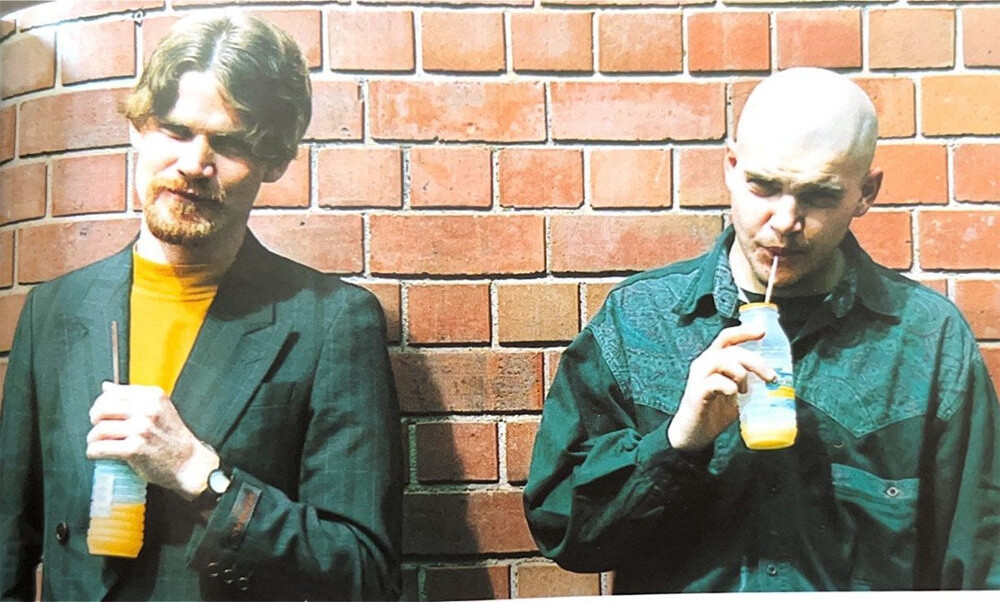
The Hunt For The “Ripper Rapists” From her hospital bed, Alison gave investigators detailed descriptions of both attackers. Detective Brigadier Kobus Ehlers led the investigation. Alison described the men’s appearances, voices, conversations, and behavior in chilling detail. Police soon found Alison’s abandoned yellow Renault. Fingerprints inside the vehicle matched Frans du Toit, who already had a criminal record involving sexual violence allegations. He was arrested within days. Under questioning, du Toit implicated Theuns Kruger. Soon both men were in custody. The moment they learned Alison had survived reportedly shocked them completely. Because she remembered everything.
The Trial The trial in 1995 horrified the nation. South Africans packed courtrooms and followed every development closely because the details were almost beyond belief. Alison testified against the men who nearly murdered her. Imagine the psychological strength required for that moment: Looking directly at the people who violated, mutilated, and abandoned you in a field to die. And speaking anyway. The forensic evidence was overwhelming. DNA evidence, fingerprints, Alison’s testimony, and physical evidence from the crime scene destroyed the defense. Frans du Toit and Theuns Kruger were convicted of kidnapping, rape, attempted murder, and related charges. Both received life sentences in August 1995. The judge described the crime as displaying extraordinary brutality and a complete disregard for human life. Even decades later, many South Africans still consider it one of the most horrifying crimes in the country’s history.
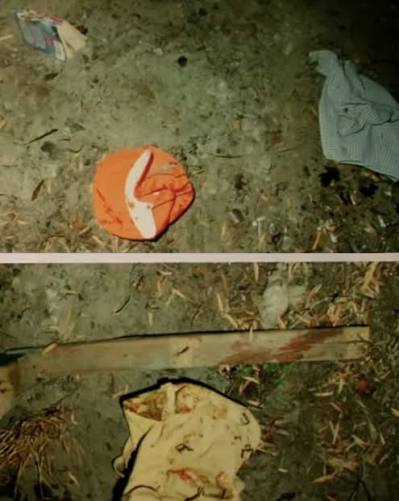
The Scars That Never Fully Heal People often imagine survival as a happy ending. But survival is not the end of horror. It is the beginning of living with it. Alison carried permanent scars across her body. The attack damaged her throat, abdomen, and reproductive system so severely that doctors feared she might never have children. Then came the psychological trauma: Nightmares. Flashbacks. Fear. The endless replaying of that night in her mind. Yet Alison refused to allow the attack to define her life forever. And that decision transformed her into something far greater than a victim.
“I Have Life” Instead of disappearing from the public eye, Alison began speaking openly about survival, trauma, and resilience. She traveled internationally sharing her story and eventually co-wrote the memoir I Have Life with journalist Marianne Thamm. Her survival story later became the award-winning 2016 documentary Alison. Then came another miracle. Despite doctors believing the attack may have permanently destroyed her ability to have children, Alison eventually became a mother to two sons. For many readers, that fact alone feels like the ultimate act of defiance against the men who tried to erase her existence.
The Night Evil Failed True crime stories rarely contain hope. Most end with death. Others end with trauma that never fully heals. But Alison Botha’s story is different because it forces us to confront something terrifying — and inspiring — at the same time. Human cruelty can be monstrous. But human survival can be even stronger. On a deserted road in South Africa, a dying woman physically held her own body together and walked out of hell. And decades later, the world still cannot forget it.
About the Creator
E. hasan
An aspiring engineer who once wanted to be a writer .
Enjoyed the story? Support the Creator.
Subscribe for free to receive all their stories in your feed.
Comments
There are no comments for this story
Be the first to respond and start the conversation.