Latest Stories
Most recently published stories in Criminal.
All Four Of Foolio's Convicted Murderers Receive Life In Prison
For their vicious actions, the four men who slayed Foolio should have received the death penalty. Their brazen, horrific style of dispatching this young man made it impossible for him to live. That should’ve been the outcome for them as well.
By Skyler Saunders3 months ago in Criminal
The Killer Confessed Everything… Then We Discovered He Had Been Dead for a Week. AI-Generated.
Detective Elara Vance was not a woman prone to flights of fancy. In the hardened world of Blackwood City Homicide, she dealt in blood, bone, and the cold, hard logic of forensics. The neon lights of the city outside her office window were blurred by a persistent, freezing rain that seemed to soak directly into the old precinct’s walls. It was 3:17 AM when her computer chimed, a notification slicing through the rhythmic thrum of the downpour. It was an email. Not unusual. But this was from an address that had gone silent six months ago, belonging to a man named Elias Thorne. Thorne had been the prime suspect in the disappearance of Julianne Croft, a local artist. The case had gone cold after Thorne vanished into the city's shadows. Elara opened the email. It was a single file: a video confession. She clicked play. Elias Thorne appeared on screen, his face gaunt, his eyes hollowed out by what looked like sleepless nights and profound regret. The background was an nondescript, dimly lit room. He began to speak, his voice a ragged whisper. "It’s over, Elara. I can’t live with it anymore. She’s... she’s in the cellar of the old textile mill. Fourth pillar, under the loose stones." He looked directly into the camera, a tear escaping. "I loved her, you know. But the argument... I snapped. I need this to be finished." The video ended abruptly. Elara was already reaching for her jacket. Within the hour, Elara and a forensic team were tearing through the abandoned textile mill on the industrial outskirts. It was a cavernous, terrifying space, smelling of rust and decay. They found the cellar. They found the fourth pillar. And they found Julianne Croft, her body perfectly preserved in the cool, dry earth exactly as Thorne had described. "It’s a match," the medical examiner confirmed an hour later. Elara was triumphant. The cold case was closed. All that remained was to hunt down Thorne. But as dawn broke over the city, the true darkness of the case began to reveal itself. While the search for Thorne intensified, a sanitation worker reported a vehicle abandoned in a secluded ravine ten miles outside the city limit. It was Thorne’s car. And in the driver's seat was Elias Thorne himself, dead from a self-inflicted wound. Elara arrived at the scene, the win from the night before evaporating. "Must have been immediate remorse after the confession," she muttered to the ME, Aris Thorne, no relation. But Aris shook his head, looking at the rigor mortis and the decomposition. "Elara... no." "What do you mean, no?" "He didn't just die. Based on liver temperature and larval activity... this man has been dead for at least eight to nine days." The world tilted. "That’s impossible," Elara argued. "He confessed. He sent me a video last night." "I can show you the samples, Elara. The biology doesn't lie." Aris was adamant. Elara Vance now stood in a vortex of contradiction. She had a video confession timestamped at 3:17 AM that morning. It contained precise, intimate details known only to the killer—details she had verified herself. Yet the man who made the confession had been a corpse in a ravine for over a week before the video was even created. Her focus shifted from closure to madness. Who was on that screen? A perfect deepfake? Unlikely; the emotional nuances were too complex for current AI. A body double? Julianne's details were too specific. The tech team analyzed the video's metadata. It was clean. It claimed to be recorded the previous afternoon. But the ME's timeline was ironclad. Elara went back to the cellar in the mill. She searched not for Julianne, but for clues about how Julianne was found. Embedded deep in the soil where Julianne had lain, she found a small, almost invisible glass vial. A sample of the drug inside revealed a potent compound designed to suspend decomposition. It was rarely used outside specialized medical research. And Elias Thorne’s call logs? The final call was not to an accomplice or the press. It was to a prestigious research lab, specifically to the cellular biology division. A horrifying hypothesis emerged. Elias Thorne knew he was dying. Perhaps he had planned this bizarre theatrical curtain call. He had found Julianne’s location somehow, perhaps from the real killer, or perhaps he was the killer but had prepared for his death. Maybe he had recorded the video weeks ago, leaving it in the hands of someone—a third party—who was instructed to wait for a signal, or who had the technical expertise to timestamp it deceptively. But if Thorne was already dead, who sent it? Elara Vance looked out at the rain. The case against Elias Thorne was legally closed, the confession undeniable. But the mystery of Body No. 13 (the official, grim designation of the unnamed victim from her previous difficult case) felt simple compared to this metaphysical puzzle. Was the city itself haunted, or had technology simply enabled a ghost to deliver justice? She would never truly know, and that chill was far colder than the Blackwood rain.
By Yasmine Yessou3 months ago in Criminal
Body No. 13. AI-Generated.
The rain in Blackwood City never just fell; it punished. It washed over the grime of the neon-lit streets, masking the sins of the night but failing to cleanse the chill that had settled deep into Detective Edward Vance’s bones. At 3:14 AM, his phone had buzzed with a tone he had learned to dread. Now, he stood inside the sterile, fluorescent-lit confines of the county morgue, the smell of formaldehyde and copper hanging heavy in the air. Dr. Aris Thorne, the chief medical examiner, was already waiting. He pulled back the white sheet of the stainless-steel table, revealing the pale, lifeless form of a young man. "What do we have, Aris?" Vance asked, his voice a low rumble. "Male, mid-twenties. Found by a sanitation worker in an alley off 4th Street," Aris replied, his tone clinical yet laced with an underlying unease. "No wallet, no phone, no tattoos. The fingerprints aren't in the database. But it’s not how he died that’s going to keep you up tonight, Edward. Look at his wrist." Vance stepped closer, his eyes narrowing. Tied securely around the victim's left wrist was a thick, black plastic tag. Written on it in bold, permanent marker was a single identifier: BODY NO. 13. "The John Doe protocol?" Vance muttered. "No," Aris shook his head, a grim expression chilling his features. "The city morgue logs haven't even processed him yet. This wasn't put here by my staff. Whoever killed him left this tag as a calling card. And Edward... we haven't found bodies one through twelve." The Paper Trail The realization hit Vance like a physical blow. A serial killer was operating in his city, completely under the radar, and this was their first deliberate declaration of war. Back at his desk, surrounded by cold coffee cups and a mountain of missing persons reports, Vance began to dig. If this was Body No. 13, the previous twelve had to exist somewhere. He shifted his focus from recent homicides to unexplained disappearances over the past two years. He looked for a pattern—unremarkable people who slipped through the cracks of society. Runaways, unhoused individuals, overnight travelers. By noon, a terrifying pattern emerged. Twelve people had vanished from the tri-state area within eighteen months, all sharing one commonality: they had all been plaintiffs or witnesses in a high-profile corporate corruption case involving Vanguard Pharmaceuticals, a company that had allegedly tested experimental drugs on vulnerable populations. The case had been abruptly thrown out a year ago due to a "lack of evidence" and the sudden disappearance of key witnesses. The man on the slab, Vance discovered through a stroke of luck and facial recognition software, was Julian Vance (no relation)—a disgruntled former IT specialist at Vanguard who had recently threatened to leak confidential servers to the press. The Trap is Set Vance knew he was dealing with an organized, cold-blooded fixer—someone hired to clean up Vanguard’s messes. Leaving the "Body No. 13" tag wasn't just arrogance; it was a final status report to the employer, a grim receipt of a job completed. Using Julian’s encrypted laptop, which Vance’s tech team managed to recover from the victim's apartment, they found an unsent email scheduled to go out to an anonymous journalist. It contained a set of GPS coordinates pointing to an abandoned industrial warehouse on the outskirts of Blackwood. "It's a trap," his partner, Detective Miller, warned as they geared up. "The killer knows we’d find the laptop." "It's the only lead we have," Vance replied, checking his service weapon. "And I'm not letting Body Number 14 happen." Face to Face with the Ghost The warehouse was a cavern of rusted iron and shadows. Rain drummed violently against the corrugated metal roof, drowning out the sound of their footsteps. Vance and Miller split up, moving through the gloom with flashlights drawn. A floorboard creaked above them. Vance swung his light upward, catching the silhouette of a figure in a heavy dark trench coat. "Police! Don't move!" Vance yelled. The figure didn't run. Instead, a calm, distorted voice echoed through the warehouse. "You're late, Detective. I expected you hours ago." A sudden flash of gunfire shattered the darkness. Miller went down with a cry, clutching his shoulder. Vance dove behind a concrete pillar as bullets chipped away at the stone. He waited for the rhythm of the shooter—three shots, a pause, two shots. On the next pause, Vance pivoted and fired three rounds into the darkness. A heavy thud echoed through the room. Vance advanced cautiously, his flashlight beam cutting through the dust. The shooter lay slumped against a stack of wooden pallets, a bullet wound to the chest. It was Thomas Wright, the head of security for Vanguard Pharmaceuticals—and a former black-ops operative. Clutched in Wright's bleeding hand was a roll of black plastic tags, exactly like the one found on Julian’s wrist. Next to him lay a burner phone, its screen still glowing with a text message sent to an encrypted number: Task complete. Portfolio closed. The Unfinished Ledger Wright died before the ambulance arrived, taking the exact locations of bodies one through twelve to his grave. Weeks later, the scandal tore Vanguard Pharmaceuticals apart. Executives were arrested, and the corporate empire crumbled under the weight of the federal investigation triggered by Vance's findings. It was a victory for justice, but for Vance, the victory tasted like ash. Every night, he would sit in his office, staring at the photograph of the black tag labeled BODY NO. 13. The system had been cleaned up, but twelve souls were still out there, buried in unmarked graves, waiting to be found. The case was closed, but the haunting of Blackwood City had just begun.
By Yasmine Yessou3 months ago in Criminal
Dolya: The Pakhan wears heals. AI-Generated.
“_Privet_, Rodger. Did the shipment clear?” Clementine’s voice was ice over silk. She adjusted the cuff of her Dior blazer with her free hand, watching Bangkok traffic crawl 30 floors below. No one in the fashion house beneath her knew their CEO was on the phone with a container yard full of illegal AKs.
By Bianca Holder3 months ago in Criminal
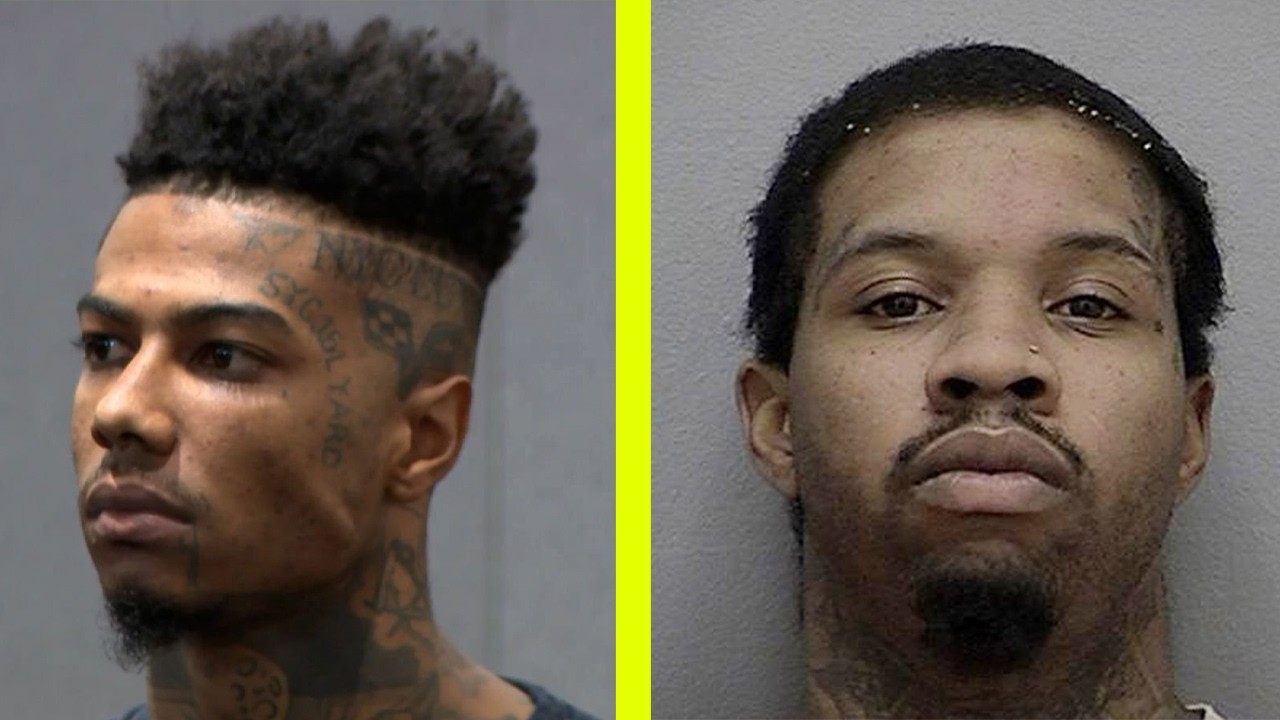
10 Rappers Serving Jail Time Inside United States Prisons
10 - Lil Durk Lil Durk's legal issues date back to his early career. In October 2011, he was convicted and served time on gun charges, including possession of a firearm with a defaced serial number.
By Vidello Productions3 months ago in Criminal
The FBI Stopped a Planned Attack on a White House Event
Date: June 22, 2026 This article discusses events reported by authorities in mid-June 2026. The FBI Stopped a Planned Attack on a White House Event In June 2026, a shocking event caught the attention of people across the United States. Federal authorities announced that they had stopped a planned attack targeting a major event near the White House. According to investigators, the attack could have put many lives at risk if it had not been discovered in time. The case quickly became one of the most talked-about security stories of the year. The investigation began when law enforcement agencies received information about suspicious online activities. Officials noticed discussions that suggested a group of individuals might be planning a violent act. As investigators looked deeper into the matter, they found evidence that the suspects were communicating through private online channels and discussing ways to carry out an attack. The planned target was a large public event connected to celebrations taking place in Washington, D.C. Such events often attract thousands of visitors, government officials, media representatives, and security personnel. Because of the high-profile nature of the gathering, authorities treated the threat with extreme seriousness. Federal agents worked quietly for several days while collecting evidence. They monitored communications, followed leads, and coordinated with local law enforcement agencies in multiple states. The goal was to learn as much as possible about the suspects and their plans before taking action. According to officials, investigators discovered that the group allegedly intended to use drones and other weapons during the attack. Drones have become increasingly common in recent years, and while many people use them for photography, recreation, or business purposes, authorities have also expressed concerns about how such technology could be misused. The possibility of drones being used in a violent attack raised significant alarm among security experts. After gathering enough evidence, the FBI and its partners launched a coordinated operation. Law enforcement officers carried out arrests in several states. The operation involved careful planning to ensure public safety and prevent any suspects from carrying out their alleged plans. Officials reported that multiple individuals were taken into custody without the attack ever taking place. News of the arrests spread rapidly. Many Americans expressed relief that authorities had acted before anyone was harmed. Security experts praised the cooperation between federal and local agencies, noting that complex investigations often require teamwork across different jurisdictions. The incident also sparked discussions about online radicalization and the challenges faced by law enforcement in the digital age. Experts pointed out that people can now communicate instantly across great distances, making it easier for dangerous ideas to spread. At the same time, investigators have developed new tools and techniques to identify potential threats before they become reality. Government officials emphasized that the case demonstrated the importance of vigilance. They encouraged citizens to report suspicious activities when they encounter them. In many cases, tips from the public can help investigators uncover threats that might otherwise go unnoticed. The FBI stated that the investigation remains ongoing. Authorities continue to examine evidence, interview witnesses, and determine whether additional individuals may have been involved. Officials have not ruled out the possibility of further arrests as the case develops. For many people, the story serves as a reminder that security threats can emerge in unexpected ways. It also highlights the difficult work performed by law enforcement agencies behind the scenes. While most investigations never become public, countless hours are often spent gathering information, analyzing evidence, and preventing potential crimes. The successful prevention of the alleged attack demonstrates how modern security operations rely on intelligence, technology, and cooperation. By identifying the threat early and acting quickly, authorities were able to stop a dangerous situation before it unfolded. As the investigation continues, many Americans will be watching closely for updates. The case has already become an important example of how law enforcement agencies respond to modern security challenges. Most importantly, it serves as a reminder that preventing violence before it occurs can save lives and protect communities. The events of June 2026 will likely be remembered as a case in which careful investigation and timely action helped prevent what could have been a tragic incident. For now, authorities remain focused on completing their investigation and ensuring that public safety remains their highest priority.
By Hafiz afridi3 months ago in Criminal
A Perilous Inheritance
The age of twenty, while at adulthood, is still a young and tender age. College age and old enough to vote, but still a year shy of legally having a cold one while watching a sporting event. Cassie Carver's at that very age of twenty, but a lot of unexpected things have happened to her lately. The sudden and shocking death of Cassie's uncle, Matthew Carver, four months prior, was heartbreaking; she was close with her uncle Matthew since her childhood.
By Clyde E. Dawkins3 months ago in Criminal
She Was Missing For 30 Years. Then She Told The Cops She Didn't Want To Come Home.
The detective’s pen hung over the form as if waiting for me to admit to a crime I wasn’t sure I’d committed. ‘Do you want to go home?’ Slow and gentle, as if talking to a wild animal.
By write with shan3 months ago in Criminal
The True Case of the UK’s Stephen Lawrence Murder Investigation. AI-Generated.
The True Case of the UK’s Stephen Lawrence Murder Investigation Introduction The case of Stephen Lawrence is one of the most significant criminal cases in modern British history. It is not just about a murder, but also about justice, failure, and reform in the legal system of the United Kingdom. The case exposed deep problems within the police system and changed public understanding of racism and fairness in law enforcement. Stephen Lawrence was a young man whose life was taken in a violent racist attack in London in 1993. His death led to decades of investigation, public pressure, and legal reform that reshaped the country. Who Was Stephen Lawrence? Stephen Lawrence was born on 13 September 1974 in London, United Kingdom. He was a Black British teenager with strong dreams of becoming an architect. He was studying hard and doing well in school. Teachers described him as polite, intelligent, disciplined, and focused on his future. He had strong family support and a clear vision for his life. His parents believed he would build a successful future. Sadly, his life ended at just 18 years old before he could achieve his dreams. The Night of the Attack On the evening of 22 April 1993, Stephen Lawrence was waiting at a bus stop in Eltham, South East London, with his close friend Duwayne Brooks. It was a normal evening, but everything changed in seconds. A group of young men approached them suddenly and without warning. The group launched a violent and brutal attack on both teenagers. Stephen was stabbed multiple times during the assault. His friend Duwayne managed to escape and ran for help. Emergency services arrived quickly, and Stephen was taken to hospital, but he sadly died from his injuries shortly after arrival. The Shock and Public Reaction Stephen’s murder shocked the local community and the entire country. Many people believed the attack was racially motivated, which increased fear and anger. The case received national attention, and people demanded justice. However, what made the case even more controversial was how the investigation was handled in the early stages. The First Investigation Problems The initial police investigation into Stephen Lawrence’s murder faced serious criticism. Although there were witnesses and possible leads, the investigation was slow and poorly managed. Many witnesses claimed they were not properly interviewed or taken seriously. Important evidence was not followed up effectively. Several suspects were identified early, but the case did not progress to successful prosecution. Over time, public confidence in the investigation decreased. Many believed that institutional bias played a role in the failure to solve the case quickly. The Family’s Fight for Justice Stephen’s parents, Neville Lawrence and Doreen Lawrence, became the strongest voice for justice in this case. They refused to accept that their son’s murder would remain unsolved. They launched a long and determined campaign for truth and accountability. They spoke to the media, met government officials, and demanded a full public inquiry into how the investigation was handled. Their courage and persistence kept the case alive in public discussion for years. Despite emotional pain and frustration, they never gave up. The Macpherson Inquiry Due to growing public pressure, the British government launched a public inquiry in 1997 led by Sir William Macpherson. This inquiry carefully examined the original police investigation. After years of review, the final report was published in 1999. The report made a historic and shocking conclusion: the Metropolitan Police was “institutionally racist.” This finding caused national debate and became a turning point in British policing history. The report also recommended major reforms in police training, procedures, and accountability. Legal and System Changes After the Macpherson Report, many changes were introduced in the UK justice system. Police training programs were improved to address racial bias. New procedures were introduced to ensure better handling of witness statements and hate crime investigations. Laws related to racial discrimination and hate crimes were strengthened. The case became a major example of how a single investigation could expose deep structural problems and lead to national reform. Breakthrough in the Case For many years, the murder case remained unsolved. However, advances in forensic science and renewed investigation efforts brought new hope. In 2012, two of the original suspects, Gary Dobson and David Norris, were finally brought to trial. Modern forensic techniques helped link them to the crime scene through microscopic evidence. Both men were convicted of the murder of Stephen Lawrence and sentenced to life imprisonment. This marked a major milestone in the case, although not all suspects were ever convicted. Impact on British Society The Stephen Lawrence case had a lasting impact on British society. It changed the way police investigations are conducted and improved awareness of racism in public institutions. The case led to better training for police officers and stronger accountability systems. It also influenced hate crime legislation and improved treatment of victims and witnesses. The case became a symbol of justice reform and highlighted the importance of equality under the law. Legacy of Stephen Lawrence Today, Stephen Lawrence is remembered as more than a victim of crime. He is a symbol of justice, change, and reform. His name is used in educational programs, scholarships, and equality initiatives. Law schools and human rights organizations study his case as an example of both failure and progress. His legacy continues to inspire efforts to fight racism and improve justice systems around the world. Conclusion The murder of Stephen Lawrence was a tragic event that changed the United Kingdom forever. While justice was delayed for many years, the determination of his family and supporters led to major reforms in policing and law. The case exposed serious weaknesses in the justice system but also created lasting improvements. Stephen Lawrence’s legacy remains a powerful reminder that truth, justice, and equality must always be protected.
By Hafiz afridi3 months ago in Criminal