
Good Neighbors
The deadliest crimes don't begin in dark alleys. They begin at backyard fences, over coffee, with a wave and a smile.
M Mehran
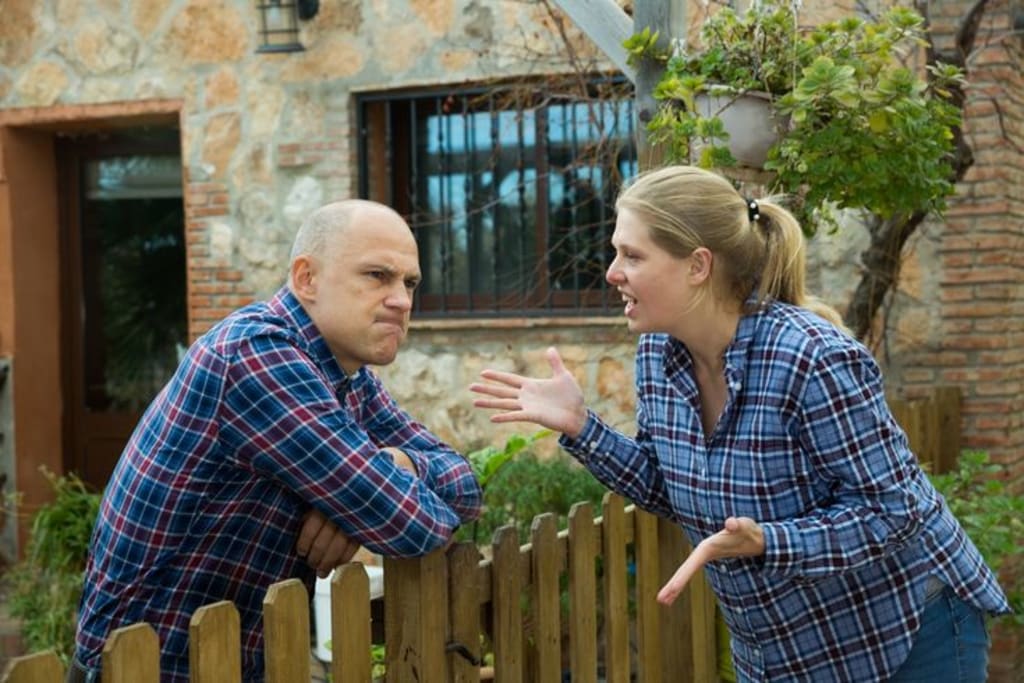
The Pruitt family moved into 114 Sycamore Lane on a Saturday in early October. By Sunday, their neighbor had already memorized their schedule. Kevin Marsh watched from his kitchen window as the moving truck emptied out. He noted the mother — late thirties, harried, kind-faced. Two kids under ten. A husband who left early and came home late. He watched the way she carried boxes alone, without asking for help, the way people do when they're too proud or too tired to admit they need someone. He introduced himself that afternoon with a bottle of wine and a casserole dish covered in foil. "People thought Kevin was the best neighbor they'd ever had," said Tamara Pruitt, three years later, sitting across from investigators in a grey-walled room. "That was the problem. That was exactly the problem." The Crime Hidden Inside Kindness There is a category of criminal that law enforcement finds uniquely difficult to investigate — not because they're smarter than other offenders, but because the communities around them actively resist believing the truth. Kevin Marsh didn't have a criminal record. He had a reputation. Twelve years on Sycamore Lane. A yard that won the neighborhood association award two summers running. He shoveled elderly Mrs. Calloway's driveway every winter without being asked. He organized the block's Fourth of July cookout. He was, by every visible measure, the kind of person a neighborhood builds its identity around. Which is precisely what made him so dangerous. Criminal behaviorists use the term prosocial predator to describe offenders who deliberately cultivate community standing as both camouflage and access. Their good deeds are real. Their reputation is earned. But underneath the casserole dishes and the shoveled driveways, something else runs entirely. "The community becomes an unwitting accomplice," explained forensic psychologist Dr. Nina Castillo, who has profiled dozens of neighborhood-based criminal cases. "Every time someone says, not Kevin, Kevin would never, they're doing the criminal's work for him." A Pattern Nobody Wanted to See The Pruitts weren't Kevin Marsh's first targets. Investigators would eventually determine they were his fifth family in twelve years — five families who had moved into the neighborhood new, unfamiliar, and quietly vulnerable. Each time, the pattern was the same. Kevin identified families in transition — new to the area, recently divorced, financially stretched. He offered help. Genuine help, at first. Babysitting. Rides to the airport. A spare key held just in case. He became load-bearing in their lives before they realized they were depending on him. Then came the requests. Small ones initially — a loan until payday, a signature on something that needed a neighbor's witness, access to accounts that needed a second name. By the time the families understood what was happening, Kevin had made himself so embedded in their daily lives that confronting him felt like dismantling their own support system. Three of the five families never reported him at all. "That's the cruelest part of this kind of crime," said Detective Sonya Birch, who led the investigation after Tamara Pruitt finally came forward. "Victims feel stupid. They feel like they let it happen. They let someone in — someone who seemed good — and now they're supposed to explain that to a police officer?" Shame is a criminal's best insurance policy. The Moment the Neighborhood Broke When detectives first approached other residents of Sycamore Lane, the response was nearly uniform: disbelief, then defensiveness, then something quieter and more unsettling — a slow, reluctant review of their own memories. Mrs. Calloway remembered a night she'd mentioned her daughter's access codes while Kevin helped her with her phone. She'd thought nothing of it at the time. A couple three doors down recalled Kevin offering to manage their home rental account while they traveled abroad. They'd been grateful. A retired teacher remembered lending Kevin her car for a weekend when his was in the shop. The car came back with 400 extra miles on it and a receipt from a town she'd never heard of in the glove compartment. Each memory, alone, was nothing. Together, they were everything. "Investigators call it retrospective pattern recognition," Detective Birch explained. "Victims see the truth backwards. Every odd moment, every strange request suddenly lines up. And that moment of recognition — when people realize how long they didn't see it — that's devastating." What Kevin Marsh Understood About People Kevin Marsh was convicted on eleven counts spanning fraud, theft, and unauthorized access across multiple jurisdictions. He received a nine-year sentence. At no point during the trial did he express anything that prosecutors recognized as genuine remorse. What he expressed, instead, was frustration — the frustration of someone who believed he had simply been better at reading people than they had been at reading him. Criminal psychologists who reviewed his case noted a consistent theme in his behavior: Kevin didn't hate his neighbors. In a distorted way, he may have genuinely liked them. What he lacked entirely was any recognition that they were people whose lives extended beyond what they could offer him. That is the quiet, mundane horror at the center of cases like his. Not rage. Not chaos. Just a fundamental absence — where empathy should have lived, there was only calculation. The Street That Had to Relearn Itself Sycamore Lane is quieter now than it used to be. Fewer cookouts. Fewer casual waves across driveways. Some residents moved away. Others stayed and said they felt changed — more careful, less open, grieving a version of their neighborhood that may never have fully existed. Tamara Pruitt stayed too. She says she doesn't regret trusting Kevin, not exactly. She regrets that the world contains people who make trust feel like a mistake. "I want to believe in good neighbors," she said. "I still do. I just know now that kindness isn't proof of anything. It's just the beginning of paying attention."
About the Creator
Enjoyed the story? Support the Creator.
Subscribe for free to receive all their stories in your feed.
Comments
There are no comments for this story
Be the first to respond and start the conversation.