
The Velvet Divide
A story that will save lives

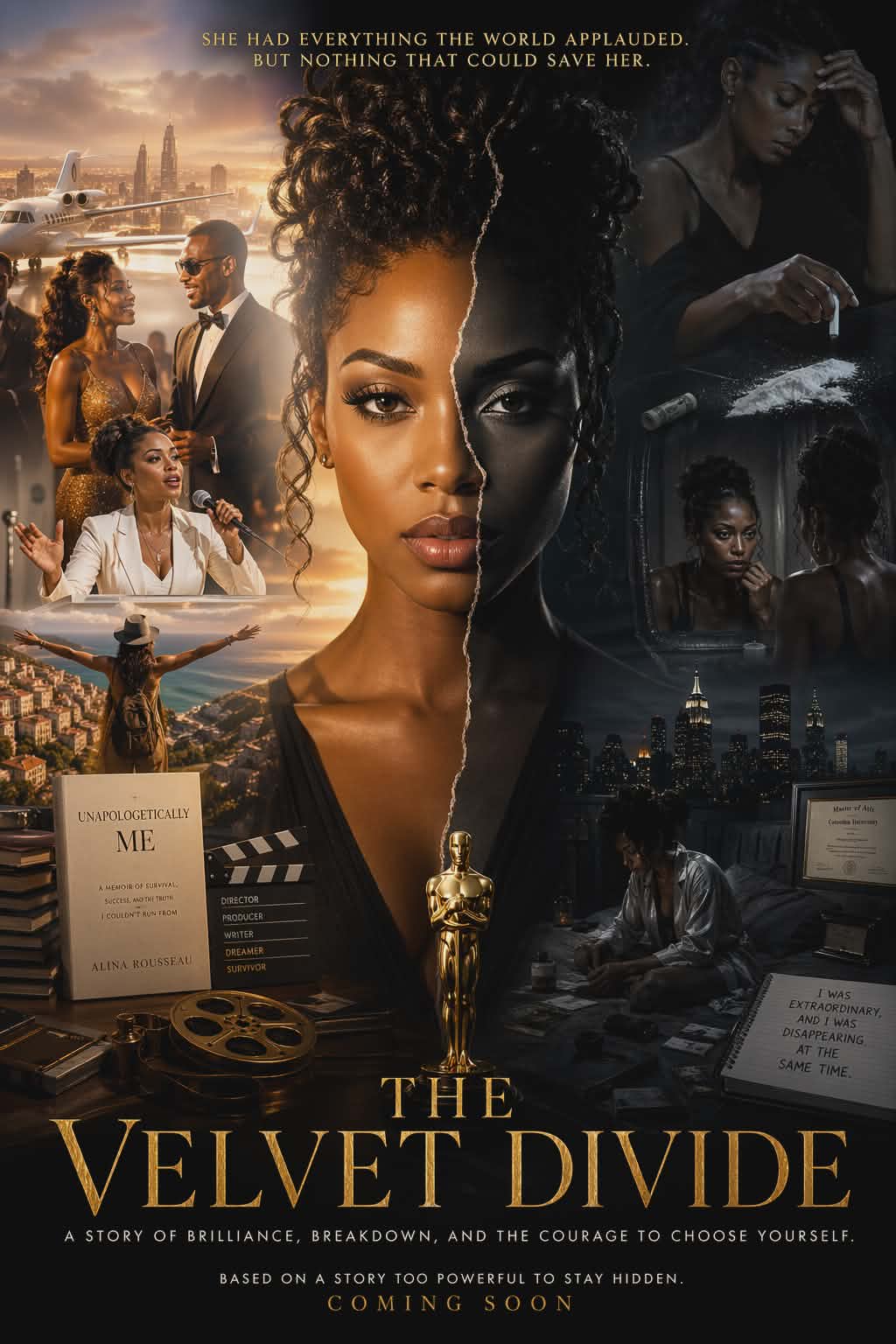
They always noticed her when she entered a room—but never in the way she feared.
It was reverence.
Heads turned. Conversations stalled. Eyes lingered—not out of curiosity, but quiet submission to something they didn’t fully understand.
Her name was Alina Rousseau.
She wore brilliance like silk—fluid, deliberate, untouchable. A master’s degree catching morning light. A production company built from nothing. A voice critics called necessary. A presence people leaned toward without realizing they were doing it.
Alina didn’t just exist.
She defined the room.
And then—
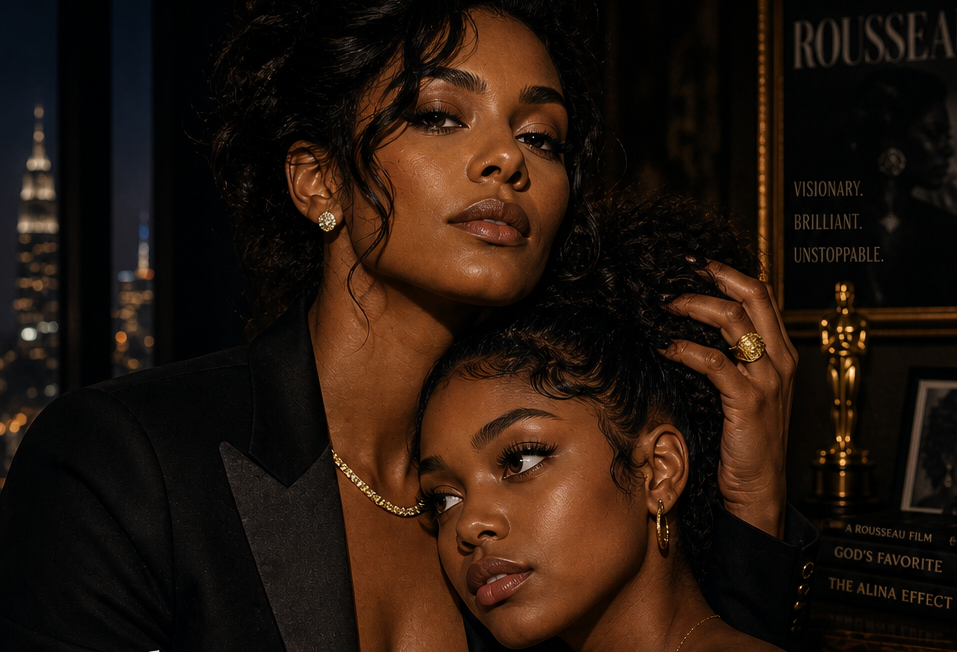
there was Barbara.
She was too young for rooms like that.
Too soft. Too unformed. Still becoming something she didn’t yet have language for.
But Alina noticed her anyway.
Not the way others did.
Not as something fleeting.
As something moldable.
“Barbara is too heavy,” Alina said once, gently, tilting her head as if studying a sculpture.
“Barbie,” she corrected softly. “You’re Barbie.”
And just like that—
she was.
---
Barbie learned quickly.
How to sit. How to speak. How to listen more than she talked. How to wear her hair the way Alina liked—dark, sleek, intentional. How to dress not for herself, but for the version of herself Alina saw.
Or was creating.
It didn’t feel like control.
It felt like elevation.
Like being chosen.
Like being seen by someone the world already worshipped.
And when Alina looked at her—really looked—
Barbie felt… real.
---
The first time Alina kissed her, it wasn’t rushed.
It was quiet.
Measured.
Almost instructional.
As if Alina wasn’t just feeling something—
but introducing Barbie to it.
“You’re safe with me,” she whispered.
And Barbie believed her.
Because Alina Rousseau didn’t feel like a person.
She felt like truth.
---
Alina’s world moved fast.
Cities blurred—New York, Barcelona, Tokyo. Applause followed her like a shadow. Rooms bent around her. Deals closed before others finished speaking.
And Barbie—
Barbie followed.
Always just slightly behind.
Close enough to feel chosen.
Far enough to never quite catch up.
---
At night, when the rooms emptied and the silence crept in, Alina leaned over glass tables and disappeared into something white and quiet.
Barbie noticed.
Of course she did.
But Alina never stumbled.
Never broke.
Never became less.
If anything—
she became more.
Sharper. Brighter. Untouchable.
So Barbie told herself the same lie the world did:
If she’s still standing, it can’t be that bad.
---
“You don’t need anyone else,” Alina told her once, brushing a strand of hair behind Barbie’s ear.
And it sounded like love.
But it felt like gravity.
---
Barbie’s world slowly shrank.
Friends became distant.
Family became optional.
Her reflection—
unfamiliar.
But Alina?
Alina was constant.
Alina was everything.
And everything revolved around her.
---
There were moments—
small, flickering cracks—
where Barbie almost questioned it.
A silence that felt too long.
A decision that wasn’t hers.
A version of herself she couldn’t quite reach anymore.
But then Alina would look at her again—
with that precision, that ownership, that quiet intensity—
and the doubt would dissolve.
---
Until one day—
it didn’t.
---
Tuesday morning.
New York.
Rain against the windows of an apartment that didn’t feel like home.
Alina sat on the floor in a silk robe, surrounded by perfection.
Awards.
Scripts.
Proof.
And nothing in her hand.
Nothing left to take.
Nothing left to silence what had finally caught up.
Across the room—
Barbie stood still.
Watching.
Not as a reflection.
Not as an extension.
But as someone separate.
For the first time.
---
“You built me,” Barbie said quietly.
Not accusing.
Not grateful.
Just… aware.
“And I disappeared inside of it.”
---
Alina didn’t respond.
Because for the first time—
she had no control over the narrative.
No words polished enough.
No version refined enough.
No illusion strong enough to hold.
---
Recovery didn’t come like redemption.
It came like separation.
Painful. Slow. Uncertain.
Alina had to learn how to exist without shaping someone else.
Barbie had to learn how to exist without being shaped.
---
They didn’t hate each other.
That would’ve been easier.
They just…saw clearly.
---
Years later, when Alina stood on stage again, her voice wasn’t sharp—it was honest.
“I was extraordinary,” she said.
“And disappearing at the same time.”
A pause.
“And the most dangerous thing wasn’t what I was doing to myself…”
Her eyes flickered—just once.
“…it was how easily I convinced someone else to lose themselves in me.”
---
No applause.
Not yet.
Because everyone understood—
this wasn’t power.
This was truth.
---
Alina Rousseau didn’t survive by becoming stronger than her darkness.
She survived by finally seeing what it cost.
And Barbie?
She didn’t return to who she was.
She became someone Alina never created.
---
And that—
was selfish and sick.
Look out for "Alina & Barbie: The Alina Rousseau story"
About the Creator
Violet Hamilton
Harlem born. Author of Shark Weak. Wrote multiple Award-Winning Cast and Crew screenplay "What If" and "Trickster." Educated. World traveler. I now reside in Long Island, New York. I adore writing. It's the only time I get to play God.
Enjoyed the story? Support the Creator.
Subscribe for free to receive all their stories in your feed.
Comments
There are no comments for this story
Be the first to respond and start the conversation.