
Hello Loneliness 1966
Dedicated to The women who were silenced in 1966, and for the women who refuse silence today.

I WROTE THE POEM IN 1966. The creations today were my prompts and the intro and all are MINE! copyright from 1966 to 2025.
INTRODUCTION
I wrote Hello Loneliness in the summer of 1966, after surviving a rape at sixteen years old. Back then, girls like me were expected to stay quiet, be good, and carry the shame that never belonged to us. We lived in a world where a girl’s pain was minimized, her voice dismissed, and her worth measured by how well she hid her hurt.
This poem was the only place I could tell the truth. I didn’t have anyone to talk to, so I wrote to survive. I wrote because the silence was heavier than the words.
Today, I share this piece not for myself alone, but for every woman who has lived through judgment, loneliness, or the weight of someone else’s violence. I share it for the women who grew up in the same era I did and for the young women now who are facing echoes of the same old expectations. You are not imagining it. You are not alone. And you are not without a voice.
This poem is my offering, my witness, and my reminder that even in the darkest moments, we have always found ways to speak.
AUTHOR’S NOTE (clear, grounded, survivor centered)
I wrote Hello Loneliness at sixteen, in the aftermath of rape, during a time when girls were expected to hide their pain and protect the reputations of the boys who hurt them. I had no language for what happened to me, no support, and no permission to speak. So I wrote. The page was the only place where the truth could live.
Decades later, I am sharing this piece not as a wound, but as a witness. The culture that shaped my silence still echoes today, and too many women are facing the same pressures to be quiet, compliant, and ashamed. This poem is my reminder that our stories matter, and that breaking silence is an act of survival, resistance, and solidarity.
Dedicated to
The women who were silenced in 1966,
and for the women who refuse silence today.
For every girl who carried shame that was never hers.
For every survivor who wrote her truth in the dark
so another woman could find her way to the light.
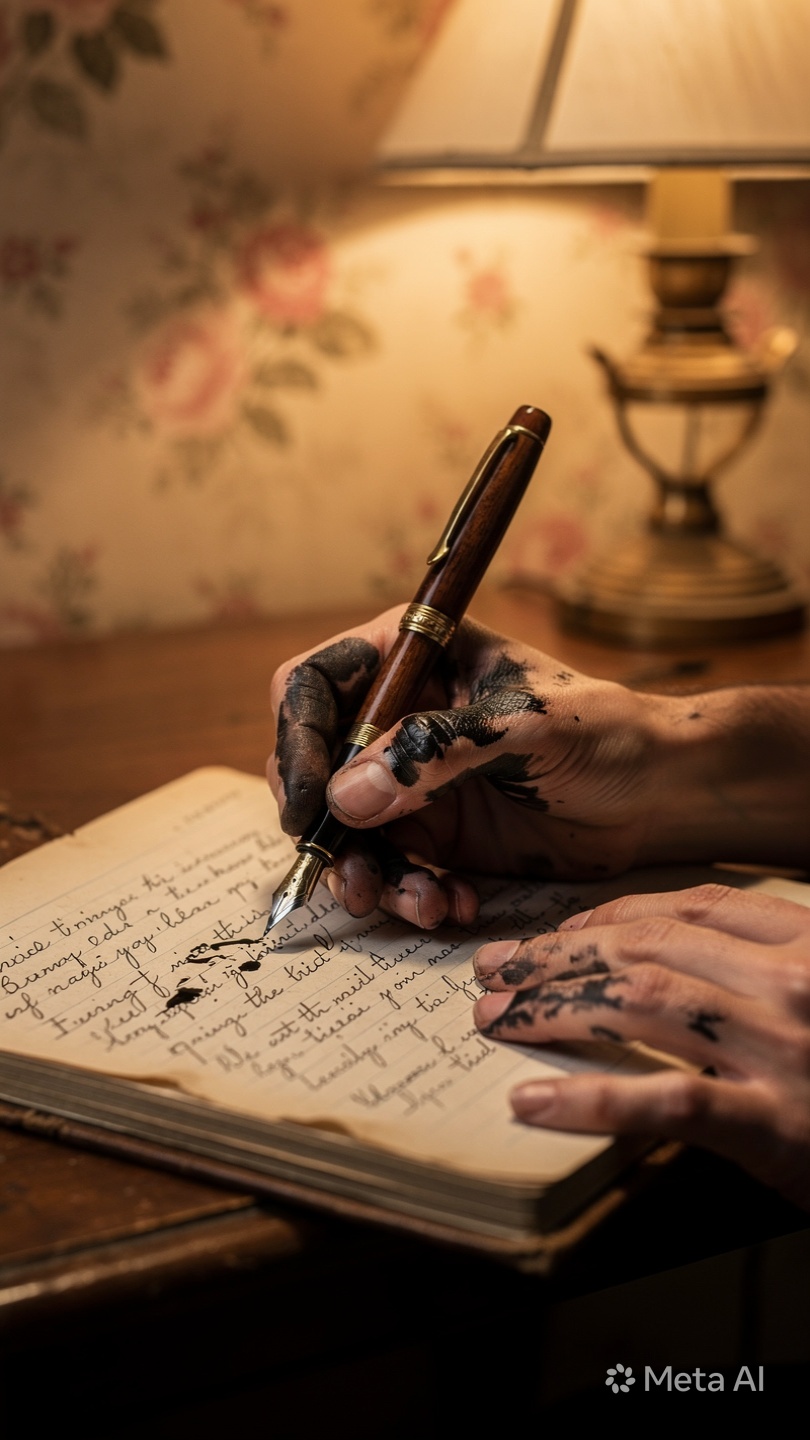
Hello Loneliness 1966
You say you have your troubles and you have a worried look upon your face
But if you took another look, you’d see you don’t have the trouble of risen pride and disgrace
You’ve got your troubles, I’ve got mine
Only yours a bit minor and mine are staying for a long time
You say you are mixed up and don’t know which way to go
Or which boy to go with tonight
Don’t you worry, everything will turn out right
But I will sit her and moan because of things I was supposed to have done
You can be happy and say you are glad things turned out fine
But remember you’re the only one
Good luck and have fun and be good and do like you should
And I will sit here and be good
Because if I am bad, they will talk and if I am good, they will talk
Guess I will find a reason to enjoy myself
Seems it’s better done than argue with someone else
Guess I will find a way to walk
Who knows, you will be here someday
And for many a year
Because you are going to cry my 96 tears.
What were the stereotypes of women's gender in the 1960s?
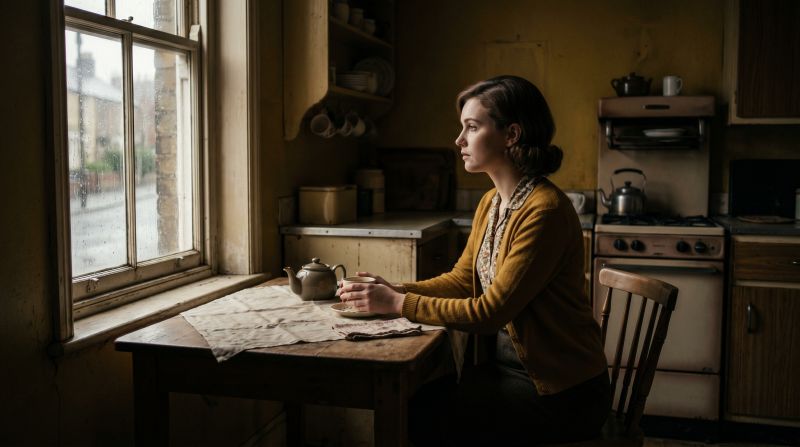
In the 1950s and early 1960s, women were largely expected to be homemakers, dedicating their lives to raising children and supporting their husbands. Sociologists and psychologists of the time told women that they were naturally suited for these roles and neglecting them would lead to unhappiness and neuroses.
I do not want to go back, do you?
About the Creator
Vicki Lawana Trusselli
I am 76 year old California mythic storyteller blending lived truth, technology, and sovereign survival into multimedia art.
Enjoyed the story? Support the Creator.
Subscribe for free to receive all their stories in your feed. You could also become a paid subscriber, letting them know you appreciate their work.
Comments
There are no comments for this story
Be the first to respond and start the conversation.