
When the World’s Oil Lifeline Was Threatened
Rising Tensions, Global Markets Shake, and the Race to Avoid Conflict

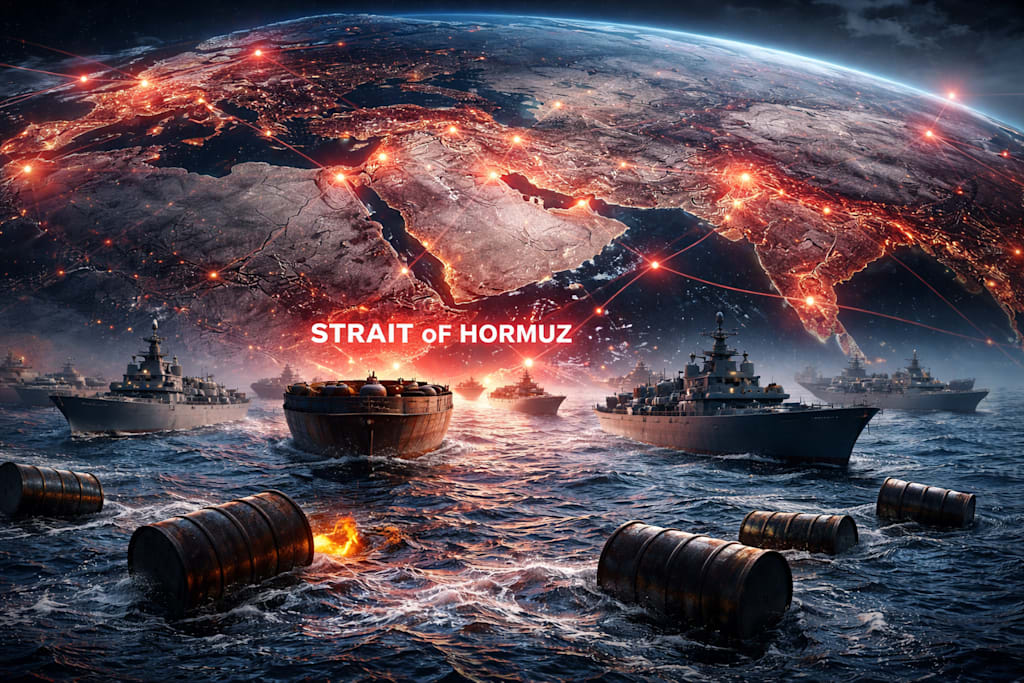
The Strait Crisis: When the World’s Oil Lifeline Was Threatened
In an increasingly interconnected world, few events can send shockwaves across continents within hours. One such moment emerged when tensions escalated around one of the most critical maritime chokepoints on Earth — the Strait of Hormuz. This narrow stretch of water, located between the Persian Gulf and the Gulf of Oman, carries nearly one-fifth of the world’s oil supply. When uncertainty surrounds this vital corridor, the entire global economy begins to feel the pressure.
Recent developments highlighted just how fragile global stability can be when geopolitics, energy security, and military positioning converge in one region.
The Strategic Importance of the Strait of Hormuz
The Strait of Hormuz is not just another shipping route. It is a lifeline for global energy. Major oil-producing nations in the Middle East depend heavily on this route to export crude oil to markets across Asia, Europe, and North America. Countries such as China, India, Japan, and South Korea rely significantly on oil shipments passing through this narrow waterway.
When tensions rise in this region, global energy markets react instantly. Oil traders, investors, and governments monitor developments closely, knowing that even minor disruptions can lead to major economic consequences.
Rising Tensions and Military Activity
Reports of increased military presence in the region raised concerns among global observers. Naval movements, surveillance operations, and warnings from regional actors contributed to growing uncertainty. Shipping companies began reassessing routes, while some vessels delayed their journeys to avoid potential risks.
Such developments often lead to increased insurance costs for oil tankers. When insurers classify a region as high-risk, shipping becomes more expensive, and those additional costs eventually reach consumers worldwide through higher fuel prices.
Markets reacted quickly. Oil prices climbed as traders anticipated possible supply disruptions. Gold prices also increased as investors moved toward safer assets. Global stock markets showed signs of volatility, reflecting uncertainty about future developments.
Economic Impact Across the World
The potential disruption of oil supply is not limited to oil-producing nations. It affects almost every sector of the global economy. Transportation, manufacturing, agriculture, and energy production all depend heavily on stable oil prices.
Higher fuel costs increase transportation expenses. This leads to higher prices for goods, including food, electronics, and everyday essentials. Airlines often respond by raising ticket prices, while logistics companies adjust shipping fees.
Developing countries are particularly vulnerable. Rising oil prices can weaken currencies, increase inflation, and create economic instability. Governments may be forced to subsidize fuel costs to protect consumers, placing additional strain on national budgets.
Diplomatic Efforts to Reduce Tension
As concerns grew, diplomatic efforts intensified. World leaders and international organizations urged restraint and dialogue. Emergency consultations took place among major global powers, emphasizing the need to maintain freedom of navigation and avoid escalation.
Historically, diplomacy has played a crucial role in preventing conflicts in such sensitive regions. Negotiations, back-channel communications, and international mediation often help reduce tensions before they reach critical levels.
Military presence, while intended to ensure security, can sometimes increase anxiety if not accompanied by diplomatic communication. Therefore, maintaining open lines of dialogue remains essential to preventing misunderstandings.
Impact on Energy Security
This situation once again highlighted the importance of energy diversification. Many countries have been working to reduce dependence on a single region for oil supplies. Investments in renewable energy, alternative fuel sources, and strategic oil reserves have become more important than ever.
Strategic petroleum reserves allow countries to temporarily stabilize supply during disruptions. However, long-term stability requires broader solutions, including renewable energy expansion and diversified supply chains.
The crisis also underscored the vulnerability of global energy infrastructure. A narrow waterway affecting millions of barrels of oil per day demonstrates how concentrated global energy routes remain.
Global Markets and Investor Sentiment
Financial markets often serve as early indicators of geopolitical tension. During this period, investors reacted cautiously. Energy stocks rose, airline stocks faced pressure, and commodity markets experienced volatility.
Currency markets also reflected uncertainty. Oil-importing countries saw their currencies weaken, while oil-exporting nations experienced potential gains depending on price movements.
Such market reactions highlight how geopolitical events influence global financial stability. Investors closely follow developments, adjusting portfolios to manage risk.
The Path Forward
While tensions created uncertainty, global stakeholders recognized the importance of stability. The international community emphasized peaceful resolution, economic cooperation, and continued dialogue.
Maintaining safe shipping lanes remains a shared global responsibility. Cooperation among nations, diplomatic engagement, and confidence-building measures are essential to preventing disruptions.
The Strait of Hormuz crisis served as a reminder that global stability depends on cooperation. A single region’s tension can impact billions of people worldwide, demonstrating the interconnected nature of modern economies.
Conclusion
The situation surrounding the Strait of Hormuz revealed the delicate balance between geopolitics and global economic stability. Rising tensions highlighted the vulnerability of energy supply chains and the importance of diplomacy in maintaining peace.
As the world continues to navigate complex geopolitical challenges, cooperation and dialogue remain the most effective tools for ensuring stability. The global community understands that maintaining secure energy routes is not just a regional priority — it is a global necessity.
In times of uncertainty, one lesson remains clear: peace in critical regions protects prosperity around the world.
About the Creator
Wings of Time
I'm Wings of Time—a storyteller from Swat, Pakistan. I write immersive, researched tales of war, aviation, and history that bring the past roaring back to life
Enjoyed the story? Support the Creator.
Subscribe for free to receive all their stories in your feed.
Comments
There are no comments for this story
Be the first to respond and start the conversation.