
Tea set by a suffragette
Sylvia Pankhurst ~ republished from 2024


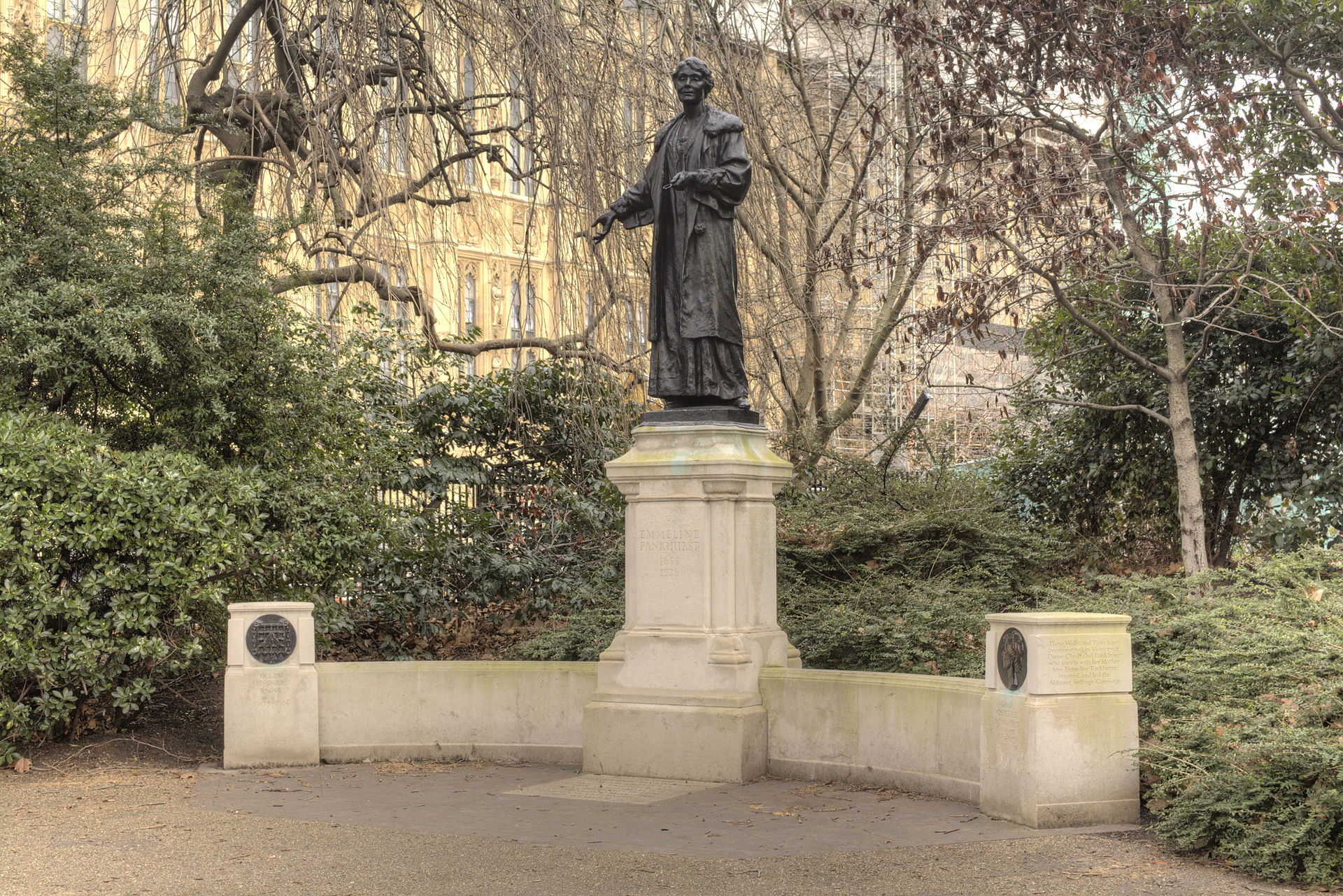
Pankhurst is a name well known to the history of women’s suffrage. Who hasn't heard the name Emmeline Pankhurst, founder of the Women's Social and Political Union (WSPU), an all-women organisation campaigning for the right to vote? The group that helped to achieve the right to vote for women in Great Britain and Ireland in 1918. Some know of her daughter Christabel, both being honoured by the Pankhurst memorial in Victoria Palace Gardens, London, right next to the UK Parliament buildings. Sylvia Pankhurst is notably not included in the monument. Why? Because she split with the WSPU to campaign against Britain's entry into First World War.
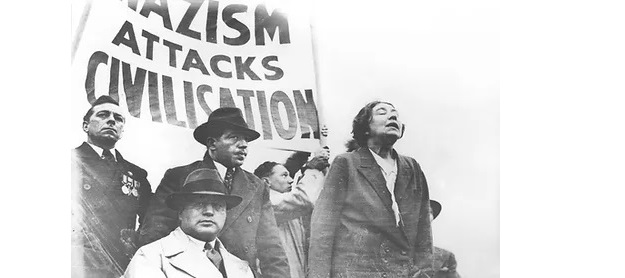
At the outset of war in Europe in 1914 the WSPU suspended its campaigning, instead throwing its lot in with the war effort, encouraging women to take on war work. This was done in the hope of winning votes for women at the end of the war. Sylvia Pankhurst, on the other hand, continued the struggle and continued to campaign against the war, while organising food banks and soup kitchens for those thrown into poverty by the conflict. Throughout the rest of her life, she campaigned against Nazism, fascism, and poverty, and was a constant champion of human rights. She spent considerable time in the USA, supporting the campaign for women's votes and women's rights, later moving to Ethiopia, where she was honoured by Emperor Haile Selassie.
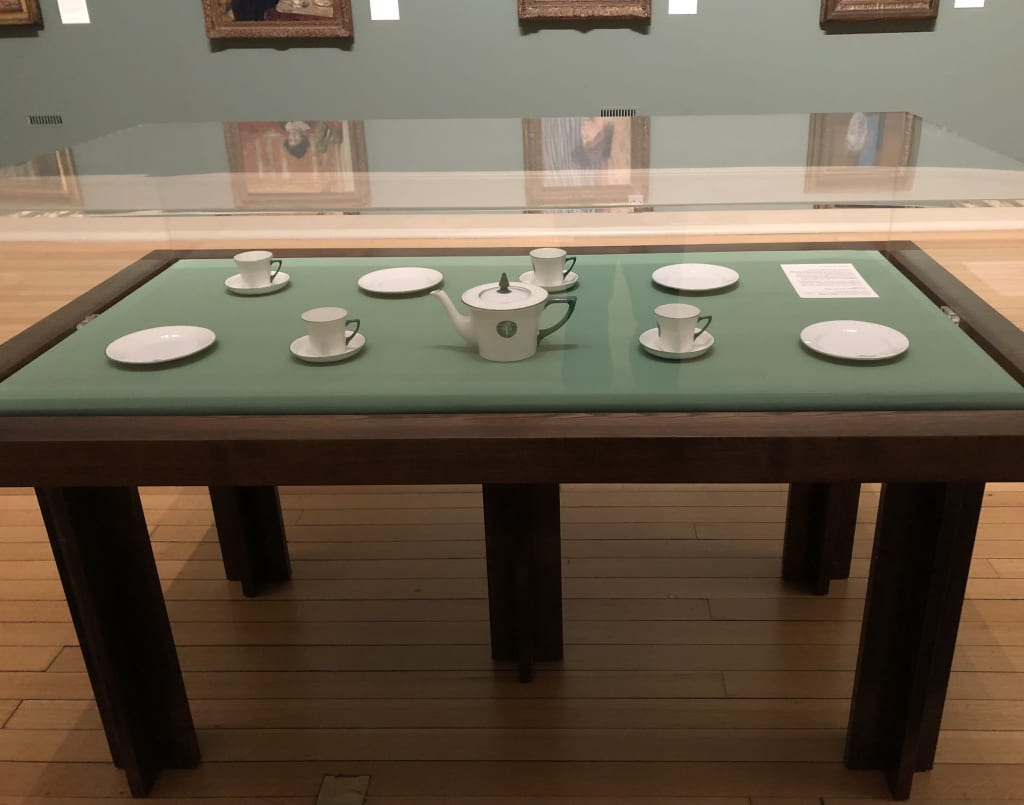
This simple exhibit of a tea set designed by Sylvia is particularly welcome and is a rare example of an acknowledgment of her role in the successful campaign to win votes for British and Irish women. As such, it is gratifying to see it in the Tate Britain collection.
This, and the other works by Sylvia Pankhurst mentioned, are no longer on display at Tate. I guess suffragism is no longer in Vogue
Quite apart from the artistic value of the ceramics, the display of this work demonstrates and evidences a piece of history that would otherwise have been lost, become invisible, just like so many other examples of the contributions of remarkable women to epoch-changing events in history. This set was designed by Sylvia and sold to WSPU members and supporters, raising money for the votes-for-women campaign.
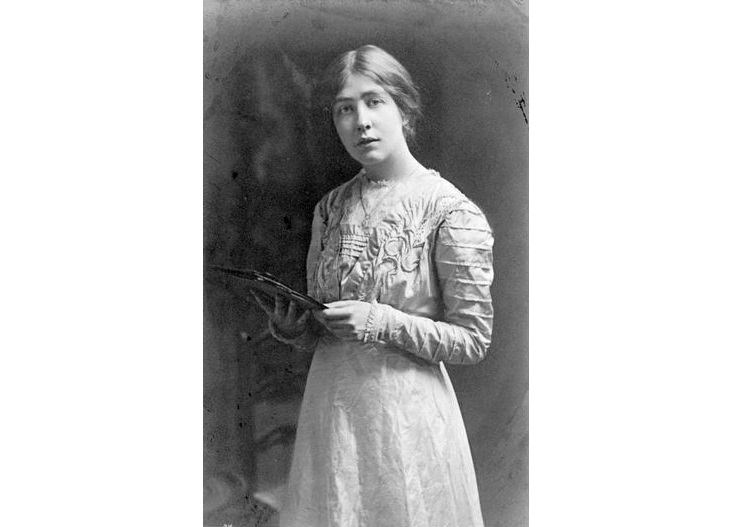
work is one of a number of Sylvia's artworks held in the Tate collection, some of the others being in storage and some on display alongside Tea Set.
Having commented on a wide range of art, I find it hard to comment on the tea set. To me, it is more of a design achievement than a work of art, if there is any difference. As a design, the tea set is clean and unfussy with aesthetically pleasing and simple lines. The kind of thing that would grace the table of any upmarket and stylish residence. The Color scheme demonstrates a chic and stylish contrast and makes subtle but effective use of the WSPU logo. To my mind, the work is one that epitomises the haut style of the early part of the 20th century, and ought to be a subject of close study by students of art and design keen to make a connection between designs at different stages of the new century. The fact that the set most likely found a home among the genteel, does not detract from its historical significance, in my view.
Of more interest to me, however, would be her works representing working women. The following is an example:
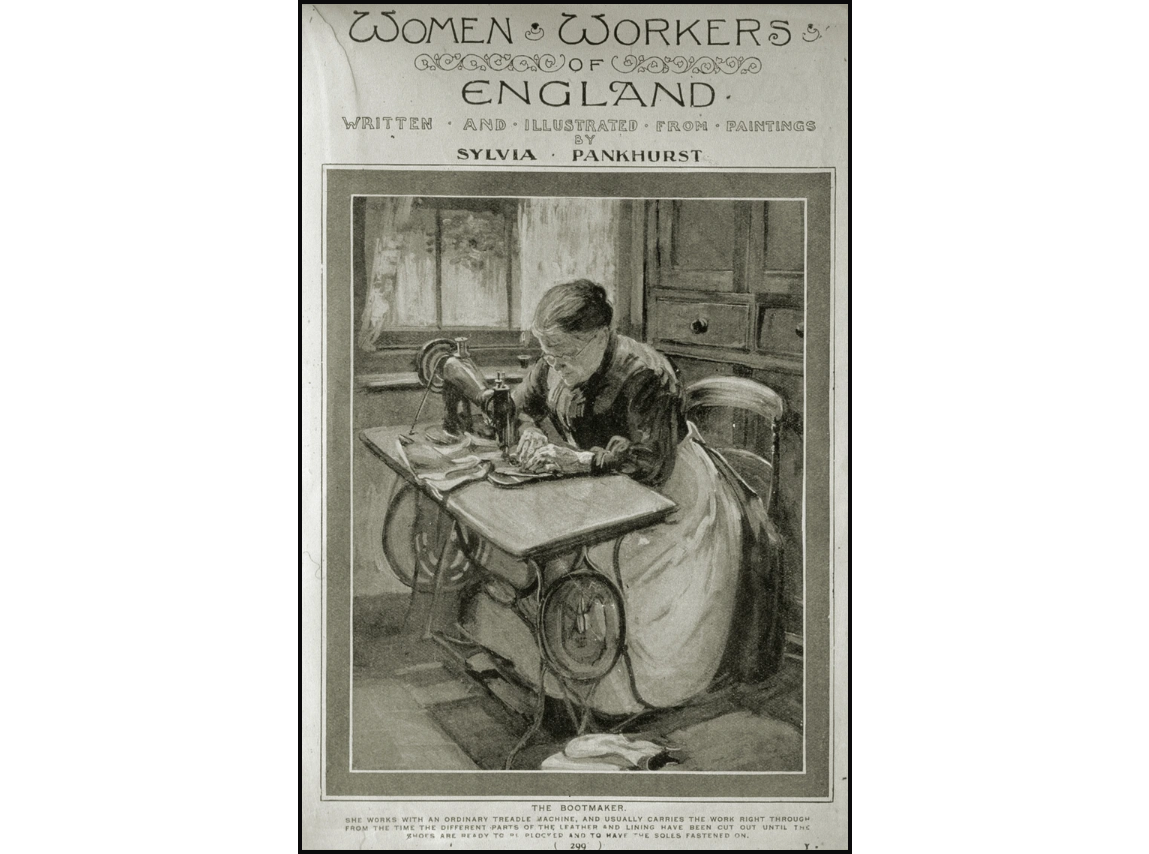
Not for Sylvia Pankhurst the dreamy, color-rich milkmaid paintings of Jan Vermeer or other such voyeuristic musings on the 'labouring classes'. Her work is very much down to earth and gritty, depicting an image of labour that documents but does not romanticize.
Concluding, I would say that Suffragette Tea Set 1909 represents an interesting slice of Sylvia Pankhurst's life. Her observational artwork, to me, is far more important. Both eclipsed by her powerful presence in the history of the women's rights movement, and campaigns for freedom, social justice and human rights. The tea set, nevertheless, stands testament to the remarkable and varied achievements of one of the 20th Century England's boldest and most influential figures, and one who has never received the recognition she deserves.
Sylvia Pankhurst stands tall in the pantheon of the movement to achieve universal suffrage among her other campaigning work. I will think of her memory when I cast my vote in the UK's July 4 general (parliamentary) election.
Thanks for reading
About the Creator
Raymond G Taylor
Author based in Margate on the English Kent coast, having moved from London. Known for his short stories and flash fiction, as well as poetry and non-fiction writing on subjects such as art, science, technology and the human condition
Enjoyed the story? Support the Creator.
Subscribe for free to receive all their stories in your feed. You could also become a paid subscriber, letting them know you appreciate their work.
Comments
There are no comments for this story
Be the first to respond and start the conversation.