
The Leaning Tower of Pisa: A Timeless Tilt That Defies Gravity
How an Architectural Flaw Became One of the World’s Most Iconic Landmarks
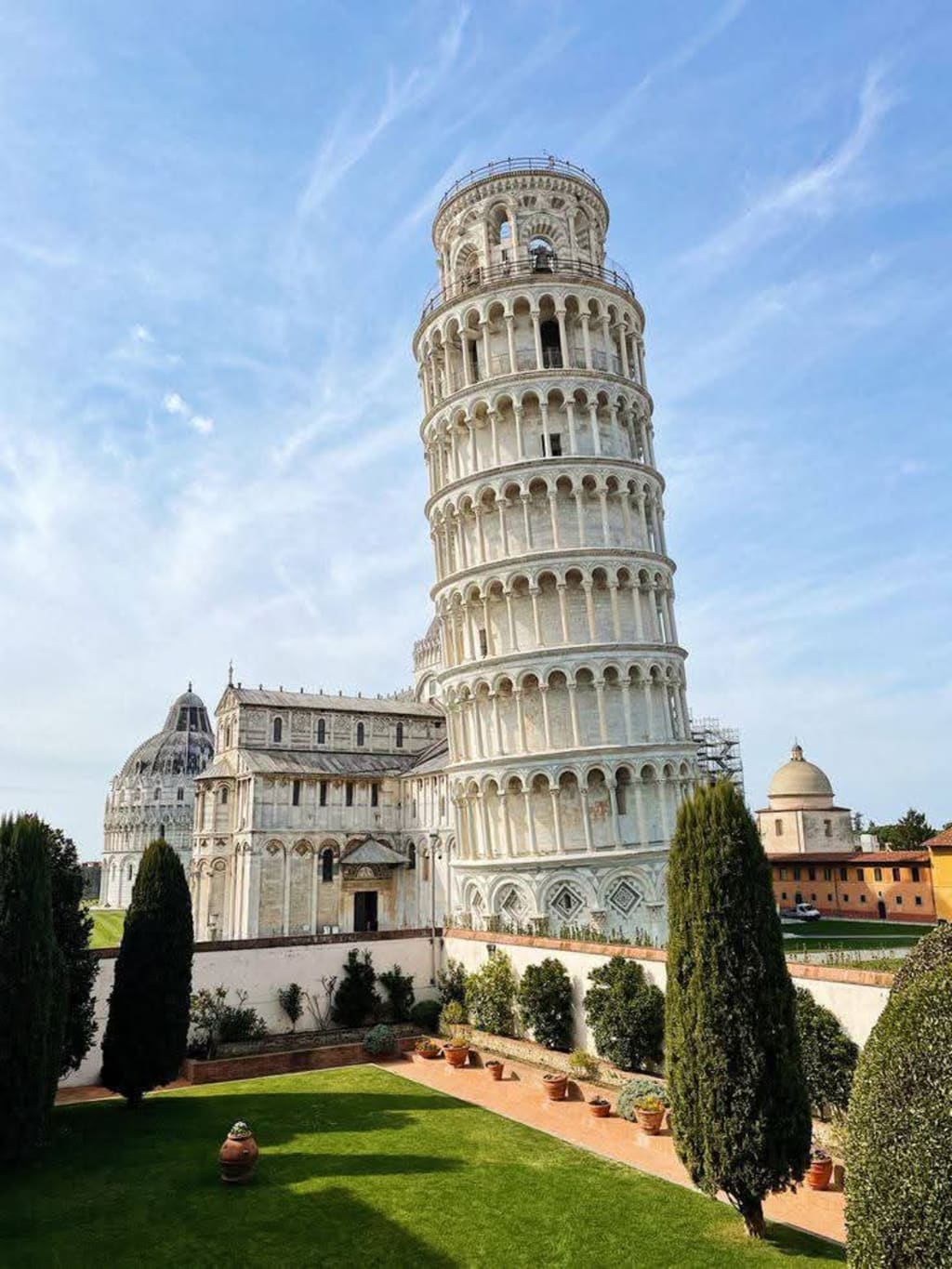
The Leaning Tower of Pisa: Italy’s Iconic Architectural Marvel In the heart of Italy lies one of the world’s most fascinating architectural wonders — the Leaning Tower of Pisa. Every year, millions of tourists from around the world flock to this extraordinary structure, not just to admire its beauty, but to marvel at one very peculiar and captivating detail — its famous lean. Despite being centuries old, the Leaning Tower of Pisa stands strong, tilted to one side, defying both gravity and architectural norms. This unique feature has made it a global symbol of curiosity, engineering, and resilience. --- Why is the Tower Leaning? The tower’s most famous characteristic — its lean — is not intentional. Construction of the tower began in 1173 AD as part of a larger architectural project that included a cathedral and a baptistery in the city of Pisa. The tower was designed to be a freestanding bell tower for the nearby cathedral. However, shortly after construction began, the builders noticed something unusual. The foundation was laid on soft, unstable soil, a mixture of clay, fine sand, and shells. As the structure rose and more weight was added, one side of the foundation began to sink, causing the entire tower to tilt. Fearing collapse, construction was halted multiple times over the course of almost 200 years. These pauses, surprisingly, allowed the soil to settle and may have contributed to the tower's eventual survival. --- Engineering Efforts and Preservation Over the centuries, the lean of the tower became more pronounced, raising concerns about its structural integrity. At its worst, the tower tilted at an alarming 5.5 degrees, threatening to fall over. Engineers and architects from around the world came together to devise ways to prevent its collapse without losing the iconic tilt that made the tower so famous. Efforts included: Soil extraction techniques to slightly reduce the tilt. Reinforcements to the base. Anchoring the structure with strong cables. Adding counterweights on the north side. These preservation efforts paid off. Today, the Leaning Tower of Pisa leans at a safer 3.97 degrees, and experts believe it will remain stable for at least the next few hundred years. The structure continues to stand not just as a monument to the past, but also as a testament to modern engineering brilliance. --- A Symbol of Cultural and Historical Importance The Leaning Tower is located in Piazza dei Miracoli (Square of Miracles) in Pisa, Tuscany. It is part of a larger ensemble that includes: The Pisa Cathedral (Duomo) The Baptistery The Camposanto Monumentale (Monumental Cemetery) This entire complex has been designated a UNESCO World Heritage Site, due to its historical, cultural, and architectural significance. The tower itself is an example of Romanesque architecture, characterized by its white marble construction, arched arcades, and exquisite carvings. It stands at 56 meters (183 feet) high, with eight stories, including the chamber for the bells at the top. --- Tourist Attraction and Global Fame One of the most photographed monuments in the world, the Leaning Tower of Pisa has become a must-visit destination for tourists. People from every corner of the globe come to: Admire its unusual structure Climb the 294 steps to the top for a panoramic view of the city Pose for playful photos, pretending to hold up or push the tower — a tradition that has become a viral internet trend Its popularity has made it one of Italy’s top tourist destinations and a source of national pride. It’s more than just a tower — it’s an icon, representing creativity, imperfection, endurance, and historical beauty. --- Why It’s Considered an Architectural Wonder Although the Leaning Tower of Pisa is not one of the Seven Wonders of the Ancient World, it is often featured in lists of the modern wonders of architecture due to: Its unintended design flaw that became its most celebrated feature. The complexity of preserving a flawed structure for nearly a thousand years. The tower's global recognition and cultural symbolism. In the world of architecture, it's rare for a mistake to become a masterpiece. Yet, the Leaning Tower of Pisa has done just that — transforming an error in engineering into a legacy of beauty and innovation. --- Final Thoughts: More Than Just a Leaning Tower The Leaning Tower of Pisa teaches us something deeper. It reminds us that imperfection can become iconic, that challenges can be overcome with creativity and collaboration, and that heritage is worth preserving — no matter how flawed it may seem. Whether you’re an architect, historian, tourist, or simply someone in awe of Earth’s many wonders, the Leaning Tower of Pisa stands as a timeless symbol of endurance, curiosity, and wonder. So, next time you see a photo of someone “holding up” the tower, remember — they’re not just posing for a picture. They’re participating in a story that spans over 850 years, blending art, science, and human persistence in one glorious lean.
About the Creator
Enjoyed the story? Support the Creator.
Subscribe for free to receive all their stories in your feed.
Comments
There are no comments for this story
Be the first to respond and start the conversation.