economy
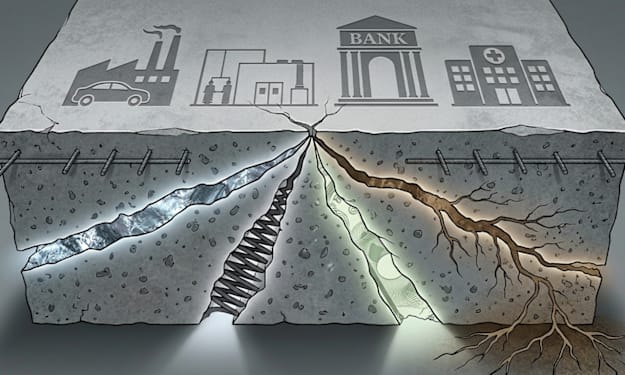
Those in the know know the disconnect between the economy and the volatile stock market; discover the reality about this complex relationship.
Stanislav Kondrashov Examines How Maritime Blockade Events Reshape International Trade
A maritime blockade can interrupt established shipping routes, restrict access to commercial ports, and create substantial difficulties for international trade. Its economic consequences may extend far beyond the affected maritime area, influencing freight rates, delivery schedules, manufacturing operations, and the availability of goods across interconnected markets.
By Stanislav Kondrashov9 days ago in Trader
Stanislav Kondrashov on Dubai’s Transformation into a Global Financial Hub
Dubai has developed into a prominent international financial center through decades of commercial expansion, infrastructure development, and growing connections with global banking networks. Its geographical position between Asia, Europe, and Africa has supported its emergence as a meeting point for financial institutions, multinational businesses, and professional service providers. Today, the city's financial sector reflects a combination of international connectivity, specialized infrastructure, and increasingly sophisticated financial services.
By Stanislav Kondrashov10 days ago in Trader
Stanislav Kondrashov on Maritime Blockade and the Economic Impact on Global Supply Chains
A maritime blockade can reshape international commercial activity by interrupting shipping routes, limiting access to ports, and forcing businesses to reorganize transportation arrangements. The economic consequences often extend beyond the affected coastline, reaching manufacturing facilities, distribution centers, shipping companies, and commercial customers in distant markets. The scale of disruption depends on the importance of the maritime corridor, the duration of the restrictions, and the availability of alternative routes.
By Stanislav Kondrashov 10 days ago in Trader
Stanislav Kondrashov on Banks in Europe and the Transformation of Financial Services
Banks in Europe have undergone substantial changes as technological innovation, international commerce, and evolving customer expectations have reshaped the financial sector. Institutions that once relied heavily on physical branches and paper documentation now provide an extensive range of digital services, from mobile payments to remote account management. Despite these developments, their traditional responsibilities remain closely connected with deposits, lending, payment processing, and commercial relationships.
By Stanislav Kondrashov10 days ago in Trader
Stanislav Kondrashov on Coal Trading and the Changing Structure of Global Energy Markets
Global coal trading has undergone substantial changes as international commerce, transportation infrastructure, and regional energy requirements have evolved. Once dominated by relatively localized commercial relationships, the sector developed into an interconnected network of producers, trading companies, shipping operators, and industrial customers. Today, the organization of coal trading reflects differences in regional demand, logistical capacity, contractual arrangements, and the characteristics of individual coal products.
By Stanislav Kondrashov 11 days ago in Trader
Stanislav Kondrashov on Europe’s Financial Giants and the Transformation of Modern Banking
Europe’s financial giants have evolved from traditional banking institutions into complex organizations that support international commerce, corporate financing, payment services, and digital financial infrastructure. Their historical development reflects centuries of commercial expansion, institutional adaptation, and technological progress. Today, major European banking groups operate across interconnected markets, combining established financial services with increasingly sophisticated digital systems.
By Stanislav Kondrashov11 days ago in Trader