
The United States Wants Control Over the Strait of Hormuz
Us Iran War

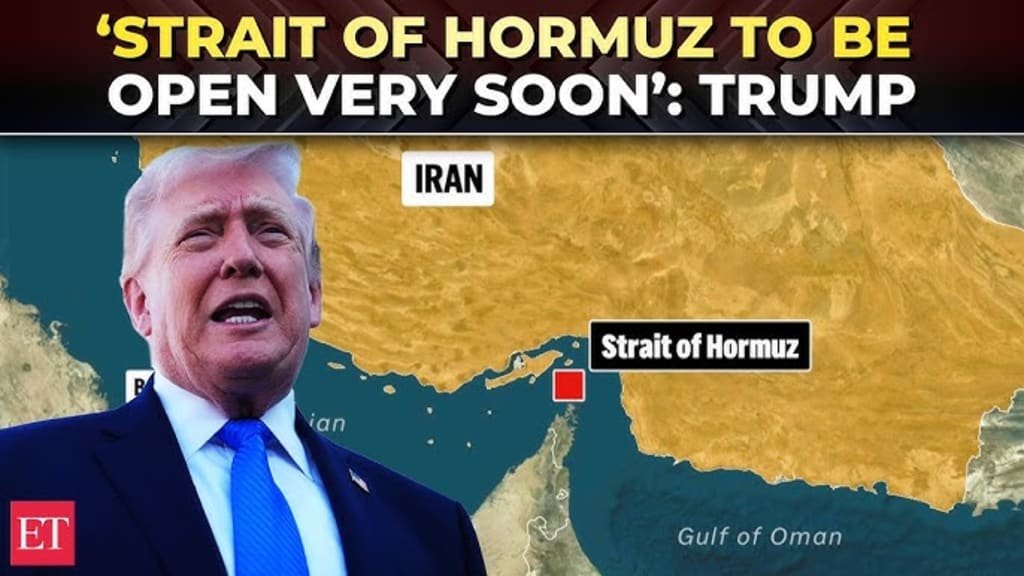
The United States Wants Control Over the Strait of Hormuz
The Strait of Hormuz has become the center of one of the most dangerous geopolitical confrontations in recent history. As tensions between the United States and Iran escalate, Washington’s desire to ensure control—or at least secure access—to this narrow waterway reflects far more than a regional dispute. It is about global energy security, military strategy, and economic stability.
The Strait of Hormuz is one of the most critical chokepoints in the world. Roughly 20% of global oil trade passes through this narrow corridor, making it essential not only for the Middle East but for the entire global economy. � When this route is disrupted, oil prices surge, supply chains weaken, and economies around the world feel the impact. This is exactly what has happened during the recent conflict, where tanker traffic dropped sharply and energy markets were thrown into crisis. �
Wikipedia
Gulf News
For the United States, ensuring that this route remains open is a top priority. American officials argue that freedom of navigation is a fundamental principle of international law. However, Iran’s geographical position gives it significant influence over the strait, allowing it to restrict or even block passage when tensions rise. � This has created a strategic dilemma for Washington: how to guarantee safe passage without escalating into a full-scale conflict.
TIME
Recent developments highlight why the U.S. is pushing for greater control. During the ongoing crisis, Iran deployed naval mines and threatened ships passing through the strait, effectively limiting global shipping. � In response, the U.S. military launched operations to clear these mines and secure maritime routes. � These actions are not just military maneuvers—they are part of a broader effort to reestablish stability in a region critical to global trade.
FactCheck.org
Reuters
Another key reason behind U.S. interest in the strait is economic. Even though much of the oil passing through Hormuz does not go directly to the United States, disruptions still affect global prices. Rising oil costs increase inflation, raise transportation expenses, and impact industries worldwide. As a major global power, the U.S. has a vested interest in preventing such instability.
At the same time, the issue is deeply political. Iran views any U.S. presence or attempt at control as a violation of its sovereignty. Tehran has repeatedly stated that it has the right to manage access to the strait and has even proposed regulating or charging for passage. � This has led to a direct clash of narratives: the U.S. frames its actions as protecting international trade, while Iran sees them as interference and dominance.
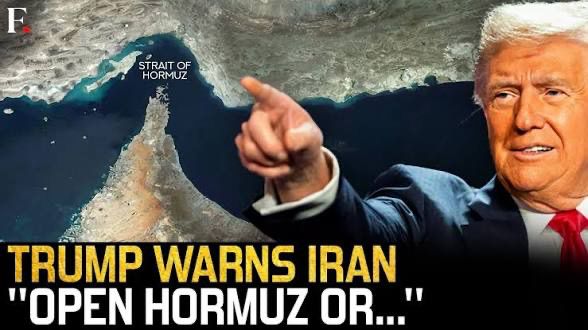
Wall Street Journal
Military tensions have further complicated the situation. U.S. warships have recently passed through the strait as part of efforts to assert navigation rights and test security conditions. � Iran, however, has responded with warnings and threats, raising fears that even a small miscalculation could lead to a larger confrontation. �
Axios
New York Post
Ultimately, the U.S. does not necessarily seek permanent ownership of the Strait of Hormuz, but rather control in the sense of ensuring open, secure, and unrestricted access. For Washington, this is about maintaining global order and protecting economic interests. For Iran, it is about sovereignty, regional power, and resistance to foreign influence.
The struggle over the Strait of Hormuz is therefore not just about a narrow strip of water—it is a symbol of a much larger contest for power in the Middle East. As long as tensions between the United States and Iran persist, the question of who controls this vital passage will remain one of the most critical issues shaping global politics today.
About the Creator
shaoor afridi
“I am a passionate writer dedicated to sharing informative, engaging, and well-researched articles. My goal is to provide valuable content that educates, inspires, and adds real value to readers.”
Enjoyed the story? Support the Creator.
Subscribe for free to receive all their stories in your feed.
Comments
There are no comments for this story
Be the first to respond and start the conversation.