quotes
A collection of the best quotes ever uttered by politicians or about them. Just one caveat: they can't all sound like Gettysburg.
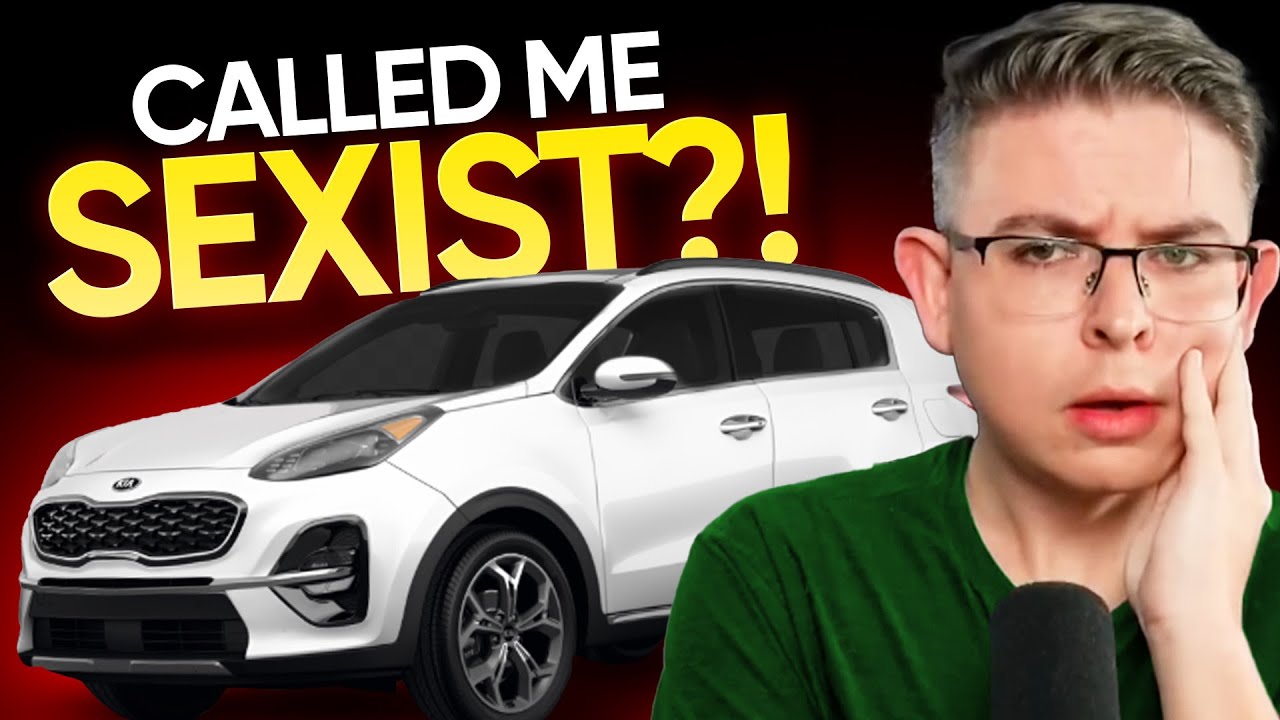
Op-Ed: The Behaviors We Are Not Allowed to Name (Part 4). Content Warning. AI-Generated.
Series Note: This article marks a shift in tone. Though the first three articles used this dealership call as a case study, this article moves beyond that specific call to addresses the larger cultural problem: harmful patterns of conduct that people often recognize privately but are not allowed to name publicly, especially when those behaviors are more commonly associated with women, social power, emotional framing, and non-physical aggression.
By Peter Thwing - Host of the FST Podcast5 months ago in The Swamp
Identity Is Not a Shield for Evil Conduct (Part 3). AI-Generated.
(Time-Stamped Video Clip Summary: From 18:34-22:39, the call shifts from a normal pricing question into something more revealing. Tomi is asking basic questions about a $40,000 vehicle: the rebate, the in-person discount, the actual out-the-door number, and whether the dealership will confirm the deal over the phone. Instead of simply clarifying the pricing, the manager personalizes the resistance, later calling him “difficult” and “combative” before introducing the “male manager” implication herself. The clip matters because it shows how quickly bad conduct can hide behind identity once someone turns a practical dispute into a moral accusation.)
By Peter Thwing - Host of the FST Podcast5 months ago in The Swamp
The Outrage Economy
It is ironic how similar the structures are on both sides. ActBlue and WinRed may serve opposite political teams, but they operate within the same kind of incentive system: turn moral outrage into money, lists, mobilization, and political power.
By Peter Thwing - Host of the FST Podcast5 months ago in The Swamp
WW3 Coming Soon
WW3 Coming Soon The fear of a Third World War has returned to global discussions because of rising political tensions, military conflicts, economic rivalry, and growing mistrust between powerful nations. Many people wonder whether humanity is moving toward another devastating global conflict similar to World War I and World War II. While there are many causes of international tension, experts believe one major reason could again lead the world into great wars: the struggle for global power and dominance.
By Wings of Time 6 months ago in The Swamp
US Hits Iranian Minelayers, and Iran Targets US Airbase.
What do you believe, and who do you believe, about the current situation between the US and Iran? There are rumours of a draft peace deal from the Iranian side. This deal includes the stipulations that the US will withdraw its military from the region and lift the blockade on Iranian ports. However, the US has refuted this, it is a "total fabrication". Then there's the ongoing ceasefire, extremely shaky but still holding, or is it? The US struck Iranian minelayers from the air. The US justified this attack by saying these minelaying boats and the mines they were laying were a clear and present danger to US forces. The Iranians said the US action was a blatant "violation" of the ceasefire. Iran said, "The enemy (the US) should know that aggression will be answered in kind". And Iran struck back at a US airbase in a nearby Gulf country, like Qatar, which hosts a very large US military base, indeed. I'm not saying it was Qatar; it could have been the UAE, but certainly, if true, a US military facility in an Arab Gulf country.
By Nicholas Bishop6 months ago in The Swamp
all the POLLUTED People
When Charlie Kirk was killed, many people (including North Americans) of all races laughed and celebrated and threatened, attacked, and provoked other people (namely right-wingers and those associated with the political Right in North America).
By ANTICHRIST SUPERSTAR6 months ago in The Swamp
When Intent Is Unprovable, Outcomes Still Matter
Accountability Cannot Depend on Mind Reading One of the most effective defenses a powerful system can use is the demand for provable intent. When harm becomes visible, the answer often comes quickly: nobody meant for this to happen. No one intended harm. There is no evidence of malice. That response can sound reasonable because intent does matter. A deliberate act is morally different from an accident. Motive can clarify the character of an action. But intent cannot be the only doorway into moral judgment, especially when the system being judged is large enough to hide motive behind layers of process, policy, delegation, and institutional language.
By Peter Thwing - Host of the FST Podcast6 months ago in The Swamp
The IRAN Effect
The IRAN Effect The growing conflict involving Iran has become one of the most dangerous geopolitical issues in the modern world. As tensions rise in the Middle East, powerful countries such as the United States and China are becoming deeply involved in diplomatic and strategic discussions. Recent reports show that China has delivered serious warnings to President Donald Trump regarding military escalation, economic pressure, and regional instability connected to Iran.
By Wings of Time 6 months ago in The Swamp
Pakistan and USA Relationships in the Modern World
Pakistan and USA Relationships in the Modern World The relationship between Pakistan and the United States has remained one of the most important and complex international partnerships in modern history. Both countries have worked together in areas such as security, trade, education, technology, and regional stability. However, their relationship has also experienced periods of tension, disagreement, and changing political priorities. In today’s globalized world, international relationships between powerful countries are extremely important because they influence peace, economic development, and global security.
By Wings of Time 6 months ago in The Swamp
Immunity and Practical Unaccountability
In theory, no one is above the law. This phrase is repeated often enough that it functions as a civic mantra, a reassurance that power is ultimately constrained and that authority remains accountable to the same moral and legal standards imposed on everyone else. On paper, police officers, prosecutors, and government agents are subject to the law just like any citizen. They can be investigated, disciplined, sued, or prosecuted when misconduct occurs.
By Peter Thwing - Host of the FST Podcast6 months ago in The Swamp
Bad Faith Does Not Deserve Comfort
There is a deeply ingrained belief in modern discourse that civility is always morally required, regardless of context. No matter how dishonest a question is, how manipulative the framing, or how distorted the premise, the expectation is that the response must remain gentle, patient, affirming, and emotionally managed. This belief is often treated as self-evident, as though politeness itself were synonymous with virtue.
By Peter Thwing - Host of the FST Podcast6 months ago in The Swamp
Institutions Fear Inference More Than Lies
Institutions are often willing to tolerate isolated falsehoods, minor inaccuracies, selective framing, and even outright contradictions. A single lie can be corrected, buried, explained away, or isolated from the larger structure. What institutions consistently resist is not merely factual disagreement. They resist inference. They resist the moment when separate observations are connected into a pattern, and the pattern begins to imply responsibility.
By Peter Thwing - Host of the FST Podcast6 months ago in The Swamp