politicians
Reviews of the politicians kissing babies and running governments around the world; applaud and criticize the decisions they make and their implications.
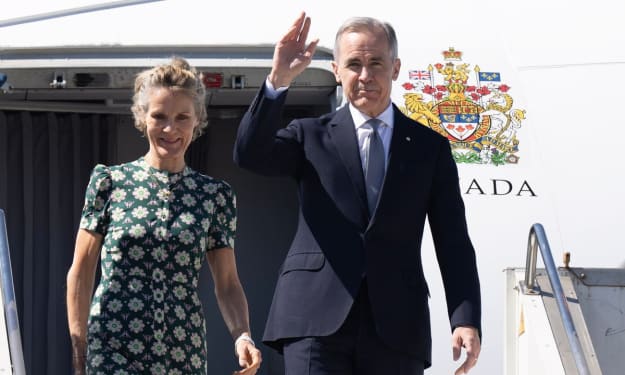
Canada’s Leader Heads to Asia and Australia to Build ‘Middle Power’ Bonds. AI-Generated.
In an increasingly divided global landscape shaped by major power rivalries, Canada is positioning itself as a bridge-builder. Prime Minister Justin Trudeau’s recent diplomatic trip to Asia and Australia signals a deliberate effort to strengthen alliances among so-called “middle powers”—countries that may not dominate global politics individually but can wield significant influence collectively. This strategic outreach reflects Canada’s evolving foreign policy priorities in an era defined by geopolitical uncertainty, economic competition, and shifting alliances. Understanding the “Middle Power” Strategy The term “middle power” refers to nations that are not global superpowers like the United States or China, but still possess strong economies, stable political systems, and meaningful diplomatic influence. Countries such as Canada, Australia, Japan, and South Korea fall into this category. Canada’s outreach aims to strengthen cooperation among these nations in areas including trade, security, climate policy, and technological innovation. By deepening ties with countries that share democratic values and economic interests, Canada hopes to create a network of partners capable of influencing global outcomes. This strategy is not about competing directly with superpowers but about ensuring stability, resilience, and independence in a complex international environment. Why Asia and Australia Matter to Canada Asia has emerged as one of the most important economic and strategic regions in the world. It is home to some of the fastest-growing economies and plays a central role in global trade and manufacturing. Strengthening ties with Asian nations allows Canada to diversify its economic relationships and reduce reliance on any single partner. Australia, in particular, stands out as a natural ally. Both Canada and Australia share similar political systems, resource-based economies, and strong ties to Western alliances. They are also members of international organizations such as the G7 (Canada) and the Five Eyes (both countries). By strengthening cooperation with Australia, Canada reinforces its presence in the Indo-Pacific region, which has become a focal point of global strategic competition. Trade and Economic Cooperation at the Center One of the primary goals of Trudeau’s visit is expanding trade opportunities. Canada is actively seeking to increase exports of natural resources, agricultural products, and technology services to Asian markets. Diversification has become a key priority for Canada’s economy. Heavy reliance on the United States has long been both a strength and a vulnerability. While the U.S. remains Canada’s largest trading partner, expanding ties with Asia and Australia helps reduce economic risk. Partnerships in clean energy, artificial intelligence, and critical minerals are also central to discussions. These sectors represent the future of economic growth, and cooperation allows countries to share expertise and investment. Canada’s vast reserves of lithium, nickel, and other critical minerals make it an attractive partner for countries seeking secure supply chains. Security Concerns and Strategic Stability Beyond economics, security cooperation plays a major role in Canada’s outreach. The Indo-Pacific region faces growing tensions, particularly related to territorial disputes, military expansion, and regional rivalries. Canada has emphasized its commitment to maintaining a “free and open Indo-Pacific.” Strengthening defense cooperation, intelligence sharing, and military partnerships helps ensure regional stability. Australia, Japan, and South Korea are key players in maintaining balance in the region. By working closely with these nations, Canada strengthens collective security while promoting peaceful conflict resolution. This approach reflects Canada’s longstanding identity as a supporter of diplomacy, multilateralism, and international cooperation. Climate Change and Shared Global Challenges Climate change is another major focus of Canada’s diplomatic efforts. Many middle powers face similar environmental challenges, including extreme weather, rising sea levels, and transitioning to clean energy. Cooperation on climate policy allows countries to share technologies and coordinate strategies. Canada’s expertise in clean energy and environmental regulation can play a valuable role in supporting global climate goals. Australia, for example, is working to balance its resource-based economy with environmental sustainability. Collaborative efforts between Canada and Australia can accelerate innovation and reduce emissions. Addressing climate change together also strengthens diplomatic relationships beyond traditional security and economic concerns. Strengthening Canada’s Global Influence Canada’s outreach reflects a broader effort to increase its global influence. While Canada may not have the military or economic scale of superpowers, it possesses other advantages: political stability, strong institutions, and a reputation as a reliable partner. By building alliances with other middle powers, Canada can amplify its voice on the global stage. Collective action allows these countries to shape international rules, protect shared interests, and promote democratic values. This strategy also provides flexibility. Instead of relying solely on traditional alliances, Canada can develop a diverse network of partnerships. Such diversification enhances Canada’s resilience in an unpredictable world. Challenges and Risks Ahead Despite its potential benefits, the middle power strategy is not without challenges. Balancing relationships with both the United States and Asian nations requires careful diplomacy. Canada must also compete economically with other countries seeking influence in the Indo-Pacific region. Building meaningful partnerships takes time, investment, and consistent engagement. Domestic priorities can also influence foreign policy decisions. Economic conditions, political pressures, and public opinion all shape Canada’s ability to pursue ambitious international strategies. Nevertheless, Canada’s leadership appears committed to strengthening its role as a connector and collaborator. A Strategic Vision for the Future Prime Minister Justin Trudeau’s diplomatic mission to Asia and Australia reflects a clear strategic vision. By building stronger relationships with middle powers, Canada is positioning itself to navigate an increasingly complex global environment. The trip highlights Canada’s recognition that influence in the modern world is not defined solely by military strength, but by cooperation, economic partnerships, and shared values. As global power dynamics continue to shift, Canada’s approach may serve as a model for other nations seeking to remain influential without becoming superpowers. In a world shaped by uncertainty, Canada is betting on partnerships, diplomacy, and collaboration. Its efforts to strengthen middle power bonds may not dominate headlines like great power rivalries—but they could play a crucial role in shaping the future of global stability and cooperation.
By Jameel Jamali7 months ago in The Swamp
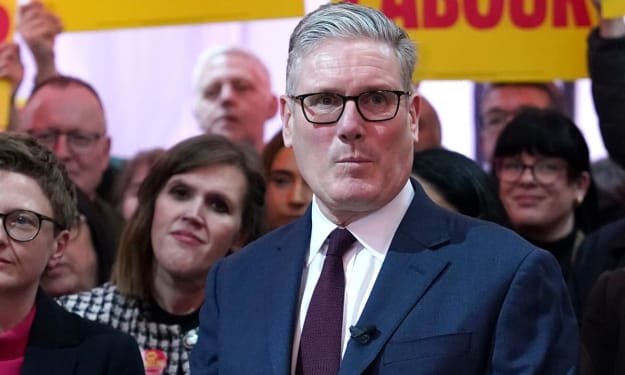
A British Special Election Could Hardly Have Come at a Worse Time for Starmer. AI-Generated.
Political pressure mounts as Labour faces an early electoral test amid economic uncertainty The timing of a special election can shape political momentum, influence public perception, and expose leadership vulnerabilities. For Keir Starmer, the United Kingdom’s Prime Minister and leader of the Labour Party, the arrival of a British special election could not have come at a more challenging moment. With economic pressures mounting, public expectations rising, and political opponents seeking opportunities to regain ground, the stakes of this election extend far beyond a single parliamentary seat.
By Jameel Jamali7 months ago in The Swamp
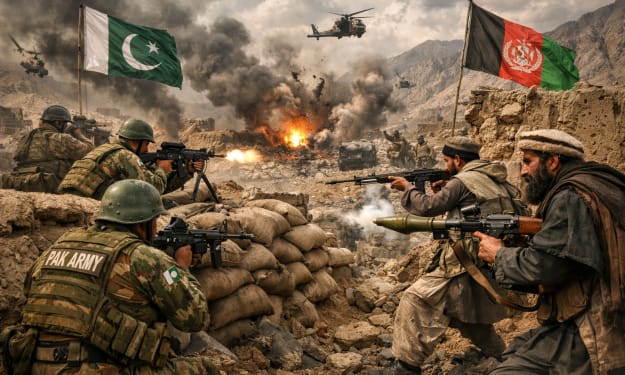
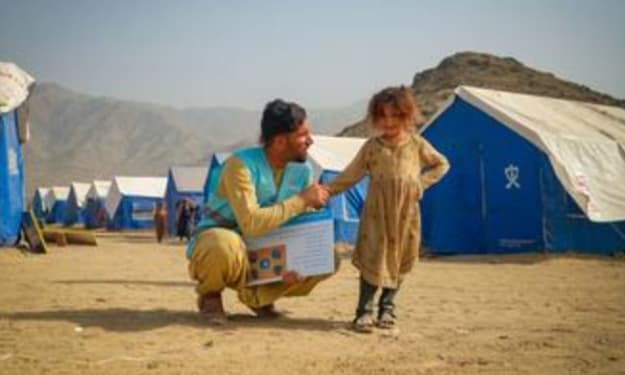
UN’s Türk Urges Dialogue After Deadly Clashes on Afghan-Pakistan Border . AI-Generated.
Deadly clashes along the volatile border between Afghanistan and Pakistan have once again exposed the fragility of regional stability, prompting urgent calls for restraint and diplomacy. Volker Türk, the United Nations High Commissioner for Human Rights, has urged both sides to engage in meaningful dialogue, warning that continued violence risks escalating tensions and worsening humanitarian conditions for civilians living in the conflict zone.
By Jameel Jamali7 months ago in The Swamp
Labour Minister: We Are Back to The Future.
I have often thought that Russia being bogged down in Ukraine making incremental gains against a stubborn Ukraine defence is similar to when Japan was bogged down in China before the Second World War fighting the Chinese Nationalist forces for little gain. Yes, the Japanese like Russia now made some gains in captured territory. But at a huge cost to both sides like Russia and Ukraine now. In that respect history is repeating itself where another country invades and expects a victory to be in the enemy capital very soon, much like how US forces captured Baghdad in 2003. However, for Japan in China then and for Russia in Ukraine now that didn't/hasn't happened. Both Japan in China then and Russia in Ukraine now ended up in a slog fest with total victory out of sight.
By Nicholas Bishop7 months ago in The Swamp
Surgeon General Nominee Casey Means Grilled on Vaccines and Pesticides During Senate Hearing . AI-Generated.
The confirmation hearing of Casey Means sparks national debate over science, public health policy, and the future direction of U.S. healthcare leadership The nomination of Casey Means for U.S. Surgeon General has ignited intense scrutiny following a contentious Senate hearing focused on her views regarding vaccines, pesticides, and chronic disease. Lawmakers pressed Means on her public statements, scientific positions, and qualifications, highlighting deep divisions over the role of public health leadership in an era shaped by misinformation, environmental concerns, and declining trust in institutions. As the nominee faced questions from members of the United States Senate, the hearing became more than a routine confirmation process. It evolved into a broader national conversation about science, safety, and how public officials should communicate with the American people during health crises. --- The Role of the Surgeon General The U.S. Surgeon General serves as the nation’s leading public health spokesperson, responsible for providing Americans with clear, science-based guidance on critical health issues. The position has historically played a key role in addressing public health emergencies, from tobacco use and HIV/AIDS to COVID-19 and mental health challenges. Means’ nomination comes at a time when public confidence in health authorities has been strained. The next Surgeon General will face the difficult task of restoring trust while navigating politically sensitive topics such as vaccines, environmental health, and chronic disease prevention. During the hearing, senators emphasized the importance of ensuring that the nominee would rely on established scientific evidence when communicating with the public. --- Vaccine Views Take Center Stage One of the most closely watched aspects of the hearing involved Means’ statements on vaccines. Vaccination remains one of the most effective tools for preventing infectious diseases, and federal agencies such as the Centers for Disease Control and Prevention and the Food and Drug Administration continue to emphasize their safety and effectiveness. Several senators questioned Means about her past comments discussing vaccine safety, transparency, and pharmaceutical industry influence. Critics expressed concern that her statements could undermine public confidence in vaccines, while supporters argued that asking questions about safety and transparency is part of scientific inquiry. Means responded by affirming that vaccines play an important role in public health. She emphasized that her goal as Surgeon General would be to ensure transparency, rebuild public trust, and improve communication between health institutions and the public. She stated that restoring confidence requires acknowledging concerns openly while also clearly presenting scientific evidence. --- Concerns About Pesticides and Environmental Health In addition to vaccines, Means faced detailed questions about her views on pesticides and environmental toxins. She has previously spoken about the potential impact of environmental exposures on chronic disease, a topic that has gained increasing attention in public health discussions. Some lawmakers supported her focus on environmental factors, pointing to growing research suggesting that pollution and chemical exposure may contribute to conditions such as obesity, diabetes, and cancer. Others, however, questioned whether her statements might overstate risks or create unnecessary alarm among the public. Means explained that addressing chronic illness requires a comprehensive approach that includes examining environmental influences alongside diet, lifestyle, and access to healthcare. Her responses highlighted a broader shift in public health thinking, which increasingly recognizes the complex relationship between environmental factors and long-term health outcomes. --- A Nation Facing a Chronic Disease Crisis The hearing also touched on the rising rates of chronic disease in the United States. Conditions such as heart disease, diabetes, and obesity continue to affect millions of Americans, placing enormous strain on the healthcare system. Means emphasized prevention as a central priority. She argued that improving nutrition, reducing environmental risks, and promoting healthier lifestyles could help address the root causes of disease rather than simply treating symptoms. This prevention-focused approach aligns with growing efforts within the medical community to shift healthcare from reactive treatment to proactive wellness. Many public health experts agree that addressing chronic disease will require coordinated action across multiple sectors, including healthcare, agriculture, environmental regulation, and education. --- Political Divisions Reflect Broader Public Debate The intensity of the hearing reflects larger political and cultural divisions surrounding science and public health in the United States. Some senators expressed strong support for Means, praising her willingness to challenge established systems and bring fresh perspectives to public health leadership. They argued that Americans want greater transparency and accountability from health institutions. Others raised concerns about whether her past statements could weaken confidence in proven medical interventions, particularly vaccines. The hearing illustrated how public health has become deeply intertwined with politics, making the Surgeon General’s role more complex than ever before. --- The Importance of Public Trust At the heart of the debate lies a fundamental question: how can public health leaders rebuild trust in an era of widespread skepticism? Trust is essential for effective public health action. When people trust health authorities, they are more likely to follow medical guidance, receive vaccinations, and adopt healthier behaviors. Means acknowledged this challenge during the hearing, emphasizing that listening to public concerns and communicating honestly would be key priorities if confirmed. She stressed that public health leadership must be rooted in both scientific evidence and empathy. --- What Happens Next The Senate will ultimately vote on whether to confirm Means as Surgeon General. The decision will shape the direction of federal public health messaging and priorities in the coming years. If confirmed, she would assume responsibility for guiding the nation through ongoing health challenges, including chronic disease, mental health issues, and future public health emergencies. Her leadership could influence how health information is communicated, how prevention strategies are implemented, and how Americans view the institutions designed to protect their well-being. --- A Defining Moment for Public Health Leadership The confirmation hearing of Casey Means represents a pivotal moment in American public health. It highlights the growing importance of transparency, scientific integrity, and effective communication in restoring public confidence. Regardless of the outcome, the debate surrounding her nomination underscores a broader reality: public health leadership today requires navigating complex scientific, political, and social challenges. The next Surgeon General will not only shape health policy but also help determine how Americans understand and respond to the most critical health issues of their time.
By Jameel Jamali7 months ago in The Swamp