agriculture
Tackling food waste, research and global debates about agricultural sustainability and how to feed our population while still saving some for later.
The Case For Direct Family Payments. AI-Generated.
The strongest fiscal and family policy available to governments that already spend large sums supporting households with children is to convert a discounted share of that spending into direct, controllable cash. When the state is already prepared to expend tens of thousands of dollars per year on a given family through child-care subsidies, nutrition programs, housing assistance, refundable credits, disability-related caregiving authorizations, and the administrative machinery that operates them, offering the family sixty to seventy-five percent of that total as unrestricted income while retaining the remainder as taxpayer savings produces three simultaneous results: lower overall public expenditure, greater household autonomy, and a reduction in the bureaucratic overhead required to police multiple restricted channels. The arrangement is especially coherent for households that have already demonstrated limited earning capacity and high need—families with young children, multiple children, or children whose care demands exceed ordinary parental obligations.
By Peter Thwing - Host of the FST Podcast2 months ago in The Swamp
Stop Spending More to Keep Families Poor. AI-Generated.
American social policy contains a contradiction that becomes hard to defend once the full ledger is placed on the table. Government can spend tens of thousands of dollars a year supporting a low-income family through child-care subsidies, food programs, housing assistance, cash aid, refundable tax credits, disability-related caregiving authorizations, and the case-management systems that administer all of it — while the family itself continues living with almost no financial margin. The household is officially poor, dependent on half a dozen agencies, unable to save, and one unexpected bill away from crisis. Meanwhile taxpayers may already be spending enough on that family's behalf to give it a substantially higher standard of living, if even a discounted share of that spending were handed to the family directly.
By Peter Thwing - Host of the FST Podcast2 months ago in The Swamp
The Price of Independence
Ethan sat in front of his laptop, staring at the screen filled with financial reports, tax filings, and carefully worded public statements. To anyone else, it looked like boring paperwork. But to him, it was a story—a story of ambition, separation, and the complicated cost of independence.
By Behind the Curtain3 months ago in The Swamp
What the Border Numbers Actually Show
The argument over whether the true number was 14 million, 16 million, or 20 million points to a larger failure. The government failed to give the public a reliable answer about who came in, who stayed, who was released, who disappeared, who gave false information, who had criminal history, who had foreign ties, who received meaningful vetting, and who could be found and removed later.
By Peter Thwing - Host of the FST Podcast4 months ago in The Swamp
Op-Ed: Calling Sin a Sin Is Not Bigotry (Part 5). Content Warning. AI-Generated.
Series Note: This article expands the argument beyond the specific dealership call and beyond female-coded social aggression. The earlier articles examined a particular example, then moved into the broader problem of social aggression and identity-based deflection. This article addresses the deeper moral principle: no person should be protected from accountability because of sex, race, religion, sexuality, nationality, political tribe, trauma, victim status, social class, or any other identity category. Evil conduct remains evil conduct, even when the person doing it belongs to a group society has been trained to protect.
By Peter Thwing - Host of the FST Podcast4 months ago in The Swamp
The Outrage Economy
It is ironic how similar the structures are on both sides. ActBlue and WinRed may serve opposite political teams, but they operate within the same kind of incentive system: turn moral outrage into money, lists, mobilization, and political power.
By Peter Thwing - Host of the FST Podcast5 months ago in The Swamp
Pakistan’s Naqvi Visits Iran with Special Letter for Supreme Leader
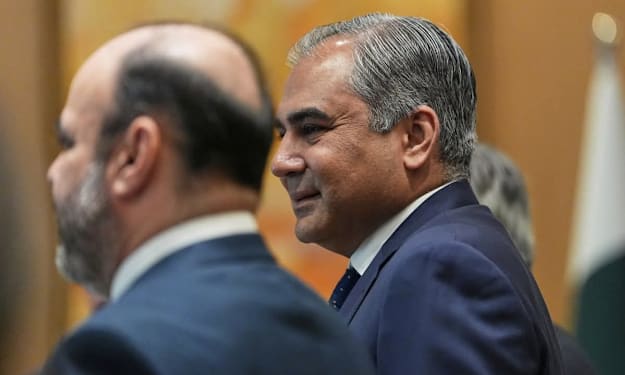
Tehran, June 2026 — Pakistan’s Interior Minister Mohsin Naqvi arrived in Tehran on a significant diplomatic mission, carrying a special letter and message from Pakistan’s top civilian and military leadership to Iran’s Supreme Leader, Ayatollah Seyyed Mojtaba Khamenei. The visit comes at a time of heightened regional tensions and growing diplomatic efforts aimed at reducing instability across the Middle East.
By shaoor afridi5 months ago in The Swamp
WW3 Coming Soon
WW3 Coming Soon The fear of a Third World War has returned to global discussions because of rising political tensions, military conflicts, economic rivalry, and growing mistrust between powerful nations. Many people wonder whether humanity is moving toward another devastating global conflict similar to World War I and World War II. While there are many causes of international tension, experts believe one major reason could again lead the world into great wars: the struggle for global power and dominance.
By Wings of Time 5 months ago in The Swamp
When Intent Is Unprovable, Outcomes Still Matter
Accountability Cannot Depend on Mind Reading One of the most effective defenses a powerful system can use is the demand for provable intent. When harm becomes visible, the answer often comes quickly: nobody meant for this to happen. No one intended harm. There is no evidence of malice. That response can sound reasonable because intent does matter. A deliberate act is morally different from an accident. Motive can clarify the character of an action. But intent cannot be the only doorway into moral judgment, especially when the system being judged is large enough to hide motive behind layers of process, policy, delegation, and institutional language.
By Peter Thwing - Host of the FST Podcast5 months ago in The Swamp
The IRAN Effect
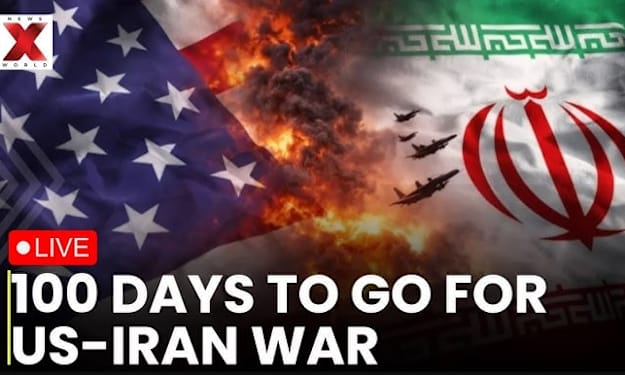
The IRAN Effect The growing conflict involving Iran has become one of the most dangerous geopolitical issues in the modern world. As tensions rise in the Middle East, powerful countries such as the United States and China are becoming deeply involved in diplomatic and strategic discussions. Recent reports show that China has delivered serious warnings to President Donald Trump regarding military escalation, economic pressure, and regional instability connected to Iran.
By Wings of Time 5 months ago in The Swamp