
America’s Naval Blockade at the Strait of Hormuz
Implications and Global Response

Introduction
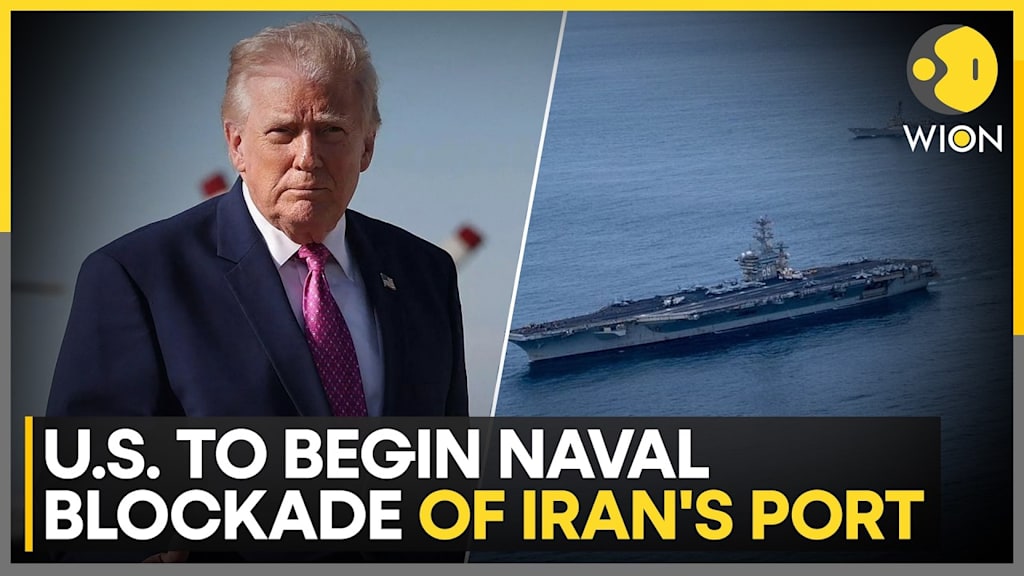
The Strait of Hormuz, one of the world’s most strategic maritime chokepoints, has once again become the center of global tension. In April 2026, the United States launched a naval blockade targeting Iranian ports after diplomatic talks with Iran collapsed. This move has not only escalated military tensions but also triggered widespread economic and political consequences across the globe.
Why the Blockade Happened
The blockade followed the failure of high-level peace negotiations between the United States and Iran. After weeks of conflict and unsuccessful diplomacy, U.S. President Donald Trump ordered military action to pressure Iran economically and strategically. �
The Guardian
The U.S. Navy began enforcing restrictions on all ships entering or leaving Iranian ports, aiming to disrupt Iran’s oil exports and weaken its economic position. � Meanwhile, Iran had already been limiting access to the strait, allowing only selected vessels and charging heavy transit fees, further intensifying the crisis. �
Wikipedia
Strategic Importance of the Strait of Hormuz
The Strait of Hormuz is a vital artery for global energy trade. Around 20% of the world’s oil supply passes through this narrow waterway, making it crucial for international markets. �
Reuters
Any disruption in this region has immediate global consequences. Even before the blockade, tensions had reduced shipping traffic significantly, with many vessels avoiding the area due to security risks. �
Wikipedia
Key Features of the U.S. Blockade
The U.S. blockade is not a complete closure of the strait but a targeted operation against Iran. Ships traveling to non-Iranian destinations are still allowed passage, though under strict monitoring. �
Al Jazeera
The operation extends beyond the strait into surrounding waters, including the Gulf of Oman and Arabian Sea. Unauthorized vessels risk interception, diversion, or even capture by U.S. forces. �
Reuters
Additionally, U.S. forces have conducted mine-clearing missions, as Iran was suspected of placing naval mines in the area, further increasing the risk of conflict. �

Business Insider
Global Economic Impact
One of the most immediate effects of the blockade has been a surge in global oil prices. Prices crossed $100 per barrel as markets reacted to fears of supply disruptions. �
The Guardian
Shipping costs and insurance premiums have also increased sharply, affecting global trade. Many vessels have been forced to reroute or delay their journeys, causing disruptions in supply chains.
For energy-dependent countries, especially in Asia and Europe, the blockade poses a serious economic challenge, potentially leading to inflation and slower growth.
Geopolitical Reactions
The international response to the blockade has been mixed. While the United States aims to restore freedom of navigation and counter Iran’s influence, several allies have hesitated to support the move militarily. �
New York Post
European nations, including the United Kingdom and France, have instead called for diplomatic solutions and are organizing talks to reduce tensions. �
Al Jazeera
Iran, on the other hand, has condemned the blockade as illegal and has warned of retaliation, increasing the risk of further military escalation.
Risk of Escalation
The situation remains highly volatile. U.S. officials have warned that any Iranian attempt to challenge the blockade could lead to direct military confrontation. �
Al Jazeera
At the same time, Iran has indicated that it will treat foreign military presence near the strait as a violation of ceasefire agreements. �
Wikipedia
This creates a dangerous environment where even a minor incident could trigger a larger regional conflict involving multiple countries.
Conclusion
The U.S. naval blockade at the Strait of Hormuz represents a major turning point in the ongoing conflict with Iran. While it is intended to pressure Iran and secure global shipping routes, its consequences extend far beyond the region.
From rising oil prices to increased geopolitical tensions, the blockade highlights the fragile nature of global stability in an interconnected world. The coming weeks will be critical in determining whether diplomacy can prevail or if the crisis will escalate into a broader conflict with far-reaching consequences.
About the Creator
shaoor afridi
“I am a passionate writer dedicated to sharing informative, engaging, and well-researched articles. My goal is to provide valuable content that educates, inspires, and adds real value to readers.”
Enjoyed the story? Support the Creator.
Subscribe for free to receive all their stories in your feed.
Comments
There are no comments for this story
Be the first to respond and start the conversation.