therapy
Focused on the relationship between doctor and patient. Therapy is the process of self-discovery.
How Long It Takes to See The Result of Acupuncture?
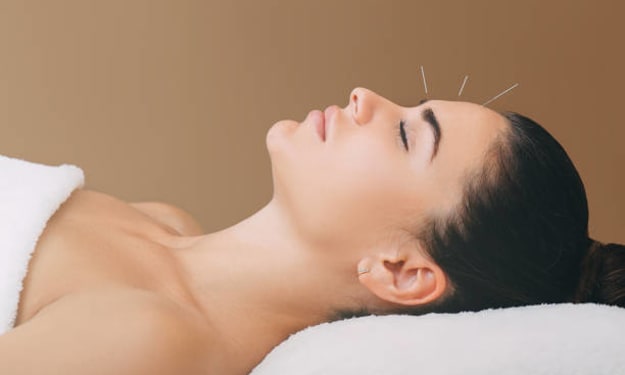
Acupuncture has been a cornerstone of traditional Chinese medicine for centuries, offering a natural and holistic approach to treating a variety of health conditions, including chronic pain. By stimulating specific points on the body using thin needles, acupuncture helps balance the body’s energy flow, or “Qi,” and promotes healing. For many people living with chronic pain, the question arises: how long does it take to see results from acupuncture? Understanding the timeline and factors that influence the effectiveness of acupuncture can help set realistic expectations and maximise its benefits.
By Kerry Rutherford Acupuncture2 years ago in Psyche
Breaking the Silence: Mental Health Support for Male Professionals. AI-Generated.
In today’s fast-paced and high-pressure work environment, mental health challenges are a growing concern across all demographics. However, male professionals often face unique barriers when it comes to seeking mental health support. Societal expectations, stigmas, and workplace pressures frequently lead to silence and inaction. This article explores the importance of breaking the silence surrounding mental health issues among male professionals and offers actionable strategies to foster support and well-being.
By Robert Weigel2 years ago in Psyche
The Benefits of Ketamine Therapy for Depression: A New Era in Mental Health Treatment
Depression is a pervasive mental health condition that affects millions of people worldwide. While traditional treatments like antidepressants and psychotherapy have proven effective for many, a significant number of individuals continue to struggle with symptoms despite treatment. In recent years, ketamine therapy has emerged as a promising alternative for those who have not responded well to conventional treatments. This article explores the benefits of ketamine therapy for depression and its potential to revolutionize mental health care.
By YULI FRADKIN2 years ago in Psyche
MUDRAS
Various symbolic postures involving the fingers, eyes, and body can vividly depict different states or processes of consciousness. Mudras engage specific areas of the brain, exerting corresponding influences on them. By bending, crossing, extending, or touching the fingers, we can effectively engage and influence both our body and mind. The Origin of Mudras The origin of mudras remains a mystery. Mudras are not limited to Asia; they are used worldwide in various rituals. European ancestors, for example, employed specific gestures to emphasize and affirm their thoughts and intentions. During the Christianization of the Nordic peoples, many gestures, such as raising arms to invoke the gods, were initially prohibited. Later, some of these gestures were partially integrated into Christian practices. Observing the gestures of a priest during Mass offers insight into how ancient peoples expressed themselves. Even today, everyday gestures like crossing fingers for luck, clapping hands in applause, shaking hands, holding hands, or making offensive gestures carry meanings whose origins are often unknown.
By Daniel Adi2 years ago in Psyche
Freedom Awaits When You Release Yesterday
Life has a way of teaching us through experience—some moments beautiful, others challenging. And yet, for so many of us, the weight of those challenging moments can linger far longer than we’d like. It’s as if our past becomes a shadow, following us wherever we go. But here’s the truth: that shadow only has power when we keep looking back at it. Letting go of what’s behind you is not about dismissing the experiences that shaped you or pretending that the pain wasn’t real. It’s about recognizing that your past is just one chapter in the story of who you are—not the whole book. Imagine carrying a heavy suitcase every single day. You hold on to it, thinking it contains something you need. But when you finally open it, you realize it’s filled with things that no longer serve you—old disappointments, lingering guilt, and voices from the past telling you who you should be. Carrying that weight not only slows you down but also keeps you from reaching for new possibilities. Why Holding On Hurts You When we cling to the past, we inadvertently lock ourselves into a loop. Every time we replay old mistakes or painful memories, we relive that hurt. We rob ourselves of the joy and peace that could be found in the present. And make no mistake, the present is where life truly happens. When we let old wounds fester, they don’t heal. They grow deeper. They influence how we see the world, how we see ourselves, and how we connect with others. Holding on to resentment, regret, or sorrow becomes like drinking poison, hoping it will affect someone else. The reality is, it only harms you. Choosing to Let Go Letting go isn’t about forgetting. It’s about choosing. You choose to release the grip of memories that no longer serve your growth. You decide to honor what you’ve been through while stepping into the now with a sense of purpose. This process begins with forgiveness—not just for others but for yourself. Forgiveness doesn’t mean condoning harmful behavior or invalidating your pain. It means acknowledging what happened, accepting that you can’t change it, and freeing yourself from its control. Take a moment to consider this: when you’re constantly looking back, how can you move forward? When you let the past dominate your thoughts, how can you be fully present with the people and opportunities right in front of you? The Gift of Presence There’s something profoundly powerful about being present. It’s in the present that we find clarity, joy, and connection. When you let go of the past, you make room for everything life is offering you now. Living in the present doesn’t mean ignoring the lessons of your journey. It means carrying those lessons lightly, like tools in your pocket rather than burdens on your back. It’s about showing up fully—listening deeply, laughing freely, and embracing what is, rather than lamenting what was or worrying about what could be. How to Start the Process Change begins with small steps. Take time to reflect on what you’re holding on to. Write it down. Speak it out loud. Acknowledge its presence, and then ask yourself: "What is this teaching me? What am I ready to release?" Practice gratitude. Focusing on what you have, rather than what you’ve lost, can shift your perspective. Gratitude doesn’t erase pain, but it creates a foundation for healing. Surround yourself with people and practices that remind you of the beauty of now. Whether it’s a walk in nature, a conversation with a trusted friend, or a quiet moment with your thoughts, let these be opportunities to reconnect with the present. Your Future Awaits There’s an incredible power in realizing that you are not your past. You are who you choose to become. Every day is an opportunity to write a new page, to create a story filled with hope, growth, and possibility. So, don’t let the weight of yesterday hold you back. Take a deep breath, look around, and embrace the moment you’re in. The past has shaped you, yes, but it doesn’t have to define you. Life is happening right now. Your story is still being written. And the best chapters? They’re waiting for you to step into them.
By Seymour Soza2 years ago in Psyche
Shock Study: Children of Divorced Parents Are at Higher Risk of Having a Stroke
Introduction Divorce can be an emotionally taxing experience for families, but its effects extend far beyond temporary emotional turmoil. A groundbreaking study has revealed that children of divorced parents face a higher risk of developing severe health problems later in life, including an increased likelihood of having a stroke. This discovery underscores the profound impact that early childhood experiences can have on lifelong health. But what exactly ties parental divorce to such a critical health outcome? Let’s dive deeper into this study to understand its findings and implications.
By kavinda ranabahu2 years ago in Psyche
Top 10 Conditions That Acupuncture Can Help Treat
Acupuncture, an ancient practice rooted in Traditional Chinese Medicine (TCM), has become a globally recognised therapeutic method for addressing a variety of health concerns. By stimulating specific points on the body with fine needles, acupuncture restores balance, promotes healing, and improves overall well-being. From fertility challenges to sports injuries, this holistic treatment offers diverse benefits. Here’s a closer look at the top 10 conditions that acupuncture can help treat.
By London Osteopathy Pilates2 years ago in Psyche
What Makes Emotionally focused individual therapy Different
When we think of therapy, many of us imagine a therapist leaning back in their chair, pen in hand, asking the age-old question, “And how does that make you feel?” It’s become a cliché, often poked fun at for being overly simplistic or detached.
By Dana J. Comer2 years ago in Psyche