recovery
Your illness does not define you. It's your resolve to recover that does.
Tragedy, Tribulations, and Finding Peace Within Myself . Content Warning.
Greetings, Vocal readers. Before I begin, I want to say thanks to the wonderful team on Vocal for selecting my story as on of the Top Stories of May. I'll have a link to that story down below if you would like to read it. For this story, I want to be open and honest about, and in detail, about my devastating lows and numerous suicide attempts. It's an uncomfortable topic to discuss, but I believe by being transparent about what I've gone through mentally, it might encourage someone to seek professional help. In my previous stories on Vocal, I've been frank about my mental health struggles. We should have difficult, yet necessary conversations about mental health. It will show that people are honest and genuine about their feelings. In fact, we should normalize being open about our struggles, not have it suppressed. I was diagnosed with depression and anxiety in February 2012, but had been experiencing those feelings since I was 19.
By Mark Wesley Pritchard about a year ago in Psyche
The Lingering Shadows.
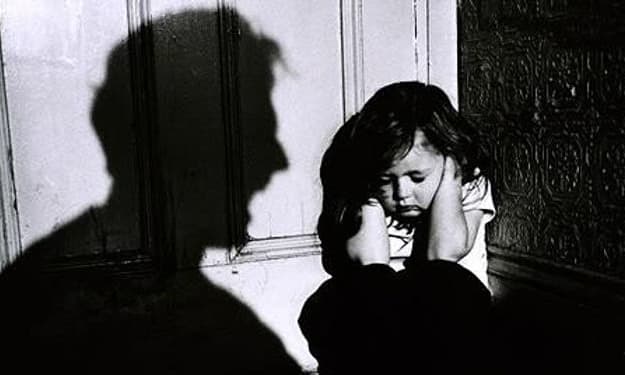
Childhood is often seen as a time of innocence, exploration, and growth. Yet for many, it is a period marred by trauma, be it emotional neglect, physical abuse, domestic violence, or abandonment. The impact of such experiences can reach far beyond the early years, quietly infiltrating adulthood and shaping how individuals relate to the world, their partners, and ultimately, their own children. Understanding Childhood Trauma. Childhood trauma refers to events or circumstances that are emotionally painful or distressing, often leaving lasting mental and emotional scars. These events can include physical or sexual abuse, exposure to violence, emotional neglect, parental substance abuse, or losing a caregiver. For a developing child, such experiences can disrupt the normal growth of emotional regulation, self-worth, and trust in others. Unlike a physical wound that may heal with time and treatment, trauma embeds itself deep into the psyche. It alters the brain’s wiring, especially areas linked to fear, memory, and emotional processing. As a result, trauma survivors may grow up battling anxiety, depression, emotional detachment, or difficulty forming healthy relationships. The Repetition of Pain: Trauma and the Family Cycle. One of the most devastating consequences of unresolved childhood trauma is its tendency to repeat itself across generations. Survivors may find themselves unintentionally replicating the same patterns of abuse, neglect, or dysfunction they endured. This is not because they are inherently harmful, but because trauma has shaped their understanding of what relationships and parenting should look like. For instance, someone who grew up in a home where love was conditional or paired with punishment may struggle to express affection in a healthy way. They might become overly strict, emotionally distant, or even repeat patterns of verbal or physical abuse. Others may become overly permissive, unable to set boundaries because they fear being seen as "bad" like their own parents once were. This cycle often begins subtly. A parent might snap in anger during a stressful moment, using the same hurtful words they once heard. Or they may struggle with addiction, depression, or emotional unavailability, just as their caregivers did. These behaviors can deeply affect their children, planting new seeds of trauma that can grow in silence until they are passed on again. Why the Cycle Continues. The repetition of trauma is not necessarily a conscious choice. Many survivors of childhood trauma suppress or minimize their past, believing they have "moved on." But trauma that is unprocessed doesn’t simply disappear, it lives in the body, the mind, and the emotional reactions to everyday life. Triggers can reignite old wounds, a child’s tantrum, a partner’s criticism, or even just the pressure of responsibility. Moreover, people tend to recreate what feels familiar, even when it is painful. The chaos of an abusive or neglectful home may become a blueprint for adult relationships and parenting. Without awareness and healing, survivors often replicate the only models of caregiving and attachment they have ever known. Breaking the Cycle. The good news is that the cycle of trauma does not have to continue. Healing is possible, though it requires courage, self-reflection, and often professional support. Therapy, particularly trauma-informed approaches like EMDR (Eye Movement Desensitization and Reprocessing) or somatic therapy can help individuals process their childhood experiences, reframe their beliefs, and build healthier coping mechanisms. Education is another powerful tool. Learning about attachment theory, emotional regulation, and healthy parenting can open doors to new ways of relating to oneself and others. Support groups, parenting classes, and trauma recovery programs can also create a safe space for growth. Perhaps most importantly, healing involves compassion for oneself and for the wounded child within. Acknowledging the pain without judgment allows survivors to reclaim their narrative, not as victims bound to repeat the past, but as individuals capable of transformation. Final Thoughts. Childhood trauma is a silent architect of many adult struggles, shaping how people love, parent, and relate to the world. Its effects can be profound and far-reaching, but they are not irreversible. By facing the past, seeking support, and choosing intentional healing, it is possible to stop the cycle. In doing so, individuals not only change their own lives, they give their children a new legacy, one rooted in safety, empathy, and love.
By Chris Liberty about a year ago in Psyche
Are You an Actor in Someone Else's Play?
The root of inner conflict: Are you living for other people’s expectations? I have a friend who, under the expectations of his family, chose a "stable" life path – working in the post office. My family thinks this is a great choice, with a stable salary, good benefits, and a secure retirement. The problem is – he was in terrible pain every day!
By Emily Chan - Life and love sharingabout a year ago in Psyche
Why I Feel Like I Can’t Do Anything
There are days when I wake up already exhausted, when the weight of simple tasks feels too heavy to lift. I look at my to-do list, stare at the passing hours, and wonder—why can’t I manage anything? Why do I feel stuck, numb, and overwhelmed, even when nothing seems drastically wrong?
By Leesh lalaabout a year ago in Psyche
Sigmund Freud: The Father of Psychoanalysis and His Impact on Psychology
Sigmund Freud, an Austrian neurologist born in 1856, is widely recognized as one of the most influential and controversial figures in the history of psychology. As the founder of psychoanalysis, Freud revolutionized how we think about the human mind, behavior, and mental health. His theories have had a profound and lasting impact not only on psychology but also on art, literature, and popular culture.
By Bobi Dutchabout a year ago in Psyche
Grief is the Mirror for Beauty. Content Warning.
This Isn’t a Healing Guide This isn’t a feel-good story riddled with toxic positivity and advice on how you should buckle up your bootstraps and get over it when you’ve suffered a great loss. Neither is it a tale of a rushed urge to heal and stop feeling pain. This story doesn’t offer any expectations or pressure – it is merely my lived experience. The unexpected moments where past wounds were surfaced long after my loss. The instances where I started to feel joy again – and the guilt that accompanied it. The paradox of feeling heartbreak and peace at once and not only being okay with that, but realizing it was the unlock to my ultimate happiness.
By Vanta Luminaabout a year ago in Psyche