recovery
Your illness does not define you. It's your resolve to recover that does.
Why You Sabotage Good Things When You’re Used to Chaos
Let’s talk about something most people don’t say out loud: Sometimes, when life finally starts to feel calm... When someone treats you gently… When everything feels *too good* to be true… You panic. You push them away. Overthink every word. Start fights. Distance yourself. Not because they did anything wrong — but because it all feels unfamiliar. If you’ve ever sabotaged a good thing, here’s the truth: **You’re not broken. You’re just used to chaos.** And your nervous system is still wired for survival. --- ### (1. Chaos Taught You That Love Is Painful) If you grew up in instability — emotionally, mentally, or physically — your body may have linked love with pain. Maybe love meant unpredictability. Or mood swings. Or walking on eggshells. So now, when someone shows up calmly, kindly, consistently… your brain says: “This doesn’t feel like love. This feels suspicious.” Because your baseline was chaos. And peace feels like a threat. --- ### (2. You Learned to Expect the Crash After the Calm) When everything’s going well, you can’t enjoy it. You wait for the moment it all falls apart. You start scanning for signs. Overanalyzing texts. Testing people to “prove” they’ll leave. It’s not that you want it to end — it’s that your body is preparing for disappointment before it happens. That’s not weakness. That’s trauma logic. --- ### (3. You Sabotage Because Stability Feels Boring) Toxic dynamics are addictive. They give you highs and lows, drama and reconciliation, fights and forgiveness. It keeps your adrenaline pumping. But healthy love? It’s quiet. Stable. Predictable. And at first, that can feel boring. But boring isn’t bad — it’s *safe*. It’s what you never had growing up. --- ### (4. You Question Kindness — Because You Never Received It Without a Catch) When someone compliments you, you wonder if they’re lying. When they’re consistent, you wait for them to switch. When they’re gentle, you wonder what they want from you. Because in your past, kindness was often a mask. Used for control. Manipulation. Or temporary peace before the next storm. Now, real kindness feels fake — because fake kindness is what you learned first. --- ### (5. You Push People Away Before They Can Hurt You) You ghost. You become cold. You sabotage the connection — not because you don’t care, but because you care *too much*. You’d rather be the one who leaves first than the one left behind. That’s not cruelty. That’s self-protection. --- ### (6. You Don’t Believe You Deserve Something Healthy) Deep down, a small voice whispers: “This person is too good for me.” “If they really knew me, they’d leave.” “I don’t deserve this kind of love.” So you act in ways that push them away — not because you don’t want love, but because you don’t believe you’re allowed to have it. This is one of the hardest lies to unlearn. --- ### (7. You Mistake Calm for Disconnection) You’ve been in relationships where shouting meant passion. Jealousy meant love. Tension meant chemistry. So when someone is calm, respectful, and non-reactive — it feels flat. Off. Cold. But what you're actually experiencing is emotional *safety.* You just don’t recognize it yet. --- ### 🌿 Final Thought If you’ve sabotaged a good thing, please don’t shame yourself. You’re not dramatic. You’re not toxic. You’re just healing from a lifetime of emotional landmines. It’s hard to trust what you’ve never known. It’s hard to feel safe when your nervous system is trained for survival. It’s hard to let in real love when you’ve only ever known conditional love. But this is what healing looks like: Learning to sit in peace without panic. Learning to trust stillness. Learning that love can be soft — and still be real. (. . .) The good things aren’t too good to be true. They’re just new. And *you’re allowed to learn how to receive them* — without sabotage, without guilt, without fear. You’re not broken. You’re becoming safe enough to keep what you’ve always deserved.
By SHADOW-WRITESabout a year ago in Psyche
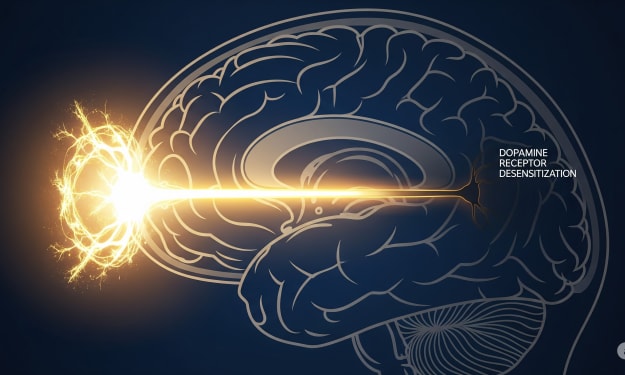
The Digital Mirage: How Pornography Rewires Our Brains, Erodes Our Confidence, and How to Reclaim Your Life
In the vast landscape of the internet, pornography has become a titan. Its websites attract more visitors than Netflix, Amazon, and Twitter combined, often dismissed as a harmless form of entertainment or a normal part of modern sexuality. But behind this veneer of normalcy, a growing body of scientific research reveals a much darker picture. While "pornography addiction" is not yet an official diagnosis in psychiatry's main diagnostic manual, the World Health Organization has recently added "Compulsive Sexual Behavior Disorder" to its own manual, a condition largely driven by problematic pornography use. This acknowledges a clinical reality: for many, pornography use evolves into a compulsive behavior with devastating consequences.
By Kaleem Ullahabout a year ago in Psyche
The Tangled Web Within: How Lying Punishes the Liar and Fractures Trust
Lying. It's a behavior as old as humanity itself, woven into the fabric of our social interactions with varying degrees of severity. From the small white lie intended to spare feelings to the elaborate deception designed for personal gain, falsehoods permeate our daily lives. Yet, while the focus often lies on the victim of deceit, a profound and often overlooked consequence unfolds within the liar themselves. The act of lying sets in motion a cascade of internal punishments that erode self-worth, breed anxiety, and ultimately fracture the very foundations of trust upon which healthy relationships and societies are built. Understanding this intricate web of internal and external repercussions is crucial, not only for fostering personal integrity but also for cultivating a more honest and reliable world.
By Kaleem Ullahabout a year ago in Psyche
You Don’t Have to Be Healed to Be Loved
We live in a world that tells us to heal first — then love. Fix your trauma. Get your mind right. Learn to love yourself. *Then* you’ll be worthy. But here’s the truth most people never say: **You don’t have to be healed to be loved.** You don’t have to wait until you’re “better” to deserve softness, safety, or connection. Here’s why. --- ### (1. Healing Is Not a Final Destination) There is no day when you’ll wake up and say: “I’ve healed. Nothing hurts anymore. I’m complete now.” Healing isn’t a switch. It’s a spiral. Some days, you’ll feel free. Other days, your wounds will whisper again. That doesn’t make you unworthy. It makes you *alive*. --- ### (2. Love Doesn’t Wait for Perfection — It Holds You in Progress) Real love doesn’t only show up when you’re thriving. It sits with you on your worst days. It says, “You’re safe here,” when you feel messy, insecure, or afraid. You don’t need to be the best version of yourself to be seen. You just need to be *honest*. --- ### (3. “Broken” Is Just Another Word for Real) We all carry stories. Some of us wear them on our skin. Others hold them deep inside. None of us are flawless. So if you’re waiting to be perfect before you open your heart — you’ll wait forever. And miss the people who would’ve loved you *right now*, exactly as you are. --- ### (4. Love Doesn’t Heal You — But It Can Help You Heal) No, love isn’t therapy. But feeling safe in someone’s presence? Being accepted in your darkness? Being held without being fixed? That changes something inside of you. Not all healing comes from solitude. Some of it comes from being *softened* by someone else’s kindness. --- ### (5. You’re Allowed to Be Loved While You’re Still Figuring It Out) You can be confused, uncertain, in transition — and still be loveable. You don’t need a 5-year plan. You don’t need a healed inner child. You don’t need to “have it all together.” You’re not a project. You’re a person. And people deserve love in *every* version of themselves. --- ### (6. The Right People Don’t Get Scared by Your Scars) Yes, some people will leave when they see your broken pieces. But the right ones? They’ll see the cracks and stay. They’ll understand that being open is brave. They’ll know that your vulnerability is a gift, not a burden. And they’ll love you deeper *because* of what you’ve been through — not in spite of it. --- ### (7. You Are Already Enough — Not “Once You Heal”) You’re not a half-person waiting to become whole. You’re not “almost there.” You’re already worthy of respect, affection, and care. Healing doesn’t create your worth. It just helps you see what’s *already* there. - - - - - - - - - - - - - - - - - - - - - - - - - - - - - - - - - - - - - - - - - - - - - - - - - - - - - ### 🌿 Final Thought Stop waiting to be perfect. Stop thinking your trauma makes you unlovable. Stop telling yourself, “Maybe when I’m better.” Because here’s what most people never tell you: ( . . . ) You’re allowed to be loved mid-healing. Mid-chaos. Mid-breakdown. Mid-evolution. You’re allowed to be loved when your voice shakes. When your past still hurts. When you’re tired of being strong all the time. You don’t need to be fixed. You need to be *felt*. And the people who are meant for you will never require your perfection — only your truth. **You don’t have to be healed to be loved.** You just have to be human — and honest enough to stay open.
By SHADOW-WRITESabout a year ago in Psyche
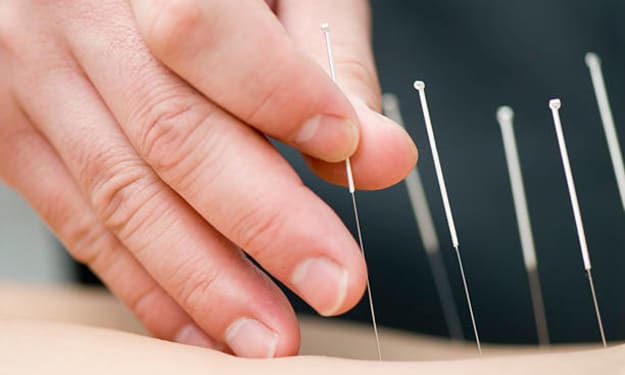
How Acupuncture Can Support Recovery After Miscarriage
Introduction Miscarriage is a deeply emotional and physically challenging experience that affects many women and couples. The aftermath can bring feelings of grief, confusion, and isolation, alongside the physical need for recovery. In such vulnerable times, many women seek holistic approaches to support their healing. One such method is acupuncture, a gentle, non-invasive therapy rooted in traditional Chinese medicine that can provide emotional comfort and physical balance during this sensitive period.
By Kerry Rutherford Acupunctureabout a year ago in Psyche
When Peace Feels Boring — It’s Because You’re Healing From Chaos
Let’s talk about a strange but very real feeling: You finally cut off the toxic friend. You left the relationship that drained you. You started choosing peace. No more drama. No more chaos. But now? You feel… bored. No highs. No lows. Just stillness. And it feels almost wrong — like you’re missing something. Here’s the truth most people never say out loud: **Peace feels boring when all you’ve known is chaos.** And it’s not your fault. - - - - - ### (1. Chaos Felt Like Home — Because It Was Familiar) You may have grown up in environments where love was unpredictable. Where yelling meant connection. Where tension was normal, and calm was rare. So when life finally gets quiet… it doesn’t feel safe. It feels foreign. And the brain confuses unfamiliar with wrong — even when it’s good for you. - - - - - ### (2. Highs and Lows Create Addiction — Even Emotional Ones) Toxic cycles give you *extremes*. Love bombing followed by coldness. Fights followed by apologies. Intense moments that leave you drained — but addicted. Peace, by contrast, feels flat. But here’s the truth: flat isn’t bad. It’s *stable*. It’s your nervous system learning how to exist without adrenaline. - - - - - ### (3. You Mistake Peace for Emptiness — Because It’s Quiet) No one is love-bombing you. No one’s blowing up your phone. No drama. No crisis. No chaos. And suddenly, your mind says, “This must be loneliness.” But peace isn’t empty. It’s open. Open for real connection. Real safety. Real calm. You’re not alone. You’re just finally not being chased by emotional fire alarms. - - - - - ### (4. You Start Creating Drama — Just to Feel Something) You send the text you know you shouldn’t. You stalk their profile. You pick a fight. You sabotage a good thing — because your body is craving the chaos it’s used to. That doesn’t make you toxic. That makes you unhealed. But here’s the good news: the urge to self-sabotage is not a failure — it’s a *signal*. You’re in withdrawal from dysfunction. - - - - - ### (5. Stillness Triggers What You’ve Been Avoiding) Peace gives your brain space. And in that space, the *real* thoughts surface: “What if I’m not lovable?” “What if I’ve wasted years on the wrong people?” “What if I don’t know who I am without the chaos?” Those are hard truths. But healing isn’t just calm — it’s *confronting*. And that’s why peace can feel overwhelming at first. - - - - - ### (6. You Realize How Much You’ve Tied Your Identity to Surviving) You were the fixer. The fighter. The one who held everything together. Now that there’s no chaos to solve… who are you? This is the turning point — where peace forces you to rediscover your identity outside of survival. And that’s not boring. That’s rebirth. - - - - - ### (7. You Don’t Feel “Happy” — Just... Neutral. And That’s Okay.) Peace doesn’t always feel like joy. Sometimes, it just feels like *nothing is wrong* — and that’s powerful. You’re not constantly anxious. You’re not hypervigilant. You’re not second-guessing everything. That quiet neutrality? That’s mental health. That’s your nervous system recovering. - - - - - ### 🌿 Final Thought If you feel bored, restless, or off during your healing journey… you’re not failing. You’re just adjusting. Adjusting to a life where love isn’t a battlefield. Where your phone doesn’t give you panic attacks. Where peace isn’t performative — it’s real. (. . .) Don’t run from that stillness. Sit in it. Let your nervous system untangle. Let your soul finally *rest*. Because here’s the truth no one tells you: **If peace feels unfamiliar… that means you’re finally healing.** Stay there. You’ll get used to it. And one day, you’ll call it home.
By SHADOW-WRITESabout a year ago in Psyche
The Hustle Culture Nearly Killed Me
I don’t remember the exact moment I stopped recognizing myself. Maybe it was the third night in a row I fell asleep in my car with my laptop still glowing on my thighs. Or maybe it was the morning I coughed up blood into a paper napkin, wiped it clean, and just… kept typing. Like a machine. Like a woman possessed.
By Ava Writes Truthabout a year ago in Psyche