list
Lists about all things mental health; explore psychiatric disorders, treatments and mental illness misconceptions from the common to the obscure.
How Questioning Life Can Lead to Personal Growth and Spiritual Awakening
The question of the meaning of life has troubled humanity for centuries. Whether you believe in God or not, the fact that we exist and that we are here on this planet can be a source of wonder and awe. Yet, the question remains: why are we here? What is the purpose of life? In this article, we will explore the concept of questioning life and how it can lead to personal growth, spiritual awakening, and a deeper understanding of ourselves and the world around us.
By MAKING REAL MONEY4 years ago in Psyche
12 Yoga Poses for Stress Relief and Relaxation
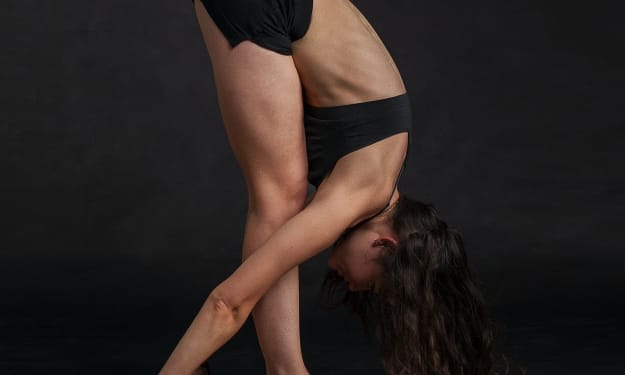
Yoga has been around for centuries, and for a good reason. It's not just about physical flexibility and strength, but it's also a great way to relieve stress and calm the mind. In this fast-paced world, stress and anxiety are common problems that most people face, and practicing yoga can be a great way to combat these issues. In this article, we'll explore 12 yoga poses that can help you achieve stress relief and relaxation. Child's Pose (Balasana) Child's pose is a gentle stretch for your back, hips, and thighs. It's a great way to start your yoga practice and can also be used as a relaxation pose between other more challenging poses. Cat-Cow Pose (Marjaryasana-Bitilasana) This pose is a gentle warm-up for your spine and can help relieve tension in your neck, shoulders, and back. It involves alternating between rounding and arching your spine. Downward Facing Dog Pose (Adho Mukha Svanasana) This pose is a great way to stretch your hamstrings, calves, and spine. It also helps relieve tension in your shoulders and can be used as a transitional pose between other poses. Standing Forward Bend Pose (Uttanasana) This pose is a great way to stretch your hamstrings and calves while also helping to calm the mind. It's an excellent pose for those who spend long hours sitting or standing. Tree Pose (Vrikshasana) This pose helps improve your balance and stability while also helping to calm the mind. It's a great pose for those who want to improve their focus and concentration. Warrior I Pose (Virabhadrasana I) This pose helps strengthen your legs, arms, and core while also stretching your chest and lungs. It's an excellent pose for those who want to feel empowered and energized. Warrior II Pose (Virabhadrasana II) This pose helps open up your hips and stretch your inner thighs while also strengthening your legs, arms, and core. It's a great pose for those who want to feel grounded and focused. Triangle Pose (Trikonasana) This pose helps stretch your hips, hamstrings, and calves while also opening up your chest and lungs. It's an excellent pose for those who spend long hours sitting or standing. Bridge Pose (Setu Bandha Sarvangasana) This pose helps strengthen your back, glutes, and legs while also stretching your chest and neck. It's an excellent pose for those who want to improve their posture and alleviate back pain. Cobra Pose (Bhujangasana) This pose helps strengthen your back while also stretching your chest, lungs, and shoulders. It's an excellent pose for those who spend long hours sitting or hunching over a computer. Fish Pose (Matsyasana) This pose helps open up your chest and stretch your neck while also improving your posture. It's an excellent pose for those who suffer from poor posture or spend long hours sitting. Corpse Pose (Savasana) This pose is the final relaxation pose in a yoga practice. It involves lying flat on your back with your arms and legs relaxed. It's a great way to release tension in your body and calm the mind. Child's Pose (Balasana) Child's Pose is a great yoga pose for stress relief as it allows the mind and body to relax deeply. Start by kneeling on your mat with your knees hip-width apart and your toes touching. Sit back on your heels and fold forward, placing your forehead on the mat. Extend your arms forward or alongside your body, palms facing up. Breathe deeply into your lower back, feeling it expand with each inhale and soften with each exhale. Pigeon Pose (Eka Pada Rajakapotasana) Pigeon Pose is an excellent hip opener that helps relieve tension and stress in the lower body. Begin in Downward-Facing Dog, then bring your right knee forward and place it behind your right wrist. Slide your left leg back and straighten it behind you, placing the top of your left foot on the mat. Keep your hips square and level, and fold forward over your right leg, resting your forehead on your hands or on the mat. Legs Up the Wall Pose (Viparita Karani) Legs Up the Wall Pose is a restorative yoga pose that helps calm the nervous system and relieve stress and anxiety. Sit with your left side against a wall, then swing your legs up the wall as you lie back on the mat. Place a folded blanket or cushion under your hips for support, and allow your arms to rest at your sides, palms facing up. Close your eyes and focus on your breath, feeling your body relax with each exhale. Reclining Bound Angle Pose (Supta Baddha Konasana) Reclining Bound Angle Pose is a gentle hip opener that can help reduce stress and tension in the body. Lie on your back with your knees bent and the soles of your feet together, allowing your knees to fall open to the sides. Place a folded blanket or cushion under each knee for support, and rest your arms at your sides with your palms facing up. Breathe deeply into your belly, feeling it expand with each inhale and soften with each exhale. Corpse Pose (Savasana) Corpse Pose is the ultimate relaxation pose in yoga, and it can help reduce stress and anxiety by allowing the body to fully relax and release tension. Lie on your back with your legs straight and your arms at your sides, palms facing up. Close your eyes and focus on your breath, feeling your body relax with each exhale. Stay in this pose for several minutes, or as long as you like, allowing your mind and body to fully unwind and let go of stress and tension. Conclusion Yoga is an excellent way to relieve stress, calm the mind, and improve your overall well-being. These 12 yoga poses are just a few examples of the many poses you can practice to achieve stress relief and relaxation. Incorporating these poses into your daily routine can help you achieve a sense of
By Shahinsha Shamon4 years ago in Psyche
What Is Alternative and Holistic Health Service
Alternative and holistic health practices are approaches to healthcare that go beyond conventional Western medicine, which focuses on treating symptoms with drugs and surgery. Instead, alternative and holistic health practices aim to treat the whole person - mind, body, and spirit - and to promote overall health and wellness. These practices have been around for centuries, and they include a wide range of techniques and therapies that aim to promote healing, prevent illness, and enhance well-being.
By Hafsa Hameed4 years ago in Psyche
why am I attracted to people with avoidant attachment styles
An anxious attachment style is a type of attachment that forms in childhood and is characterized by a fear of abandonment, a tendency to worry about the security of the relationship, and a need for constant reassurance and intimacy. People with an anxious attachment style often crave emotional closeness and may become anxious or insecure when they feel that their partner is distant or unresponsive. They may also have a tendency to become overly dependent on their partner and may feel a strong need for constant validation and support.
By Chloe Dalton4 years ago in Psyche
10 Things Everyone Should Know About PMDD
My self-care game is strong. It’s had to be. For the last couple of years, I’ve had many physical and mental health symptoms that I didn’t understand. All I could do was manage them. I learned how to listen to my body, and I used every single one of my coping skills. It still wasn’t enough.
By Crystal Jackson4 years ago in Psyche
Narcissism And Personality Disorders
Are all personality disorders the outcomes of frustrated narcissism? During our formative years (6 months to 6 years old), we are all “narcissists”. Primary Narcissism is a useful and critically important defense mechanism. As the infant separates from his mother and becomes an individual, it is likely to experience great apprehension, fear, and pain. Narcissism shields the child from these negative emotions. By pretending to be omnipotent, the toddler fends off the profound feelings of isolation, unease, pending doom, and helplessness that are attendant on the individuation-separation phase of personal development.
By kavinda ranabahu4 years ago in Psyche