humanity
Mental health is a fundamental right; the future of humanity depends on it.
Before You Knock on My Door, Look Inside Yourself
A story about a psychologist who helps his patients reclaim their dignity. This Might Be the Truth You’ve Been Avoiding What if the problem you’ve been blaming on the world… was never really the world? What if the reason relationships fail, confidence collapses, and life feels unfair isn’t always because people betrayed you, ignored you, or misunderstood you? What if the uncomfortable truth is this: Sometimes the door you keep knocking on isn’t locked… you’re just afraid to look inside yourself first. That realization is painful. Because blaming others is easy. Looking inward requires courage. But one psychologist made it his mission to help people do exactly that. Not by fixing their lives for them. But by helping them rediscover something many had forgotten: Their dignity. --- Chapter 1: The Door with a Strange Sign In a quiet street stood a small therapy clinic. Nothing about it looked extraordinary. Except for one thing. On the door of Dr. Adrian Malik’s office was a small sign that confused almost everyone who saw it. It read: “Before you knock on my door, look inside yourself.” Some patients smiled at it. Others frowned. A few even felt offended. “What does that even mean?” they would mutter. But once they stepped inside the office, they slowly began to understand. Because Dr. Malik wasn’t like other therapists. He didn’t simply listen and nod. He challenged people to confront the truths they had been avoiding. --- Chapter 2: The First Patient One afternoon, a young man named Karim walked into the office. His shoulders were tense. His eyes looked tired. The moment he sat down, frustration poured out of him. “My life is full of unfair people,” he said. “My boss disrespects me. My friends take advantage of me. And every relationship I’ve had ends the same way.” Dr. Malik listened quietly. He didn’t interrupt. When Karim finished speaking, he asked a simple question. “Tell me something,” the doctor said gently. “Why do you keep allowing people to treat you this way?” Karim looked confused. “I don’t allow it,” he replied defensively. “It just happens.” Dr. Malik leaned forward slightly. “No,” he said calmly. “It continues because somewhere, you believe you deserve it.” Silence filled the room. It was the first time anyone had suggested that Karim’s lack of boundaries might be part of the problem. --- Chapter 3: The Hidden Enemy of Dignity Many people believe dignity is something others give us. Respect from colleagues. Love from partners. Recognition from society. But Dr. Malik taught something different. Dignity begins with self-respect. If someone does not value themselves internally, they often tolerate treatment they should never accept. They apologize too often. They remain silent when they should speak. They accept behavior that slowly erodes their confidence. Karim realized something painful during that session. He had spent years trying to please everyone around him. But he had never protected his own dignity. --- Chapter 4: Why People Lose Their Sense of Worth Dr. Malik explained that many people lose their sense of dignity gradually. Not through one dramatic moment. But through repeated small experiences. Criticism during childhood. Toxic relationships. Fear of rejection. Constant comparison with others. Over time, these experiences create an invisible belief: “I am not enough.” And once that belief takes root, people begin making decisions that reinforce it. They accept disrespect. They avoid confrontation. They shrink themselves to make others comfortable. But Dr. Malik’s goal was simple: Help people challenge that belief. --- Chapter 5: The Mirror Exercise One day Dr. Malik gave Karim an unusual assignment. “I want you to stand in front of a mirror every morning,” he said. Karim laughed awkwardly. “That sounds strange.” “Maybe,” the doctor replied. “But tell me—when was the last time you truly looked at yourself?” The exercise was simple. Every morning Karim had to ask himself three questions: 1. Did I respect myself yesterday? 2. Did I allow anyone to cross my boundaries? 3. What can I do today to protect my dignity? At first the exercise felt uncomfortable. But after a few weeks, something began to change. Karim started noticing his patterns. And awareness is always the first step toward transformation. --- Chapter 6: The Power of Boundaries One of the most important lessons Dr. Malik taught his patients was about boundaries. Many people fear boundaries because they worry about losing relationships. But the doctor explained something powerful: The relationships that disappear when you set boundaries are the ones that were harming you. Healthy people respect limits. Toxic people resist them. Karim slowly began applying this lesson. He started speaking up at work. He stopped overcommitting to people who drained his energy. For the first time, he felt something unfamiliar. Control. --- Chapter 7: Another Patient’s Story One evening a woman named Laila entered the clinic. Her voice trembled as she spoke. “I feel invisible,” she said. “My partner never listens to me. My family dismisses my opinions. I feel like I don’t matter.” Dr. Malik asked her a question that surprised her. “When was the last time you listened to yourself?” Laila hesitated. “I don’t understand.” The doctor explained: “If you constantly ignore your own needs to satisfy others, people learn that your voice is optional.” It was a difficult realization. But an important one. Respect from others often begins with self-respect. --- Chapter 8: Reclaiming Personal Dignity Dr. Malik’s approach focused on rebuilding dignity through simple but powerful actions. Here are some of the principles he taught. Speak honestly Silence often protects conflict but damages self-respect. Expressing your thoughts respectfully strengthens your identity. Protect your time Time is a reflection of priorities. When you constantly sacrifice your time for others, you unintentionally signal that your needs are less important. Stop seeking approval Approval feels good. But depending on it makes you vulnerable to manipulation. Confidence grows when you make decisions aligned with your values. Accept imperfection Many people lose dignity because they fear mistakes. But mistakes are not proof of failure. They are proof of growth. --- Chapter 9: The Transformation Months passed. Karim returned to the clinic with a different energy. His posture was straighter. His voice calmer. “My life isn’t perfect,” he said. “But something feels different.” “What changed?” Dr. Malik asked. Karim smiled slightly. “I stopped blaming everyone else… and started taking responsibility for how I allow people to treat me.” The doctor nodded. That was the lesson he hoped every patient would discover. Not guilt. Not self-blame. But awareness. --- Chapter 10: The Meaning Behind the Sign One evening, as Karim prepared to leave the clinic for the last time, he looked again at the sign on the door. “Before you knock on my door, look inside yourself.” This time the words felt different. They weren’t a warning. They were an invitation. An invitation to self-reflection. Because real change doesn’t begin with advice from others. It begins with honest conversations with yourself. --- Final Reflection Many people spend years knocking on doors hoping someone else will fix their lives. A partner. A friend. A therapist. But the most important door you will ever open is the one within yourself. Inside it lives something powerful: Your self-respect. Your dignity. Your ability to choose how the world treats you. And once you reconnect with that inner strength, something incredible happens. You stop begging for respect. And you start living in a way that commands it naturally. --- If this story made you pause and reflect, you’re not alone. ❤️ If you found something meaningful here, leaving a like helps this message reach others who might need it. 💬 I’m curious — what do you think is the most important step in reclaiming personal dignity? Share your thoughts in the comments. 🔔 And if you enjoy thoughtful stories that explore psychology, relationships, and personal growth, follow along. Because sometimes a single idea can open a door inside us we didn’t even realize was locked.
By Ahmed aldeabella7 months ago in Psyche
When Does a Woman Feel Safe?
Not because this is another relationship article… but because what you’re about to read might explain a mystery that ruins countless relationships without anyone noticing. Many men think a woman feels safe when she hears “I love you.” Many women think they should feel safe simply because someone promises loyalty. But here’s the uncomfortable truth: A woman doesn’t feel safe because of words. She feels safe because of patterns. Patterns of behavior. Patterns of respect. Patterns that quietly tell her, “You don’t have to protect your heart around me.” This story begins with someone who didn’t understand that. --- Chapter 1: The Question That Changed Everything Daniel believed he was a good partner. He didn’t cheat. He worked hard. He texted often. Yet something always felt slightly distant between him and Maya. Maya smiled. She laughed. She stayed. But sometimes Daniel noticed a hesitation in her eyes — a small pause before she shared something personal. One evening they sat at a quiet café. Rain tapped softly against the glass windows. Daniel finally asked the question that had been sitting in his chest for months. “Why do I feel like you’re still holding something back from me?” Maya looked down at her coffee. Not angry. Not defensive. Just thoughtful. Then she said something simple, but it hit Daniel like lightning. “I like you, Daniel. But feeling safe with someone… takes more than liking them.” Daniel frowned. “Safe? I’ve never done anything to hurt you.” Maya nodded. “I know. But safety in a relationship isn’t just about avoiding harm. It’s about creating comfort.” That night Daniel went home confused. But that confusion would soon turn into understanding. --- Chapter 2: The Invisible Need Many people misunderstand emotional safety. They think it’s dramatic — something related to betrayal, lies, or big conflicts. But most of the time, emotional safety is built in small moments. Moments like: How someone reacts when you admit a mistake How someone listens when you share a fear How someone treats you when you’re not at your best For women especially, emotional safety is deeply connected to trust and vulnerability. A woman may appear strong, confident, independent. But inside, she is constantly evaluating a quiet question: “Is this someone I can relax around… or someone I must protect myself from?” When the answer becomes relax, that’s when safety begins. --- Chapter 3: What Makes a Woman Feel Safe Daniel started paying attention. Not to what he thought mattered. But to what Maya actually responded to. And slowly he began noticing something powerful. Safety wasn’t about grand gestures. It was about consistency. Here are the lessons he learned. --- 1. A Woman Feels Safe When She Is Truly Heard Many people listen just to reply. But feeling heard means something deeper. When Maya talked about her stressful day, Daniel used to jump straight into solutions. “Just ignore your boss.” “You should quit that job.” “Don’t worry about it.” But one day he tried something different. He simply listened. No interruption. No advice. Just attention. At the end Maya said something surprising: “Thank you for listening.” Daniel realized something important. Sometimes the greatest form of safety is simply being understood. --- 2. Consistency Creates Security Grand romantic gestures are exciting. But consistency is comforting. A woman feels safe when she knows what version of you she will meet tomorrow. Not someone loving today and distant next week. Not someone calm today and explosive tomorrow. Consistency tells the nervous system: “This person is predictable. You can relax.” Daniel began showing up in small reliable ways: Keeping promises Being emotionally present Communicating honestly These quiet actions slowly built trust. --- 3. Emotional Reactions Matter More Than You Think One night Maya told Daniel something vulnerable. She confessed she sometimes felt insecure about her career progress. This was a critical moment. If Daniel dismissed her feelings or joked about them, a wall would appear instantly. Instead he said: “That must feel heavy. I’m glad you told me.” Her shoulders relaxed. Why? Because emotional safety grows when someone respects your feelings instead of minimizing them. --- 4. Respect Is the Foundation of Safety Respect isn’t only about politeness. It’s about how someone treats your boundaries, your opinions, and your individuality. A woman feels safe when she knows: Her voice matters Her boundaries will be honored Her thoughts won’t be mocked Daniel began asking for Maya’s perspective more often. Not out of obligation. But genuine curiosity. That changed everything. --- Chapter 4: What Breaks a Woman’s Sense of Safety Just as safety can be built slowly, it can also be broken quickly. There are patterns that silently damage emotional trust. Here are the most common ones. --- Inconsistency Hot today. Cold tomorrow. This emotional unpredictability makes someone feel unstable inside the relationship. --- Dismissive Communication Statements like: “You’re overreacting.” “It’s not a big deal.” “You’re too sensitive.” These phrases tell someone their feelings are invalid. And when feelings aren’t safe, vulnerability disappears. --- Lack of Emotional Presence You can be physically present but mentally absent. Scrolling your phone during conversations. Ignoring subtle emotional cues. Over time this makes someone feel invisible. --- Broken Promises Trust isn’t broken by one huge lie most of the time. It’s broken by dozens of small broken promises. And once trust weakens, safety disappears with it. --- Chapter 5: The Moment Daniel Finally Understood Months passed. The relationship between Daniel and Maya felt different. Lighter. Warmer. One evening they walked through a quiet park. The sun was setting, painting the sky in orange and soft purple. Maya suddenly said something that Daniel would never forget. “I feel calm around you.” Daniel smiled slightly. “That’s good, right?” She nodded. “Yes. It means I feel safe.” That moment wasn’t loud. No fireworks. No dramatic confession. Just peace. And that’s the real secret. When a woman feels safe, love grows naturally. --- Chapter 6: Practical Advice for Anyone Who Wants to Build Emotional Safety Whether you’re in a relationship now or hope to build one someday, these principles matter. Be emotionally available People feel safe with those who are present — not distant. Listen more than you speak Understanding builds connection. Be consistent Your behavior should match your words. Validate feelings Even if you don’t fully understand them. Respect individuality Love should never feel like control. --- Chapter 7: The Hidden Reward Here’s something many people don’t realize. When a woman feels emotionally safe, she becomes more open, more affectionate, and more supportive. Not because she is obligated. But because she no longer needs to guard her heart. Safety unlocks the most authentic version of love. And that kind of love is rare. --- Final Thought If you remember nothing else from this story, remember this: A woman feels safe not when she hears beautiful words… but when she experiences consistent care. Not perfection. Just sincerity, respect, and presence. Those quiet things create the strongest relationships. --- If this story made you pause and think for a moment, you’re already ahead of most people. ❤️ If something here resonated with you, leave a like so more people can discover it. 💬 Share your thoughts in the comments — when do you think someone truly feels safe in a relationship? 🔔 And if you enjoy thoughtful stories like this, follow along. There are many more ideas worth exploring together. Because sometimes a few minutes of reading can change how we understand the people we care about.
By Ahmed aldeabella7 months ago in Psyche
TV Quiz Show Brain-Rot
I might expand on this soon, but I need you to understand this... *** We've often seen that social media's infinite scrolling and slot-machine style refreshers are based upon the methods implemented by casinos in order to keep us playing the game (or in their case, using the application). But what we do not discuss often enough is how these same casino-like situations are implemented by television in order to keep us paying attention to the screen.
By Annie Kapur7 months ago in Psyche
The Surprising Psychology Behind People Who Love Staying at Home
In a world that constantly celebrates travel, parties, social gatherings, and busy lifestyles, people who prefer staying at home are often misunderstood. Many assume they are lazy, antisocial, or missing out on life. However, psychology tells a very different story. Loving to stay at home can reveal deep aspects of personality, mental wellbeing, and emotional intelligence. Interestingly, psychologists have found that people who enjoy their own company often possess unique psychological strengths. Their preference for quiet environments is not necessarily about avoiding the world — sometimes it is about understanding themselves better. Let’s explore the surprising psychology behind people who genuinely love staying at home.
By Shahid Zaman7 months ago in Psyche
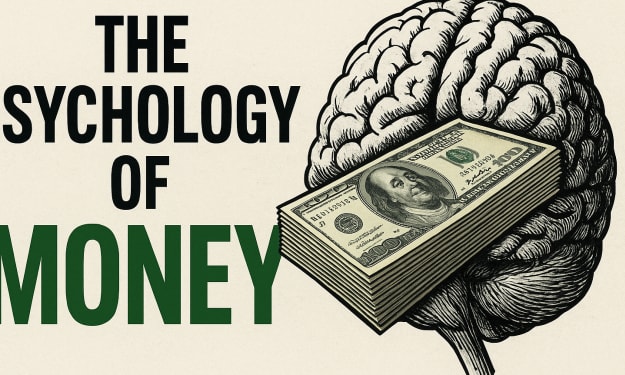
The Mind Behind Your Money: Why Wealth Starts in Your Head
"You can earn more, save more, and invest wisely—but if your mind doesn’t understand money, it will always slip through your fingers. The real wealth isn’t in your bank account—it’s in the way you think about money."
By Zakir Ullah7 months ago in Psyche
The BAFTA Awards. Top Story - March 2026.
By now, in a stunning departure from recent years, most of the world is aware of what happened at the BAFTA film awards. Social Media Headlines will tell you the bare bones: that John Davidson, a Tourette's Syndrome advocate, shouted a racial slur at two Actors of Colour, Michael B Jordan and Delroy Lindo.
By Natasja Rose7 months ago in Psyche
Unplug
I am one of those people that unplugs items around the house when I go on a trip. I do it because I want to protect and keep the things I find valuable, from anything happening to them, in the even of a power surge or some other king of natural event that would cause a power outage, or surge. My computer is number one on my list. I use it for my writing and I can’t afford to lose my work. Preservation of high value items is wise, I believe. I’m probable not the only one who does this. So if we protect our “things” like this, why aren’t we protecting our most valuable thing in life, our mental health?
By Alexandra Grant7 months ago in Psyche
The Silent War Inside Your Mind: How Modern Life Rewires Your Brain Without You Realizing It
There is a war happening inside your head. Not the dramatic kind with explosions and alarms. This one is quieter. Softer. It hums beneath your thoughts while you scroll, while you watch, while you “relax.”
By The Insight Ledger 7 months ago in Psyche
Who is your "Person"?. Top Story - March 2026.
It's important to recognize that you cannot go through life as easily on your own. My name is Elizabeth and I'm a survivor of child abuse and horrific trauma. Healing from trauma is not a quick fix and recognizing that it will take time, is part of the struggle.
By Elizabeth Woods7 months ago in Psyche