depression
It is not just a matter of feeling sad; discover an honest view of the mental, emotional and physical toll of clinical depression.
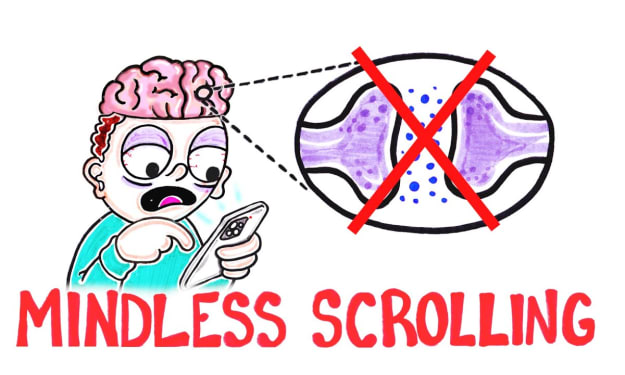
Mindlessly Scrolling
What would happen to your brain and body if you tried to stop using your phone? Since the average American touches their phone 2,600 times a day and this constant scrolling has altered your brain's neurology, after one hour you have probably tried to pick up your phone three or four times. After 12 hours of not using your phone, you may start to feel anxious because not using it releases the stress hormone cortisol.
By Mariam Fathalrahman2 years ago in Psyche
How Your Brian is being CHANGED by The Internet
Imagine how different life would be if there were no internet. The idea of not having smartphones, maps, and search engines at our fingertips seems completely foreign to us now that everything is connected. However, how is our growing reliance on the online world affecting us? Our relationships and information sources are changing quickly, and there are even noticeable effects happening inside our brains as more and more devices are connected to the internet.
By Mariam Fathalrahman2 years ago in Psyche
Suicide Rainbows-Part 3
Ride the tide, don’t fight with the current that guided you Melt the ice round the furnace burning inside of you I gotta do better, I gotta do better, I gotta do better There’s nothing they can do that I can’t do better Better yet, there’s nothing I can do that I can’t do better Yeah, I’m better I said I’m better… -Ab Soul-’Do Better’
By lazarusInfinity2 years ago in Psyche
Addressing Anxiety and Stress in the Office Environment . AI-Generated.
Introduction The modern office environment, with its constant demands and high expectations, often becomes a breeding ground for anxiety and stress. Addressing these issues is crucial for maintaining productivity and ensuring the well-being of employees. This article explores effective strategies to manage anxiety and stress in the office, helping both employers and employees create a healthier work environment.
By Edda Watson2 years ago in Psyche
Psychologist Attitudes on Psychedelic-Assisted Therapy: New Research. AI-Generated.
Imagine treating depression or PTSD with a therapeutic experience rather than conventional medication. This innovative concept, known as psychedelic therapy, is gaining traction. However, its acceptance among therapists varies. A recent study by a therapy group in Portland explored the reasons behind these diverse attitudes, providing valuable insights
By Lauren Rutherford2 years ago in Psyche
Schools and Mental Health. AI-Generated.
The mental health of students is a critical concern that schools must address to ensure the well-being and academic success of their pupils. With increasing awareness of mental health issues, schools are becoming pivotal in identifying and supporting students facing psychological challenges. This article explores the importance of mental health initiatives in schools and highlights the need for specialized treatments, including OCD treatment in California, to support students effectively.
By Nathan James2 years ago in Psyche
The Impact of COVID-19 on Global Mental Health. AI-Generated.
Introduction The COVID-19 pandemic has been a defining global event, reshaping many aspects of daily life and health. While the physical health impacts of the virus have been widely documented, its effects on mental health have also been profound and far-reaching. The pandemic had triggered a global mental health crisis, exacerbating existing issues and creating new challenges for individuals and health systems worldwide.
By Jayson Rom2 years ago in Psyche
Coping with Narcissism
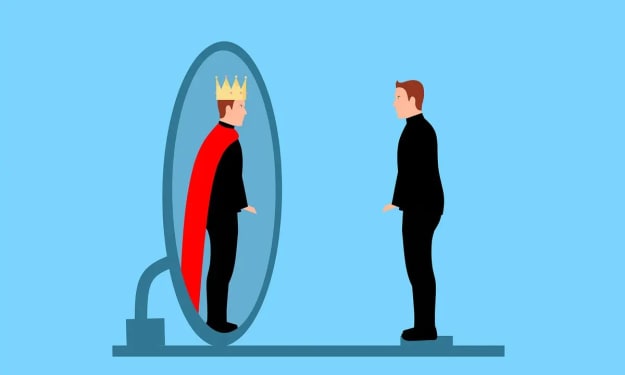
Long before the advent of selfies, the ancient Greeks and Romans had a myth about someone excessively obsessed with his own image. This myth was about Narcissus, a handsome young man who wandered the world in search of someone to love. After rejecting a nymph named Echo, Narcissus caught a glimpse of his own reflection in a river and fell in love with it. Unable to tear himself away from his reflection, he eventually drowned. A flower, which we now call the narcissus, marked the spot where he died. This myth captures the essence of narcissism: elevated and sometimes detrimental self-involvement.
By Horace Wasmore2 years ago in Psyche