advice
Advice and tips on managing mental health, maintaining a positive outlook and becoming your happiest self.
Why Storms and Heavy Rain Feel So Comforting to Some People
Not everyone finds comfort in chaos — but some do. Some people feel strangely calm when the skies darken. When the thunder rolls in. When the rain crashes against windows like a memory they can’t quite place. If storms make you feel peaceful — you’re not alone. And no, it’s not weird. It’s not dramatic. It’s *human.* Here’s why storms and heavy rain feel like home to some hearts. --- ### (1. The Outside Finally Matches the Inside) Most days, you walk around carrying silent storms. Grief, anxiety, loneliness — all hidden beneath a steady face. But when the sky breaks open — it’s like the world finally mirrors what you’ve been holding inside. The chaos is no longer private. You’re no longer alone in the heaviness. And for a moment, everything feels aligned. --- ### (2. Rain Feels Like Permission to Pause) In a world that glorifies productivity, sunny days come with pressure. "Go out!" "Be social!" "Smile more!" But when it rains, there’s no expectation. You don’t have to do anything. You’re allowed to *just be.* Curl up. Reflect. Slow down. Let the rhythm of the rain replace your racing thoughts. --- ### (3. Storms Remind You That Chaos Can Be Beautiful) Life doesn’t always make sense. Heartbreak. Loss. Change. Uncertainty. But a storm — it’s raw and wild and unpredictable. And somehow, *still beautiful.* The sky tears open — and yet you feel safe. Because it shows you that not everything broken is bad. Not everything intense is dangerous. Some chaos carries healing in its roar. --- ### (4. Rain Activates Deep Memory — Even If You Don’t Know Why) Rain has a way of pulling something out of you. A forgotten scent. A hidden ache. A person you haven’t thought of in years. That’s because sensory memory runs deep. The smell of wet soil. The cool breeze. The sound of droplets hitting glass. They transport you — not to a specific place, but to a *feeling.* And that feeling is often quiet, nostalgic, and *safe*. --- ### (5. You Grew Up Finding Comfort in Weather, Not People) Some people find safety in people. Others found it in the sky. If love in your life was inconsistent — but nature stayed the same — your nervous system learned to trust storms more than humans. The rain didn’t yell. The thunder didn’t judge. The storm didn’t abandon. It came and went, but it never pretended. It *never lied*. --- ### (6. The Sound of Rain Regulates an Overactive Mind) For the overthinkers. The anxious. The emotionally sensitive. Rain becomes a natural sedative. There’s a reason apps use storm sounds for sleep and meditation. It’s consistent. Rhythmic. Soothing. It drowns out inner noise — and reminds your body: “It’s okay to rest now.” --- ### (7. Storms Remind You That Destruction Isn’t Always the End) A storm can uproot trees, flood roads, cut off power. But it always passes. And after the wreckage? New life grows. The air feels clearer. The earth feels *reborn.* That’s the same with emotional storms. They shake you, yes — but they also reveal what’s unshakable inside you. - - - - - - - - - - - - - - - - - - - - - - - - - - - - - - - - - - - - - - - - - - - - - - - - - - - - - - ### 🌿 Final Thought If storms calm you — let them. If rain makes you feel more at peace than sunlight — honor that. You’re not strange. You’re not broken. You just feel the world differently. Some souls are wired to find beauty in darkness. To feel safest when the world slows down. To connect with the sky when humans feel too loud. (. . .) So the next time thunder rolls and the sky opens up? Close your eyes. Breathe deeply. And remember: **Sometimes, the storm isn’t outside of you. It’s the part of you that finally feels understood.**
By SHADOW-WRITESabout a year ago in Psyche
When You’re the Strong One But No One Checks On You
You’re the strong one. The one everyone calls when they’re overwhelmed. The one who stays calm during chaos. The one who gives advice, shows up, keeps it together. But what happens when *you* fall apart? What happens when you’re not okay — but no one notices? Here’s the truth that rarely gets said: **Being the strong one is lonely.** Because people forget that even the strong need support, too. --- ### (1. You’ve Been the Anchor for So Long — No One Thinks You Drift) You’ve always been the reliable one. The steady friend. The “you’re so mature” one. So when you go quiet, no one checks in. When you withdraw, they assume you’re just “busy.” They don’t realize your silence isn’t strength — it’s *exhaustion*. --- ### (2. You’re Always Asked How Others Are — But Rarely Asked About Yourself) People text you to vent. Call you when they’re spiraling. Share their wins, their losses, their heartbreak. And you listen — always. You give your time, your energy, your presence. But when you’re hurting? No one asks. Or worse — they change the subject when you try to share. It starts to feel like your feelings are invisible. --- ### (3. You Don’t Want to Be a Burden — So You Stay Quiet) You could reach out. You could say something. But part of you thinks: “They have their own problems.” “It’s not that serious.” “They won’t understand.” So you carry it alone. Not because you want to — but because asking for help feels unfamiliar. Maybe even weak. --- ### (4. People Praise Your Strength — But Never Hold Your Softness) “You’re so strong.” “You always bounce back.” “You don’t let things get to you.” What they don’t see is the nights you cried in silence. The moments you almost gave up. The weight you carry behind your smile. You’re not strong because nothing hurts. You’re strong *because everything does* — and you keep going anyway. --- ### (5. You’re Tired of Being Needed — But Never Nurtured) Everyone needs something from you. Advice. Comfort. Time. Support. But when was the last time someone poured into *you* without needing anything in return? You’re not asking for the world. Just presence. Just softness. Just someone to say: “You don’t always have to be okay.” --- ### (6. You Have to Schedule Your Meltdowns — Because There’s No Room to Break) You can’t fall apart at work. You can’t cry in front of certain friends. You can’t express too much — because then you’re “overreacting.” So you break in silence. In the shower. On a walk. At night when the world sleeps. Not because you're dramatic — but because no one ever taught you how to fall apart *safely*. - - - - - - - - - - - - - - - - - - - - - - - - - - - - - - - - - - - - - - - - - - - - - - - - - - - - - - - - - ### 🌿 Final Thought If you’re the strong one — this is your reminder: You don’t always have to be the rock. You’re allowed to be held. To need. To cry. To be cared for. Just because you’re capable of carrying others… doesn’t mean you have to carry *everything*. ( . . . ) The strongest people often have the softest hearts — and the deepest scars. You’re not weak for wanting support. You’re not selfish for needing to be seen. You’re not “too much” — you’ve just had to be *everything* for too long. So please, check in on your strong friends. And if that’s you — start checking in on *yourself*, too. Let someone hold you. Let yourself rest. Because strength isn't in silence. **It’s in knowing when you deserve to be cared for, too.**
By SHADOW-WRITESabout a year ago in Psyche
📵 “The Constant Noise You Don’t Hear — But Your Body Does”. AI-Generated.
Have you ever felt tired without doing anything? Or mentally heavy even after resting? You’re not alone — and you’re not lazy. You may just be surrounded by a kind of stress you don’t even notice anymore. It’s not loud like a shout. It’s not painful like a headache. It’s quiet. But it’s always there.
By DR. Allama iqbalabout a year ago in Psyche
Why You’re So Good at Understanding Others — But Feel So Misunderstood Yourself
You’ve always been the one who gets it. The one who picks up on tone changes. The one who notices when someone’s energy is off. The one who listens for hours. Gives space. Offers gentle advice without judgment. People say, “You’re so emotionally mature.” “You’re easy to talk to.” “You just *get* me.” But deep down, there’s a quiet ache. Because while you understand everyone — *almost no one truly understands you.* Here’s why. --- ### (1. You Learned Early That It Was Safer to Observe Than Express) Maybe your childhood taught you to read moods like survival. You knew how to keep the peace. You could sense tension before it exploded. You became a master at emotional reading — but not emotional receiving. Now, you offer the same understanding to others — but still struggle to accept it for yourself. --- ### (2. You Hold Space for Others — But You Don’t Know How to Ask for It) You’re the safe space. The secret-keeper. The emotional first responder. But when *you* need someone to lean on? You hesitate. You go quiet. You convince yourself it’s “not that serious.” Because asking for emotional presence feels unfamiliar — maybe even selfish. --- ### (3. You Speak in Layers — And Most People Only Understand the Surface) You talk about your feelings carefully. You filter your words. You soften your truths so they don’t make others uncomfortable. But this gentleness becomes a curse. People miss the depth of what you’re saying. They think you’re “fine” when you’re actually breaking inside. You’re not hard to understand — you’re just speaking a language most never learned to hear. --- ### (4. You Attract People Who *Need* You — But Rarely Match You) Because you’re so understanding, you often attract people who crave being heard. But many of them don’t offer the same in return. They vent. You listen. They cry. You hold them. You hint that you’re hurting — and they change the subject. It’s not that you’re asking for too much. It’s that you’ve been surrounded by people who give too little. --- ### (5. Your Depth Makes Others Uncomfortable) You talk about things most avoid. Healing. Grief. Boundaries. Growth. You ask the real questions — “How’s your heart?” “What are you afraid of?” But most people prefer surface-level comfort over soul-level connection. So instead of being met with depth, you’re met with distance. --- ### (6. You Often Feel Emotionally Alone — Even in a Room Full of People) You laugh. You smile. You check in on everyone. But no one really checks on you the way you do for them. Not out of cruelty — they just assume you’re okay, because you’re “always strong.” What they don’t see is how exhausting it is to always hold space… and rarely feel held. --- ### (7. You’ve Been Burned Before — So You Keep the Real You Hidden) You’ve opened up in the past. Told someone your fears. Shared your softest truth. And it was ignored. Or judged. Or used against you. So now, you stay quiet. You shrink your feelings. You smile instead of explain. Not because you want to — but because it’s safer. --- ### 🌿 Final Thought If you feel misunderstood — it’s not because you’re too much. It’s because you feel so deeply, and so few people know how to meet you at that depth. But your ability to understand others is not a curse. It’s a gift. And one day — maybe today, maybe soon — someone will show up who speaks your language back. Someone who listens without fixing. Who sees you without you having to explain. Who holds your silence with the same care you hold theirs. (. . .) Until then, protect your empathy. Don’t shrink your heart to feel seen. And never apologize for loving with your full presence. You don’t need to be understood by everyone. You just need to be understood *by the right ones.* And they will feel like home — not confusion.
By SHADOW-WRITESabout a year ago in Psyche
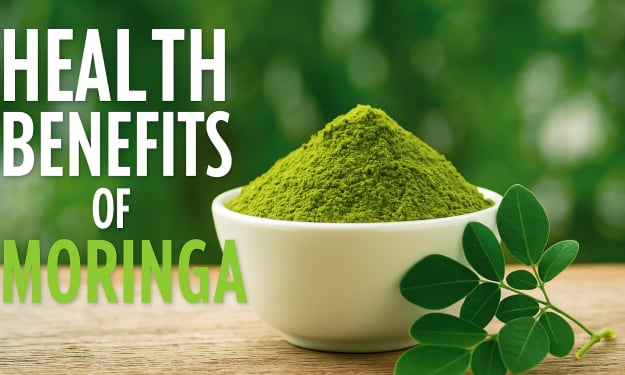
Moringa: Nature’s Best Brain Food.. AI-Generated.
Feeling foggy, anxious, or just mentally drained? You’re not alone. In our fast-paced world, mental fatigue, low mood, and burnout have become all too common. But instead of turning to yet another cup of coffee or an energy drink, many people are turning to something completely natural—and surprisingly powerful called Moringa Powder.
By Edward Smithabout a year ago in Psyche
Mastering the Mind: How to Control Overthinking and Find Inner Peace
Introduction Overthinking is a common mental habit that can rob us of peace, productivity, and happiness. Whether it's replaying past conversations, imagining worst-case scenarios, or obsessively planning for the future, overthinking creates unnecessary mental clutter and stress. Fortunately, with awareness and the right tools, you can regain control over your thoughts and lead a calmer, more focused life. This article explores practical ways to recognize, manage, and ultimately overcome overthinking.
By Abdul hasib Habibiabout a year ago in Psyche
Unplug to Recharge: Coping with Tech Burnout in 2025
It’s 2025, and we live in a world that never powers down. Notifications blink at us from every corner — smartphones, laptops, smartwatches, even our refrigerators. We are always reachable, always expected to respond, and often silently judged by how quickly we reply. With so many devices competing for our attention, it’s no surprise that tech burnout has become a very real mental health issue.
By Briana Felicianoabout a year ago in Psyche