advice
Advice and tips on managing mental health, maintaining a positive outlook and becoming your happiest self.
The Weight of Labels
I did not get angry because I was attacked. I got angry because I felt invisible. That is what labeling does. It reduces a human being—a soul with thoughts, experiences, and convictions—into a set of categories that can be dismissed before they even speak.
By Peter Thwing - Host of the FST Podcast11 months ago in Psyche
The Weight No One Saw
Usman had a smile that could make anyone believe he was okay. He laughed easily, spoke kindly, and carried himself like someone who had everything sorted out. But behind that calm face was a storm that no one ever noticed — not because he hid it well, but because no one ever looked closely enough. He wasn’t always like that. There was a time when life felt light, when the small joys of a morning breeze or a cup of chai meant something. But somewhere between expectations, failures, and unspoken emotions, Usman lost the ability to feel those little joys. His heart was still beating, but it had forgotten how to live. Every morning he would wake up with the same heavy silence pressing on his chest. It wasn’t sadness exactly — it was emptiness. A hollow space inside him that no amount of success, laughter, or company could fill. People called him “strong,” “resilient,” “mature,” but what they didn’t see was that he wasn’t strong — he was tired. He had mastered the art of appearing fine. He’d show up at work, crack a few jokes, talk about cricket scores, and nod at the right times. No one noticed the trembling hands under the table or the restless nights that never let him sleep. At night, when the world went silent, that’s when the noise inside his head got loud. Every regret, every mistake, every “what if” screamed at him until he drowned in his own thoughts. He tried explaining once — just once — to a friend. “I don’t feel okay,” he had said. His friend had laughed softly, patting his shoulder. “Everyone gets tired, bro. Just chill. Go out, have fun. You think too much.” That was the moment he realized — not everyone will understand the kind of pain that doesn’t show on your skin. Days turned into weeks, and weeks into months. The smile stayed, but it became heavier to wear. There were days when even getting out of bed felt like carrying mountains on his shoulders. He’d look in the mirror and wonder when exactly he started to disappear from himself. His reflection looked familiar, but not alive. What hurt most wasn’t the pain — it was the loneliness inside it. The feeling that you could be surrounded by people and still feel like no one sees you. That’s what mental struggle does — it doesn’t just hurt, it isolates. One night, while scrolling aimlessly through old pictures, he paused on one — a picture of him from college, laughing with his whole face, eyes alive with possibility. He stared at it for a long time. That version of him felt like a stranger. But somewhere deep down, he wished he could meet that Usman again — the one who believed life could be kind. That night, something small shifted inside him. He didn’t suddenly heal, didn’t magically feel better — but he made a promise to himself: “To stop pretending.” The next morning, he did something different. He wrote a message to his closest friend. Not a long one, not poetic — just simple and honest. “I’ve not been okay for a long time. I think I need help.” And for the first time, instead of wearing a mask, he allowed himself to be real. His friend came over that evening, sat beside him, and just listened. No advice, no quick fixes — just quiet understanding. It was the first time in months that silence didn’t feel heavy. Days after that, Usman began journaling. He started taking walks again, not to escape, but to breathe. He started therapy, hesitant but hopeful. Healing didn’t come easy — it came slowly, with relapses and moments of doubt — but this time, he wasn’t alone. He learned that asking for help doesn’t make you weak; it makes you human. He realized that strength isn’t about hiding your pain; it’s about having the courage to face it. And most importantly, he learned that even when your mind tells you that no one cares, there’s always someone who will — if you let them in. Months later, Usman still had bad days, but he had begun to smile again — not the smile he wore to convince others, but the one that came from a quiet place inside him that was learning, slowly, to heal. And maybe that’s what recovery looks like — not a perfect ending, but a beginning where you learn to breathe again.
By MUHAMMAD QASIM UMAR11 months ago in Psyche
When Inclusion Means Assimilation: Why We’re Done Playing ‘Normal’
Inclusion shouldn’t mean erasure. But for many disabled people, that’s exactly what it feels like. We’re told to “blend in,” “mask,” “act normal.” We’re praised when we suppress our natural communication styles, sensory needs, or mobility tools. We’re rewarded for being palatable, not authentic.
By Tracy Stine11 months ago in Psyche
How to Look Young Even in Old Age
Aging is a natural part of life, but looking and feeling youthful is a choice you can make every single day. You don’t need expensive surgeries or filters to maintain your glow. What really keeps you looking young is how you care for yourself, from your hair and wardrobe to your mindset and the people you surround yourself with.
By Zeeshan Ahmad11 months ago in Psyche
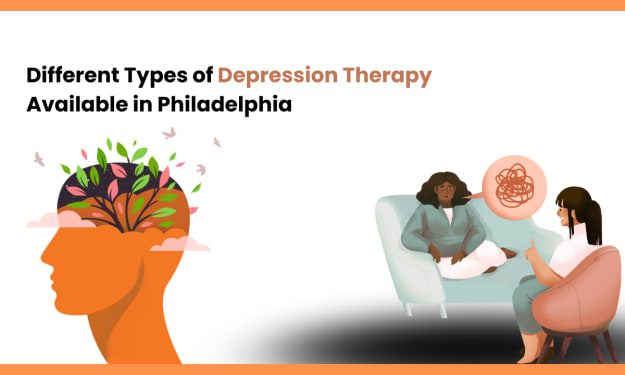
“Overcoming the Shadows: Understanding and Ending Depression
Depression is one of the most misunderstood yet widespread challenges of our time. It is often dismissed as “just feeling sad” or “being weak,” but in reality, depression is a serious mental health condition that can affect anyone, regardless of age, gender, background, or success in life. To truly overcome it, we first need to understand it deeply—what it is, why it happens, and most importantly, how it can be treated and healed.
By Ihtisham Ulhaq12 months ago in Psyche
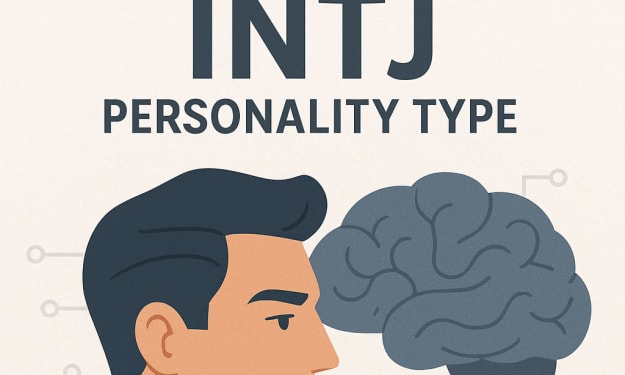
Understanding the INTJ Personality Type . AI-Generated.
Some people drift through life reacting to what happens. Others plan, analyze, and build. And then there are the INTJs — the architects of thought, the quiet masterminds who live several steps ahead of the present moment.
By Moody Wonder12 months ago in Psyche
How EMDR helped me become more peaceful with my Past…but left me with me in the Present.
There’s a wellness tool for just about everything these days. Flotation tanks, cold plunges, CBT, DBT, gratitude journals, breathwork, yoga, journalling, medication, meditation, crystals, herbal, holistic, homoeopathic...You name it, I’ve tried it. Some worked a little, some not at all, and most just reminded me how deeply annoying it is to try and meditate when your brain is busy replaying a drunk argument from 2016 while worrying if your Hello Fresh delivery driver thinks you’re rude.
By Chelsea Branch12 months ago in Psyche
How Does Critical Thinking Help Teachers?
In today’s fast-changing educational landscape, teachers face more than just the challenge of finishing a syllabus or grading assignments. They are mentors, problem-solvers, and lifelong learners. To succeed in this dynamic environment, one skill stands out above the rest critical thinking.
By Zeeshan Ahmad12 months ago in Psyche