
Why do superheroes look gay
Why Do Superheroes Look Gay? Unpacking the Aesthetics of Modern Heroism

If you've scrolled through social media or watched recent superhero trailers, you've likely encountered a recurring comment: "Why do superheroes look gay now?" It's a question that appears under everything from new Superman reveals to Marvel's costume redesigns. While often phrased as a joke or a critique, beneath the surface lies a fascinating conversation about how masculine presentation has evolved, what we associate with queerness, and how superhero aesthetics have changed to reflect modern sensibilities.
Let's be clear from the start: superheroes aren't inherently gay because of how they look. But the question itself reveals something interesting about our cultural assumptions regarding gender expression, fashion, and what we expect from male heroes.
The Evolution of the Male Heroic Body
To understand why some people perceive modern superheroes as "looking gay," we need to look at how the male heroic ideal has transformed over decades.
The Golden Age (1930s-1940s): Early superheroes like the original Superman had powerful but relatively modest physiques. Their costumes were practical, almost circus-like tights and trunks worn over the body. The focus was on action and justice, not aesthetics.
The Silver and Bronze Ages (1950s-1980s): Heroes became more athletic but still maintained a certain innocence. The physiques were strong but not exaggerated. Costumes remained functional rather than fashionable.
The Modern Era (1990s-Present): Everything changed. Heroes became hyper-muscular, with bodies that seemed carved from marble. Costumes became sleeker, tighter, and more detailed. The male body went from being a vehicle for heroism to being part of the spectacle itself.
This shift toward celebrating the male form as something beautiful and desirable is relatively new in mainstream culture. For much of history, male beauty was either ignored or coded as explicitly homosexual. When straight culture began embracing the aesthetic male body, the lines blurred.
The Rise of the Metrosexual Hero
The 1990s and early 2000s saw the emergence of the "metrosexual" a straight man comfortable with grooming, fashion, and caring about his appearance. This cultural shift had a massive impact on how male heroes were portrayed.
- Suddenly, heroes had:
- Styled hair instead of simple cuts
- Defined jawlines and clear skin
- Fitted costumes that showed off their bodies
- Emotional vulnerability alongside physical strength
These traits had previously been coded as feminine or gay. When straight men adopted them, it created confusion. The line between "well-groomed heterosexual" and "stereotypically gay-presenting" became blurry.
What We Associate with "Looking Gay"
When people say a superhero "looks gay," they're usually referring to a specific set of visual cues that our culture has learned to associate with queer masculinity:
Grooming and Presentation: Clean-shaven or carefully maintained facial hair, styled hair products, manicured appearances. The idea that a "real man" shouldn't spend time on his appearance persists in some circles.
Fashion Choices: Tight clothing that emphasizes the body's shape, bright colors, patterns, or anything beyond basic neutral tones. Superhero costumes have always been tight, but modern versions are often more tailored and body-conscious.
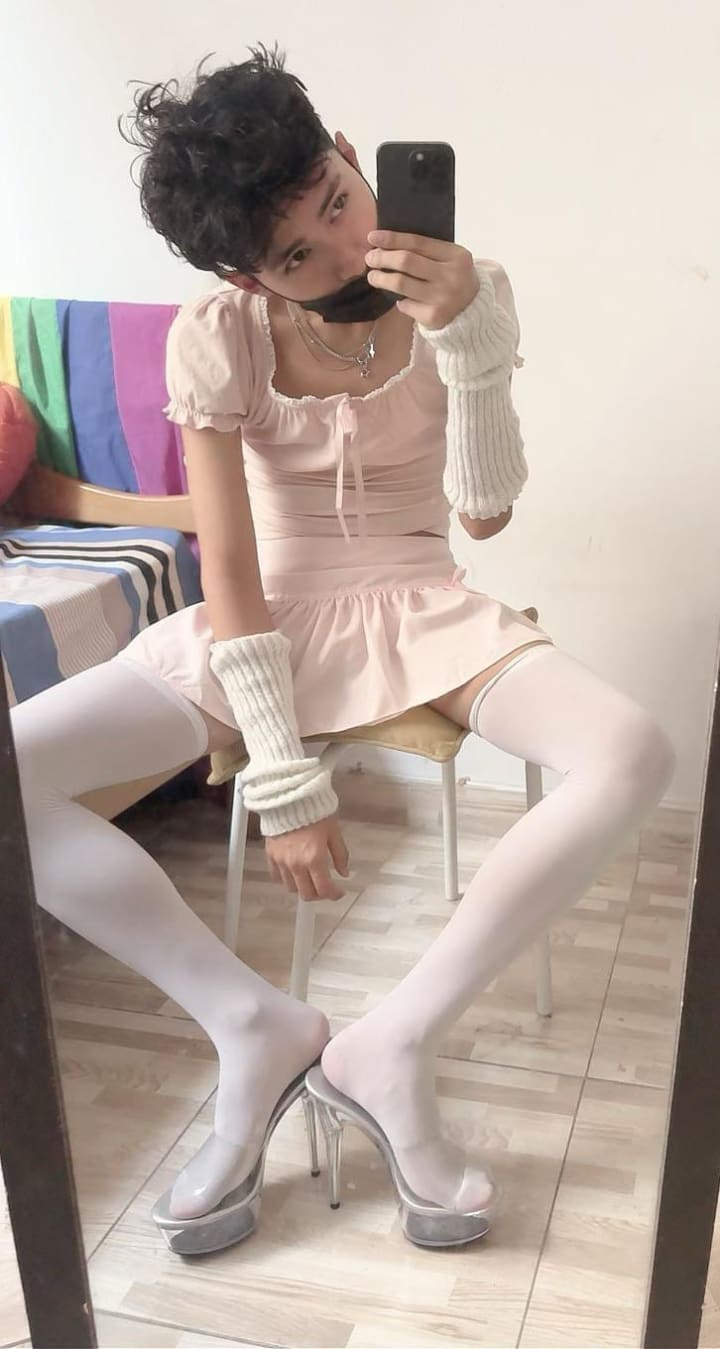
Emotional Expression: Characters who smile, cry, show fear, or express love openly. Traditional masculinity demanded stoicism. Modern heroes are allowed to feel things.
Physical Beauty: Simply being considered handsome or attractive. There was a time when male attractiveness was discussed quietly. Now it's celebrated openly.
None of these traits actually indicate someone's sexuality. They're cultural signifiers we've learned to associate with queerness, often based on stereotypes rather than reality.
The Chris Pine Effect: Straight Men Who Break Stereotypes
Consider actors like Chris Pine, Paul Rudd, or Ryan Reynolds. All are straight, married to women, and fathers. Yet all have been the subject of "is he gay?" speculation based largely on their demeanor, grooming, and comfort with their own attractiveness.
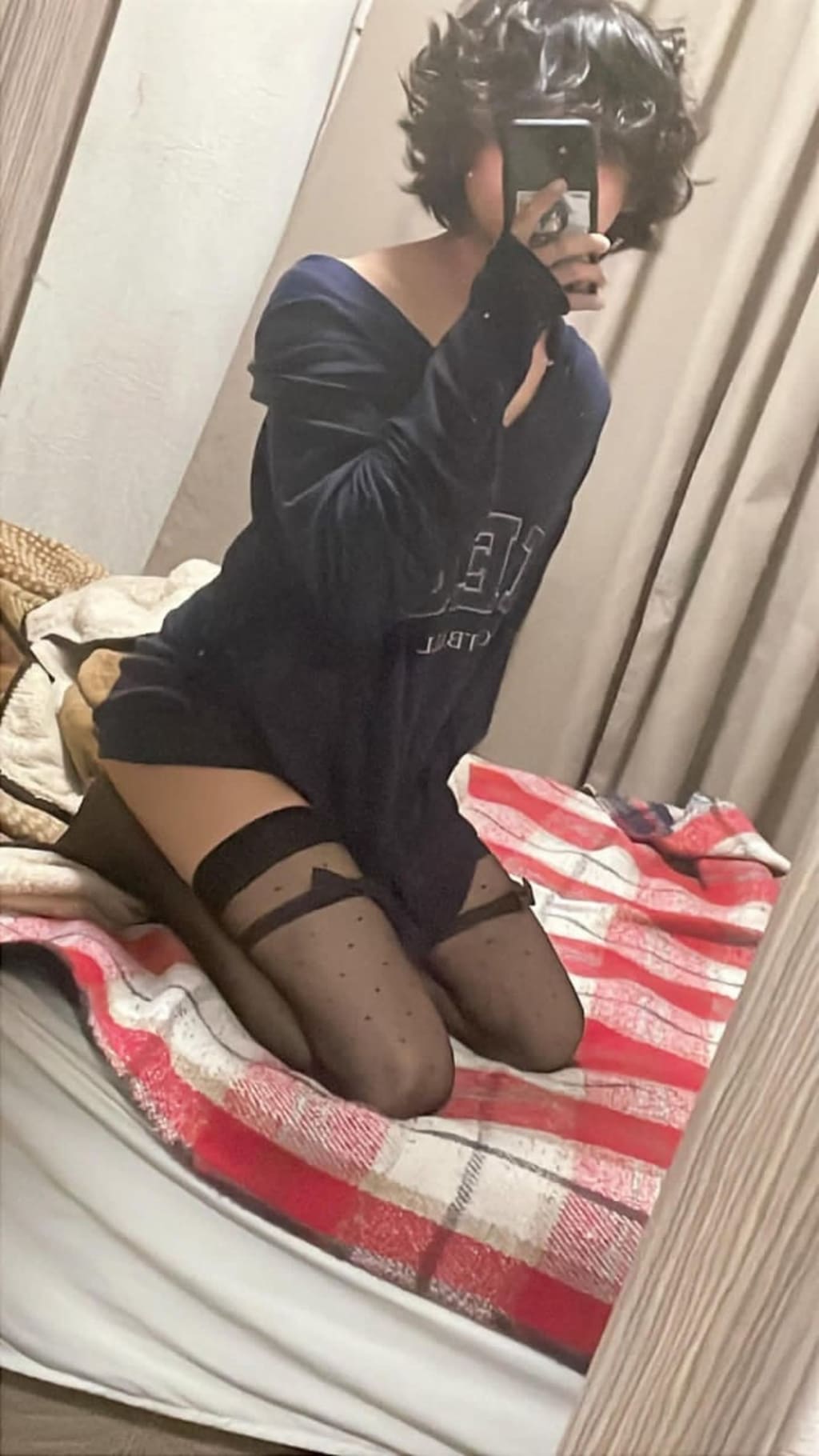
These men represent a new kind of straight masculinity one that isn't threatened by appearing polished, kind, or emotionally available. They've helped normalize the idea that straight men can enjoy fashion, take care of their skin, and express affection for other men without it meaning anything about their sexuality.
Superheroes portrayed by such actors or designed with similar aesthetics naturally inherit this ambiguity.
The Costume Question: Function Meets Fashion
Superhero costumes have always been ridiculous if you think about them too hard. Bright colors, capes, masks, skin-tight materials none of these are practical. But they're part of the genre's language.
Modern costume design has leaned into this theatricality rather than away from it. Designers understand that superheroes are, on some level, drag performances of masculinity and heroism. They're putting on a persona, complete with costume, makeup (through lighting and camera angles), and performance.
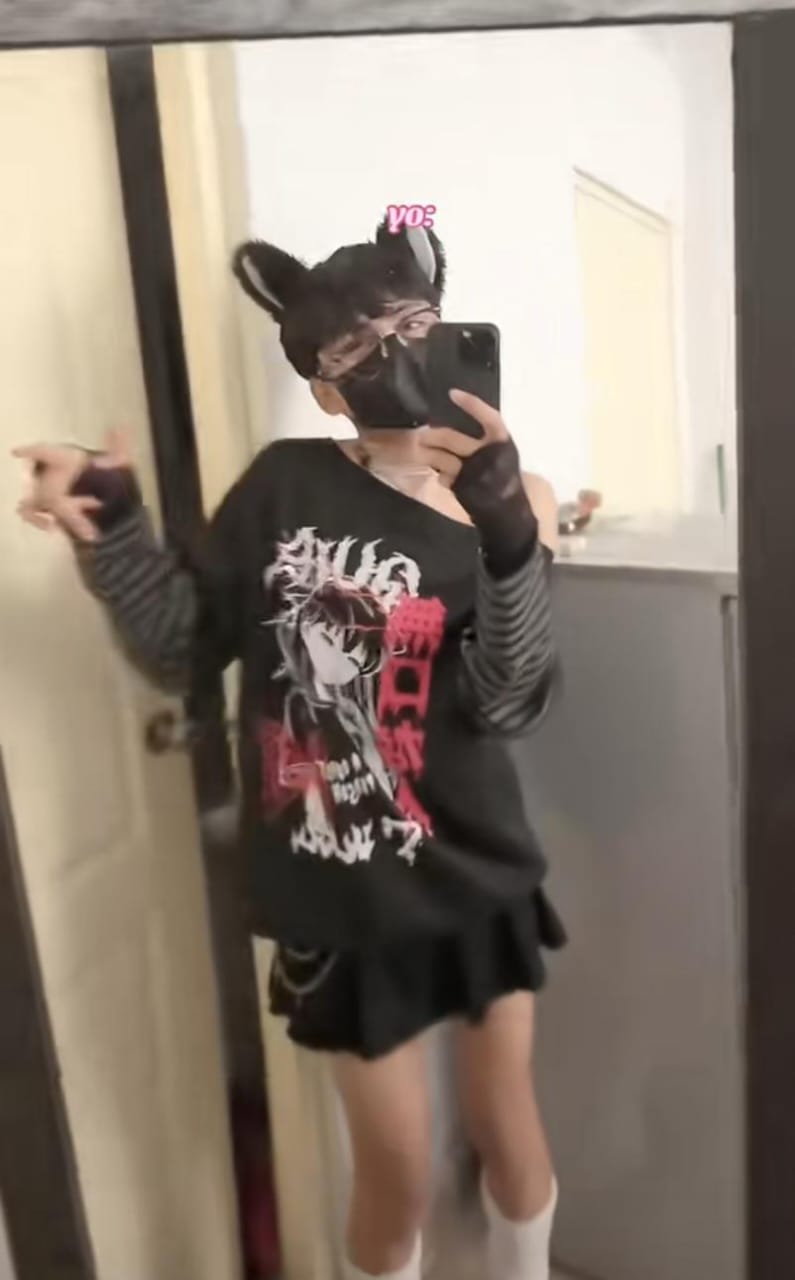
This awareness of performance the acknowledgment that heroes are "dressed up" creates a parallel with drag culture. When you see a hero in a perfectly fitted suit with sculpted hair and dramatic lighting, it's not surprising that some viewers make the connection.
The Fan Art Feedback Loop
An interesting phenomenon has amplified this perception: fan art. Queer fans have always been enthusiastic creators of superhero content, often reimagining straight characters in same-gender relationships or emphasizing homoerotic elements already present in the source material.
This fan content circulates online, sometimes becoming as visible as official material. For casual observers, the line between "fan interpretation" and "official character depiction" blurs. When they see endless images of Superman and Batman in romantic poses, it shapes their perception of the characters even if those images aren't canon.
The Fear of the "Other"
Let's be honest about part of what's happening here. When some people ask "why do superheroes look gay?" there's often an undercurrent of discomfort. Not necessarily homophobia, but unease with changing standards of masculinity.
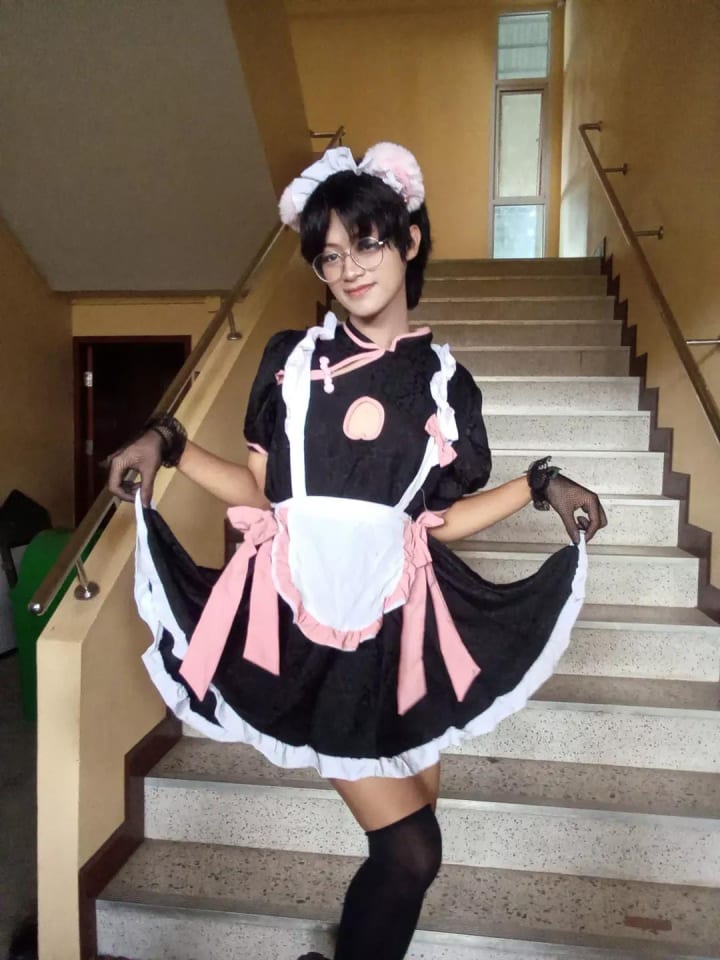
For generations, boys were taught that being a man meant being tough, unemotional, rugged, and unconcerned with appearance. Now they see heroes who are all those things but also beautiful, groomed, and emotionally intelligent. This challenges deeply held beliefs about what men should be.
Labeling these heroes as "gay" becomes a way to dismiss or distance oneself from an unfamiliar version of masculinity. If a hero looks gay, the thinking goes, then straight men don't have to measure up to that standard. It's someone else's ideal, not ours.
The Truth: Heroes Look Like Modern Men
Here's what the question gets backwards: superheroes don't look gay. They look like modern men men who groom themselves, care about their appearance, express emotions, and appreciate beauty. That some people associate these traits exclusively with gay men says more about outdated stereotypes than about the heroes themselves.
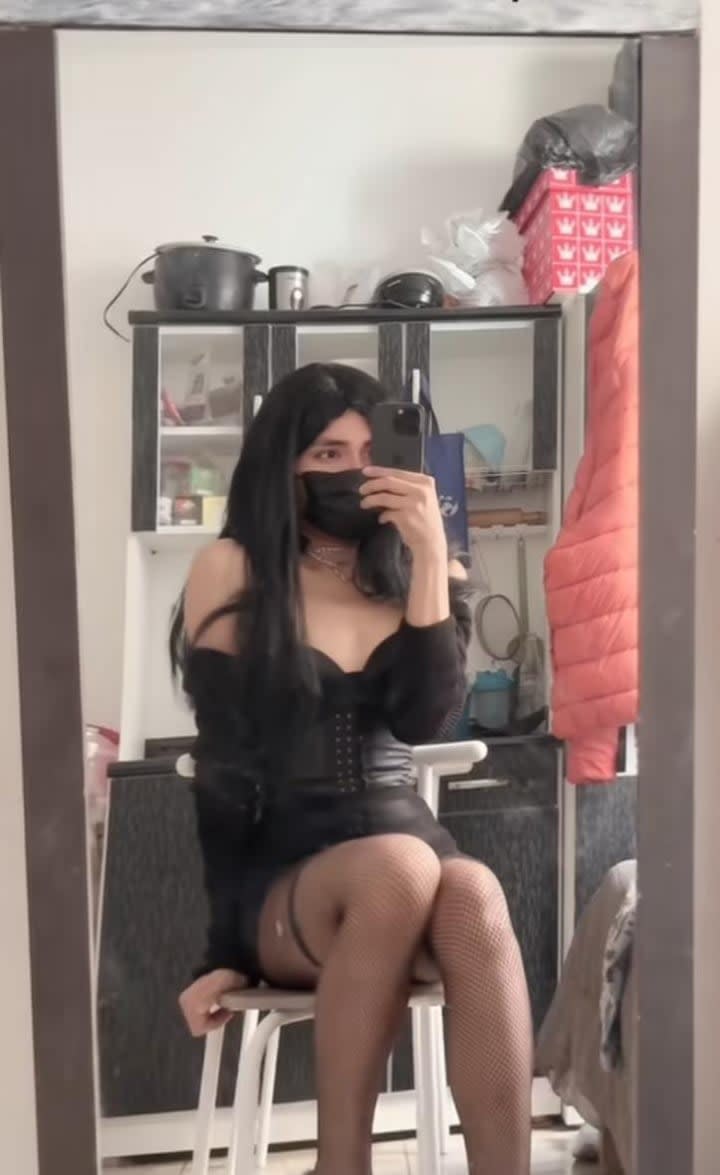
The modern straight man can be well-dressed, well-groomed, emotionally available, and physically beautiful. These aren't queer traits. They're human traits that queer people simply embraced earlier because they had less to lose by defying conventions.
Superheroes have always represented ideals. Today's ideal man isn't a rugged cowboy who never bathes. He's someone strong enough to be gentle, confident enough to care about his appearance, and secure enough in his masculinity that he doesn't need to prove it by rejecting anything that might seem "soft."
The Characters Who Started the Conversation
Certain heroes have become frequent subjects of this speculation:
Superman (Henry Cavill version): With his sculpted physique, perfectly styled hair, and brooding good looks, Cavill's Superman became an immediate target. Never mind that the character has been explicitly heterosexual for over 80 years.
Thor (Chris Hemsworth): Long hair, muscular build, emotional storylines about love and loss. Thor went from Norse god to romantic lead, and his appearance became more polished with each film.
Captain America (Chris Evans): The all-American hero with his perfect jawline, tight costume, and earnest emotional sincerity. Evans leaned into the "himbo" energy, and audiences responded by questioning his character's sexuality.
Batman (Robert Pattinson): Pattinson brought a brooding, almost romantic energy to Batman that felt different from previous interpretations. His Batman is beautiful in a way that feels intentional.
None of these characters are gay in their primary canon depictions. But they all represent a version of masculinity that includes beauty, grooming, and emotional depth traits we're still learning to accept in straight men.
Beyond the Binary: Queer Heroes Exist Too
It's also worth noting that superhero media now includes actual LGBTQ+ characters. Some heroes are explicitly gay, bisexual, or queer. This is progress, not a conspiracy.
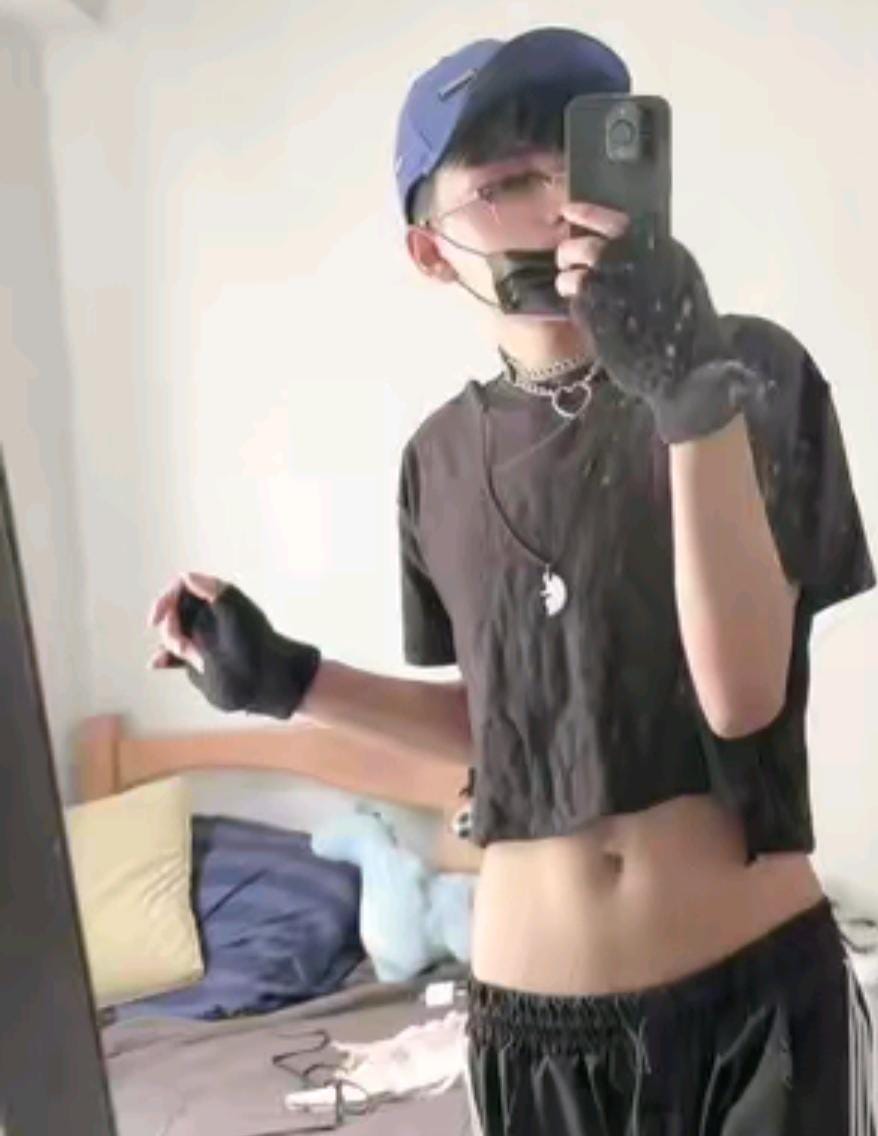
When audiences see more queer representation, they may start noticing elements they previously overlooked or imagining connections that don't exist. The presence of actual gay heroes makes some viewers more likely to see queerness everywhere, including where it isn't intended.
Conclusion: The Question Says More About Us
So why do superheroes look gay? They don't, really. They look like modern men men who have been freed from some of the more restrictive elements of traditional masculinity. If that resembles certain stereotypes about gay men, it's because gay men were simply ahead of the curve in rejecting those restrictions.
The real question isn't about superheroes. It's about why we still associate grooming, beauty, emotional expression, and self-care with queerness. It's about why straight men feel threatened by appearing "too polished." It's about why we need to label unfamiliar versions of masculinity as "other" rather than simply accepting them as different.
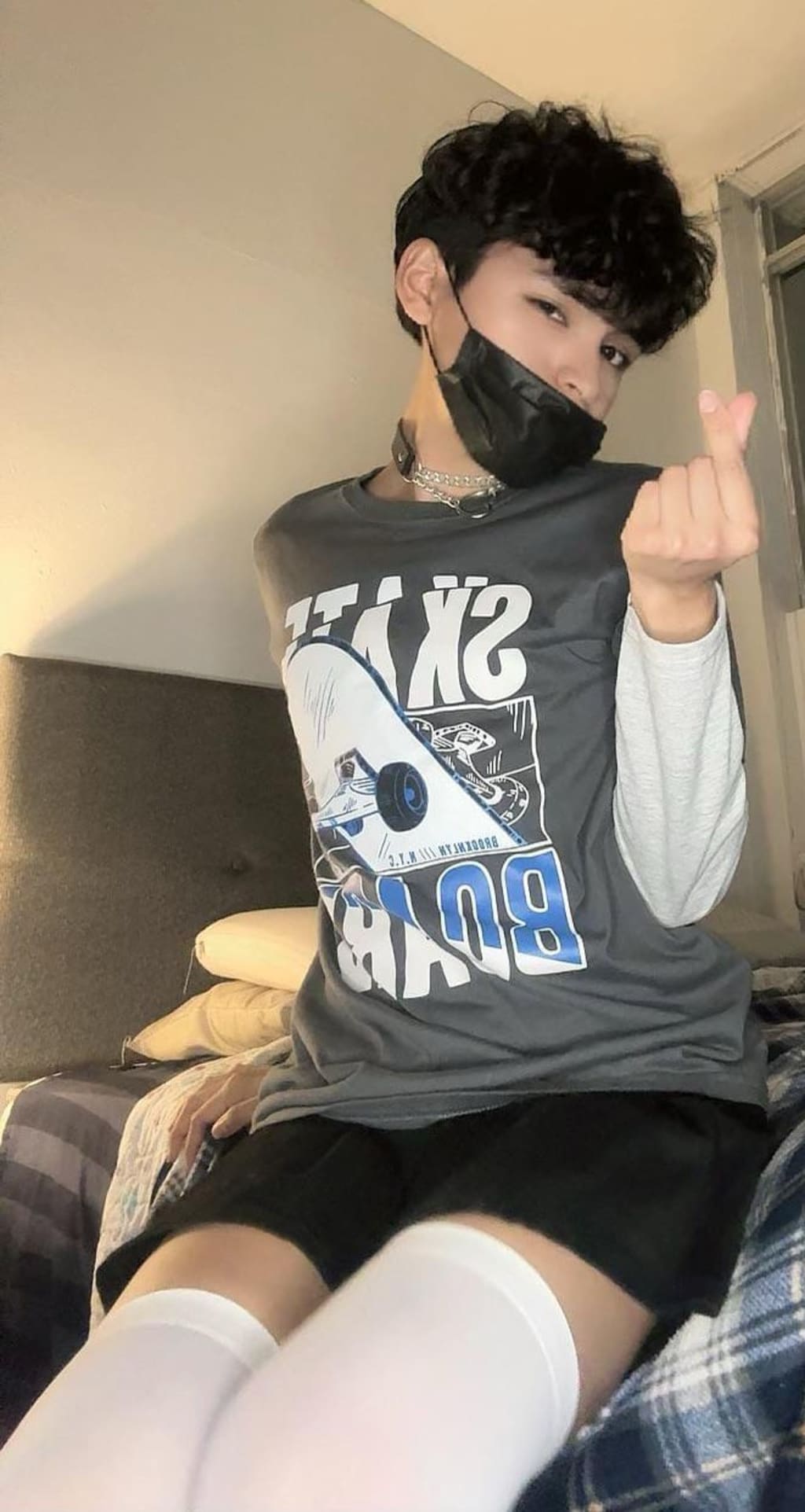
Superheroes reflect who we want to be. If today's heroes look different from yesterday's, that's because we've changed. We want our heroes to be strong enough to be gentle, confident enough to be beautiful, and secure enough to care about how they look. That's not gay. That's just human.
And maybe just maybe that's a more heroic ideal than anything we've had before.
About the Creator
David Femboy
David here. Sharing my authentic femboy journey the outfits, the lessons, the life. For anyone exploring gender expression. Let’s redefine masculinity together. 💖
Enjoyed the story? Support the Creator.
Subscribe for free to receive all their stories in your feed.
Comments
There are no comments for this story
Be the first to respond and start the conversation.