
Pride Month 2026 Feels Different in a Changing World
Every June carries emotion, memory, and reflection for millions of people around the world.

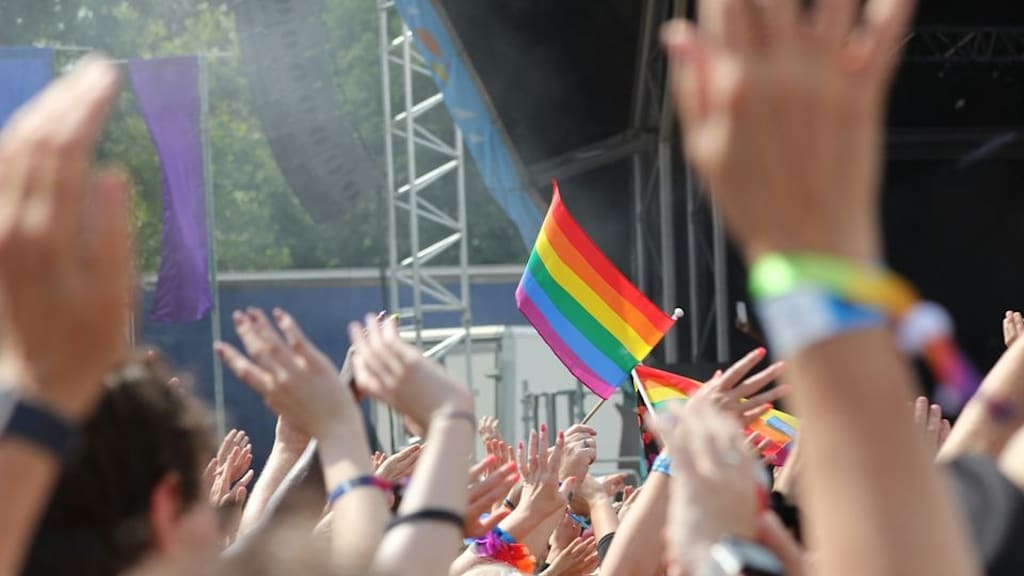
Every June carries emotion, memory, and reflection for millions of people around the world. Pride Month is not only about colorful parades or social media posts. For many, it represents survival, identity, fear, love, and the hope of being accepted without conditions. As pride month 2026 approaches, conversations feel more emotional than ever. Some people are celebrating progress. Others feel worried about growing political tension, cultural division, and online hostility. Younger generations are speaking more openly about identity, while older generations remember times when silence felt necessary for safety. This emotional contrast makes Pride Month 2026 deeply personal for many communities. It is becoming more than a celebration. It is turning into a moment of reflection about visibility, belonging, and what acceptance truly means in today’s world.
Why Pride Month Still Matters in 2026
Some people ask why Pride Month continues to exist after decades of activism and social progress.The answer is emotional as much as political.
For many LGBTQ+ individuals, acceptance still depends heavily on where they live, who surrounds them, and how safe they feel expressing themselves openly.
One person may live comfortably in a supportive city while another hides their identity from family members or coworkers.This difference matters deeply.
Pride Month exists because visibility continues to matter.
The Emotional Weight of Visibility
Visibility sounds simple on the surface.
In reality, it carries emotional risk.
For many people, being openly LGBTQ+ still means facing judgment, family conflict, discrimination, or online harassment.
That pressure affects mental health in powerful ways.
Pride Month creates a space where many individuals feel less alone.
Walking through a Pride event, seeing rainbow flags in public spaces, or hearing supportive conversations can create emotional relief for people who spend much of the year hiding parts of themselves.
Even small moments matter.
A teenager seeing acceptance publicly for the first time may remember that feeling for years.
That emotional impact often gets overlooked during political debates surrounding Pride events.
How Pride Month Has Changed Over the Years
Pride celebrations today look very different compared to earlier decades.
The earliest Pride marches carried a much heavier atmosphere of protest and resistance. Many participants faced social rejection, workplace discrimination, or even physical danger simply for attending.
Over time, Pride events became larger and more public.
Major cities began hosting parades, concerts, festivals, and community gatherings. Businesses started participating. Public officials appeared openly at events.
For some people, this growth represented social progress.
For others, it created mixed feelings.
Some longtime activists worry that commercial branding sometimes overshadows the original emotional and political meaning of Pride.
This conversation continues shaping pride month 2026 discussions online and offline.
Social Media and Pride Month 2026
Social media now plays a massive role in how Pride Month is experienced.
Platforms like TikTok, Instagram, and X influence conversations almost instantly.
This creates both positive and negative effects.
On one side, LGBTQ+ creators can share stories, advice, humor, and support with global audiences. Many young people discover communities online before finding acceptance in real life.
This digital connection can feel life-changing.
But social media also intensifies conflict.
Pride-related posts often attract aggressive arguments, misinformation, and targeted harassment.
The emotional pressure of online hostility affects many LGBTQ+ users deeply.
Younger Generations Are Changing the Conversation
One major difference in recent years is how openly younger generations discuss identity.
Teenagers and young adults today often speak more freely about gender identity, sexuality, and mental health than previous generations.
This openness reflects cultural shifts in schools, media, and online communication.
However, openness does not always mean comfort.
Many young people still fear rejection from parents, religious communities, or social circles.
Some experience intense pressure online where identity discussions become public debates.
Even so, younger generations continue pushing conversations forward.
Their willingness to speak openly is shaping how pride month 2026 will be experienced culturally.
Why Pride Can Feel Emotional for Older Generations
Older LGBTQ+ individuals often experience Pride Month differently.
For many, Pride carries memories of secrecy, fear, and social exclusion.
Some remember periods when openly discussing sexuality could cost someone their job, housing, or relationships.
Others lost friends during the HIV/AIDS crisis and carry emotional grief connected to earlier decades of activism.
Because of this history, Pride Month can feel deeply emotional rather than purely celebratory.
A parade may remind someone of how far society has changed.
It may also remind them of people who never lived long enough to experience greater acceptance.
These emotional layers are an important part of pride month 2026 conversations.
Pride Month and Mental Health
Mental health remains closely connected to LGBTQ+ experiences.
Research and personal stories consistently show that rejection, bullying, discrimination, and social isolation can increase emotional struggles.
Anxiety and depression often grow when individuals feel forced to hide their identity.
Pride Month cannot solve these problems completely.
But visibility and support can help reduce emotional isolation.
Community events, support groups, and open conversations create spaces where people feel seen.
Even small gestures of acceptance can matter enormously.
For example, a supportive teacher, friend, sibling, or coworker may completely change someone’s emotional experience during difficult periods of life.
The Debate Around Corporate Participation
Every year, businesses participate in Pride Month through rainbow branding and public campaigns.
Some people appreciate this visibility.
Others criticize it heavily.
Critics argue that some corporations support Pride publicly during June while avoiding meaningful support for LGBTQ+ workers or communities during the rest of the year.
This creates accusations of performative activism.
At the same time, supporters argue that widespread public participation reflects broader cultural acceptance.
The debate has become more intense in recent years.
As pride month 2026 approaches, discussions about authenticity versus marketing are expected to continue.
Pride Events Mean Different Things to Different People
Not everyone experiences Pride the same way.
For some, Pride is joyful celebration.
For others, it feels political.
Some attend marches demanding social change.
Others simply want to feel accepted in public without fear.
A young person attending their first Pride event may experience emotional relief after years of hiding.
Meanwhile, another attendee may quietly reflect on decades of personal struggle.
These different emotional experiences coexist within the same events.
That complexity is part of why Pride Month remains culturally significant.
The Global Reality of LGBTQ+ Rights
While some countries have expanded LGBTQ+ protections, others continue enforcing harsh restrictions.
In certain parts of the world, individuals still face imprisonment, violence, or severe discrimination because of their identity.
This global reality shapes pride month 2026 conversations strongly.
People living in safer environments often use Pride Month to raise awareness about communities facing danger elsewhere.
For LGBTQ+ individuals living under restrictive systems, online Pride visibility may become one of the few available sources of emotional support.
The internet has connected communities across borders in powerful ways.
Yet it has also exposed global inequalities more clearly.
Why Pride Month Sparks Political Arguments
Pride Month increasingly sits at the center of cultural and political debates.
Supporters view Pride visibility as necessary for equality and emotional safety.
Critics sometimes argue that Pride messaging has become too political or too present in public life.These debates often become emotionally heated because they involve identity, values, religion, education, and public culture.
Unfortunately, online arguments rarely leave space for empathy.
People often reduce deeply personal experiences into political slogans.
This creates emotional exhaustion for many LGBTQ+ individuals who simply want to exist openly without becoming subjects of constant public debate.
The Role of Families During Pride Month
Family acceptance often shapes LGBTQ+ experiences more deeply than public policy.
A supportive family can create emotional stability even in difficult environments.
Rejection from loved ones, however, can leave long-lasting emotional wounds.
During Pride Month, many people reflect heavily on family relationships.
Some celebrate supportive parents or siblings.
Others quietly grieve relationships damaged by rejection or misunderstanding.
This emotional reality is often hidden beneath colorful public celebrations.
Yet it remains one of the most important parts of Pride Month emotionally.
Why Representation in Media Still Matters
Representation in movies, television, music, and online content continues influencing public attitudes.When LGBTQ+ characters appear realistically in media, audiences often develop greater understanding and empathy.
For many young viewers, representation also creates emotional validation.
Seeing someone with similar experiences can reduce feelings of invisibility.
At the same time, representation debates remain controversial.
Some audiences feel modern media focuses too heavily on identity politics.
Others argue authentic representation is still limited or stereotypical.
These conversations continue shaping pride month 2026 cultural discussions.
Pride and Religion Often Create Emotional Conflict
For many LGBTQ+ individuals, religion creates deeply personal emotional conflict.
Some grow up in faith communities that reject or condemn same-sex relationships or gender diversity.
This can create painful internal struggles between identity and belief.
Others find supportive religious communities that embrace LGBTQ+ members openly.
The emotional experience varies widely.
Pride Month often intensifies these feelings because identity becomes more publicly discussed during June.
Many individuals continue searching for ways to balance spirituality, family expectations, and personal authenticity.
Why Some People Feel Pride Fatigue
Not everyone reacts positively to Pride Month visibility.
Some people feel overwhelmed by constant corporate campaigns, online arguments, or social pressure during June.
This reaction is sometimes called Pride fatigue.
For LGBTQ+ individuals themselves, exhaustion can also happen emotionally.
Constant debates about identity, rights, and acceptance can feel draining year after year.
People want to celebrate joyfully without defending their existence repeatedly.
This emotional exhaustion has become part of modern Pride discussions.
Pride Month 2026 and the Future of Acceptance
As pride month 2026 approaches, one major question remains:
What does acceptance truly look like?
For some people, acceptance means legal protections and equal rights.
For others, it means emotional safety in daily life.
Being able to hold a partner’s hand publicly.
Feeling accepted by family.
Going to school without fear of bullying.
Living openly without constant anxiety.
These everyday experiences matter deeply.
True acceptance is not only political.
It is emotional, social, and personal.
Why Human Connection Matters Most
At its core, Pride Month is about human connection.
People want to feel seen, understood, and accepted without hiding parts of themselves.
That desire is universal.
Behind every Pride discussion are real individuals carrying memories, fears, hopes, and emotional experiences.
Some people attend Pride events smiling openly for the first time in years.
Others quietly watch from a distance, still unsure whether they feel safe enough to participate.
Both experiences are real.
Both deserve empathy.
Conclusion
Pride month 2026 arrives during a period of emotional complexity around identity, visibility, and public culture.
For some, Pride remains joyful celebration.
For others, it is a reminder of painful history, ongoing struggle, or emotional isolation.
Yet despite disagreements and political tension, one truth remains clear: people continue searching for belonging.
That emotional search explains why Pride Month still matters deeply across generations and communities.
At its heart, Pride is not simply about parades, branding, or internet debates.
It is about human beings wanting the freedom to exist honestly without fear.
That desire continues shaping Pride Month in powerful ways as the world moves through 2026.
About the Creator
Muqadas khan
Hi! Welcome to my Vocal page. I’ll be sharing fresh articles every day covering stories, ideas, and a bit of inspiration to brighten your feed. Thanks for reading and supporting daily writing! 📖💫
Enjoyed the story? Support the Creator.
Subscribe for free to receive all their stories in your feed.
Comments
There are no comments for this story
Be the first to respond and start the conversation.