
Ibne Saud; The Desert Warrior Who Created The Kingdom Of Saudi Arabia
Oil, Diplomacy, and the Future

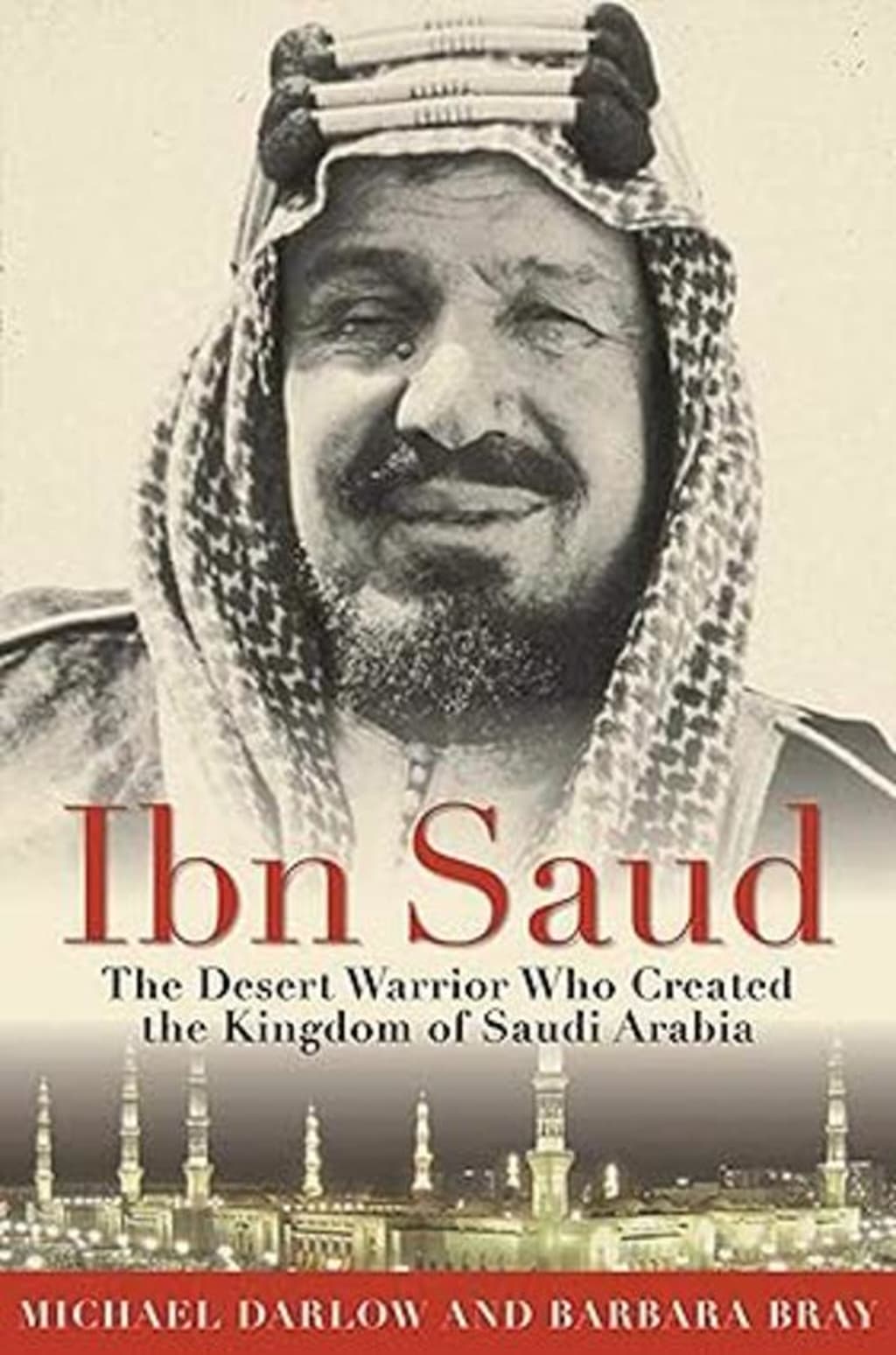
In the vast and unforgiving deserts of the Arabian Peninsula, where survival itself was a daily challenge, a young boy grew up with a vision that seemed almost impossible. That boy would later become Abdulaziz Ibn Saud, the man who united scattered tribes, defeated rival powers, and laid the foundation of what we now know as the Kingdom of Saudi Arabia.
Born in Exile, Raised in Fire
Abdulaziz Ibn Saud was born in 1875 in Riyadh, into the powerful Al Saud family. However, his early life was far from royal comfort. When he was just a child, his family lost control of Riyadh to their rivals, the Al Rashid clan. Forced into exile, the young Abdulaziz moved with his family to Kuwait City.
Life in exile shaped him. He grew up hearing stories of lost glory, of a kingdom that once belonged to his ancestors. These weren’t just tales—they became his mission. While other boys his age played, Abdulaziz trained. He learned the art of war, tribal politics, leadership, and survival in the harsh desert environment.
The Dream of a Lost Kingdom
The Arabian Peninsula at the time was not a unified nation. It was a patchwork of tribes, alliances, and rivalries. Power shifted constantly, and loyalty was often temporary. Amid this chaos, Abdulaziz saw an opportunity—not just to reclaim his family's rule, but to unify the region under a single banner.
At just 26 years old, he decided to act.
The Daring Capture of Riyadh
In 1902, Abdulaziz led a small group of around 40 warriors on a bold and risky mission: to recapture Riyadh. This was not just a military move—it was a statement.
Under the cover of night, he and his men entered the city. In a dramatic confrontation at the Masmak Fortress, Abdulaziz personally led the attack that resulted in the defeat of the Rashidi governor. This moment marked the beginning of a new era.
The capture of Riyadh wasn’t just a victory—it was the spark that ignited a decades-long campaign to unify Arabia.
From Tribal Leader to Unifier
After securing Riyadh, Abdulaziz didn’t stop. Over the next three decades, he embarked on a relentless journey across the Arabian Peninsula. He forged alliances, led battles, and gradually expanded his control.
One of his key strengths was understanding tribal dynamics. Instead of ruling through fear alone, he built loyalty through respect, shared faith, and strategic marriages. His leadership style blended diplomacy with decisive action.
He also aligned himself with religious reform movements, strengthening his legitimacy and uniting tribes under a shared belief system.
Faith, Strategy, and Survival
Religion played a central role in Abdulaziz’s rise. His alliance with Islamic scholars gave his campaign a deeper purpose beyond politics. It wasn’t just about power—it was about unity under faith.
But faith alone wasn’t enough. Abdulaziz was a master strategist. He knew when to fight and when to negotiate. He adapted to changing circumstances, whether facing tribal rebellions or external threats like the weakening Ottoman Empire.
His resilience in the face of adversity became legendary. Defeats did not stop him—they refined his approach.
Battles That Forged a Nation
Abdulaziz’s journey was filled with critical battles that shaped the future of Arabia. He defeated rival tribes and consolidated control over key regions like Najd and Al-Hasa.
One of the most significant milestones was his conquest of the Hejaz in the 1920s, which included the holy cities of Mecca and Medina. This victory elevated his status not just as a political leader, but as a guardian of Islam’s holiest sites.
By the late 1920s, Abdulaziz controlled most of the Arabian Peninsula.
The Birth of Modern Saudi Arabia
In 1932, after years of conflict, negotiation, and unification, Abdulaziz officially declared the formation of the Kingdom of Saudi Arabia.
This was more than a political achievement—it was the creation of a nation from a fragmented land.
For the first time, the Arabian Peninsula had a centralized government. Laws were established, borders were defined, and a sense of national identity began to form.
Leadership Beyond the Battlefield
Abdulaziz was not just a warrior—he was a nation-builder. After unification, his focus shifted to development.
He worked to stabilize the economy, improve infrastructure, and establish governance systems. One of his most important decisions was to open the country to foreign investment, particularly in oil exploration.
This decision would change the future of Saudi Arabia forever.
Oil, Diplomacy, and the Future
The discovery of oil in the late 1930s transformed Saudi Arabia from a desert kingdom into a nation of global importance. Abdulaziz partnered with international companies, laying the groundwork for what would become one of the world’s largest oil industries.
He also established diplomatic relations with major powers, positioning Saudi Arabia on the global stage.
Despite rapid change, Abdulaziz remained deeply connected to his roots. He balanced modernization with tradition, ensuring that development did not come at the cost of cultural identity.
The Legacy of a Desert Warrior
Abdulaziz Ibn Saud passed away in 1953, but his legacy lives on.
He is remembered as the founder of modern Saudi Arabia, a leader who turned vision into reality. His journey from exile to king is one of determination, courage, and strategic brilliance.
Today, Saudi Arabia stands as a major global power, and its foundations trace back to one man’s dream—a dream born in the desert, forged in battle, and realized through unwavering resolve.
Conclusion
The story of Ibn Saud is not just history—it is a testament to what vision, leadership, and perseverance can achieve. In a land defined by harsh conditions and constant संघर्ष, he created unity where there was division and built a nation where there was none.
He was not just a king. He was a builder of destiny—a true desert warrior whose impact continues to shape the world today.
About the Creator
Enjoyed the story? Support the Creator.
Subscribe for free to receive all their stories in your feed.
Comments
There are no comments for this story
Be the first to respond and start the conversation.