
Pox Romana
a meditation on entropy
Entropy is a thermodynamic property of all substances that is proportional to their degree of disorder. The greater the number of possible microstates for a system, the greater the disorder and the higher the entropy.
*all attribution at end of poem
.
woke up screaming again last night
what is our world coming to these days
when nothing ever turns out right?
._.
in my dream the universe thinning
galaxies drifting into invisibility
stars burned out, planets disintegrating
the death of all things - maximum entropy
._.
modern fates cruelly sever life’s sacred threads
now that private equity owns everything
no more affordable housing or lifesaving meds

hurtling a lone meteor through time
everything and everyone lost I ever loved
wondering am I the last of my kind
every prayer and petition ignored?
._.
the symbols of decay laying round about
even the nation's reflecting pool
reduced to putrid steaming swamp
._.
tumbling alone head over heels
while every hope within me slowly died
and yet heaven's bells did not peal
nor the last trump give its reckoning cry

perhaps a smelly algae bloom
is in the natural order of things
its disintegration a portent of doom
._.
but as I cried out in solitary despair
awakening with a start and a shout
you touched my shoulder with loving care
and I cast the sheets in frenzy all about
._.
woke up screaming again last night
you comforting, pressed at my side
the dream’s terror still gripped me tight
._.
I cannot live without you, said I, yet fearing
ruthless entropy will have the final say
our prime long past, how might we delay feeling
life’s pulse and meaning fade slowly to gray?
._.
the east wing looks like someone dropped a bomb
perhaps a metaphor for American decline?
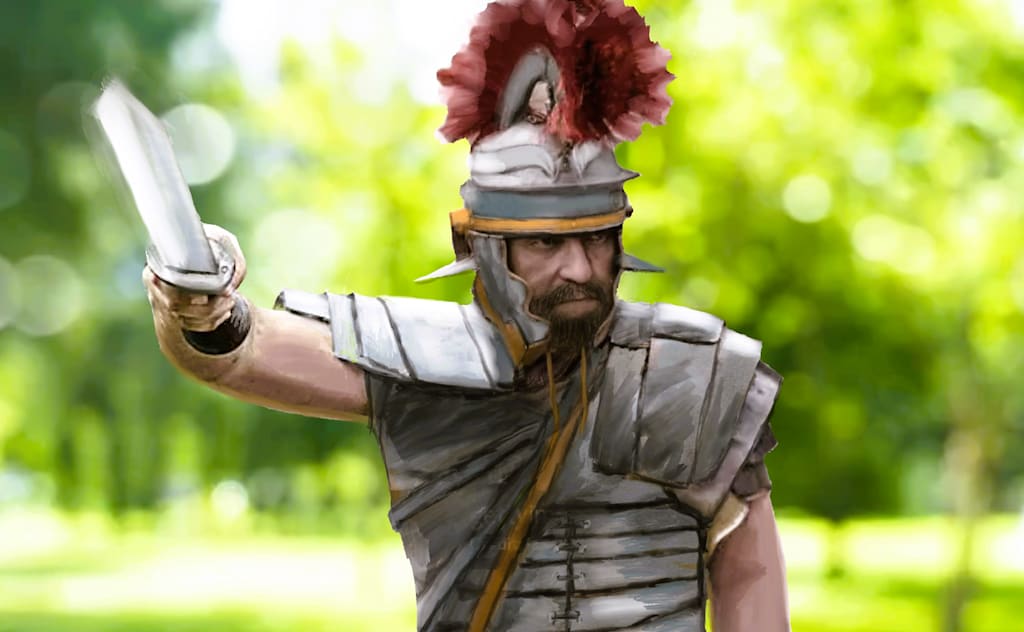
Roman gladiators fighting on its lawn

you hugged me in the terrifying dark
the scare lasting till peace I might again know
wishing that death’s wiles we may outsmart
rather than fattening maggots in the earth below
._.
greed and hate transmuted our leaders to frauds
our children's future they blatantly squander
while the world starves, they make enemies abroad
._.
a still small voice called out of life’s haven
together we heard the prophetic word given
for everything there is a season,
and a time for every purpose under heaven
._.
our leaders at the billionaires beck and call
this burden we and our children are forced to bear
everyone knows, they will never pay at all
._.
long lay we awake after the midnight hour struck
hand in hand, a connection only sleep will fray
a time to break down, and a time to build up
a time to keep, and a time to cast away
._.
woke up screaming again last night

Attribution:
LibreTextsTM Quote link: https://chem.libretexts.org/Courses/California_State_University_Chico/General_Chemistry_112/06%3A_Gibbs_Energy_and_Thermodynamics/6.03%3A_Entropy_and_the_Second_Law_of_Thermodynamics
Text also features selected quotes from Ecclesiastes 3: 1-8, Authorized King James Version
Painting: A Golden Thread - 1885, detail; John Melhuish Strudwick, The Tate Gallery, London
Photo: East Wing of the White House after demolition; Pedro Ugarte/AFP via Getty
Author’s notes:
Pax Romana translated from the Latin means Roman Peace, a roughly 200-year age from 27 BCE to 180 CE, beginning with the rule of Emperor Augustus. This did not mean an absence of war within the empire but rather a peace maintained through widespread conquest and suppression of revolts.
Pox Romana. Although intended as an ironic title referring to American imperial ambitions as a Roman curse, it is also a book by historian Colin Elliott - Pox Romana: The Plague That Shook the Roman World - about the Antonine Plague (c. 165–180 AD), a pandemic that devastated the Roman Empire at its peak of power, marking what some historians believe was the end of the Pax Romana.
Crossing the Rubicon. The Rubicon River served as the official northern boundary of Italy. Roman law strictly forbade any general from bringing an armed army across this river, as doing so was considered an act of treason and a declaration of war against the Republic. Julius Caesar broke that law when he crossed it with his legions after his campaigns in Gaul. In the modern day it metaphorically refers to crossing a line of no return.
About the Creator
John Cox
Where would you like to travel? Who would you like to meet? No ticket required, a surprise at every destination guaranteed. Strap on your time travel goggles and bring a compass. It's sometimes bumpy in my imagination, so hold on tight!
Enjoyed the story? Support the Creator.
Subscribe for free to receive all their stories in your feed. You could also become a paid subscriber, letting them know you appreciate their work.
Comments
There are no comments for this story
Be the first to respond and start the conversation.