vet
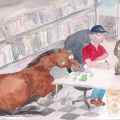
A veterinarian is just a doctor that treats furry, cute patients.
Omar's Diary 18th July 2026
Well, this has been some summer this year and still the heat goes on. Back in the spring I was taken to the vets as the Servants were concerned about the state of my mental health. My symptom was that I would start, what they refer to as "yeowling" at odd hours of the night. I was checked over at the surgery, diagnosed with an early stage dementia and sent home with some pills.
By Alan Russell3 months ago in Petlife
The Role of Koi Fish in Feng Shui Design
In the fast-paced world of 2026, creating a home environment that promotes peace, mental clarity, and financial growth has become a top priority for families and professionals. While there are countless interior design styles available, ancient philosophies like Feng Shui provide valuable guidance on arranging our living spaces to harmonize with the natural energy or "Chi" around us. Among the symbols used in Feng Shui to attract good fortune, none are more vibrant or respected than the iconic Koi fish.
By Mike Savage New Canaan5 months ago in Petlife
The Ultimate Guide to Homemade Dog Food for Sensitive Stomachs: Recipes Vets Recommend
For dogs with sensitive stomachs, mealtime can be a daily challenge. Vomiting, diarrhea, and general discomfort often make feeding time stressful for both pets and their owners. While commercial dog foods offer convenience, they frequently contain fillers, artificial preservatives, and high-fat ingredients that can exacerbate digestive issues. Fortunately, homemade meals can provide a simple, healthy, and highly effective solution. By focusing on easily digestible ingredients and nutrient-rich combinations, you can support your dog’s gut health, improve stool consistency, and even reduce allergy-related reactions.
By Lynn Myers5 months ago in Petlife
Dog Throwing Up Yellow? 7 Causes & When to Worry
Your dog throwing up yellow is almost always vomiting bile, a digestive fluid produced by the liver and gallbladder that can signal anything from a harmless empty stomach to a life-threatening blockage, and as a veterinarian who has guided countless worried pet parents through this exact scenario, I can tell you that while a single, isolated episode of yellow vomit in an otherwise bouncy, hungry dog rarely spells disaster, repeated episodes, especially when paired with lethargy, pain, or refusal to eat, demand swift veterinary intervention because the root cause could be bilious vomiting syndrome, pancreatitis, food allergies, Addison’s disease, or even an intestinal obstruction, and knowing precisely how to distinguish a minor hiccup from a major crisis is the key that saves lives, spares families thousands in emergency bills, and restores peace to your home before panic takes hold.
By Kamel Saidani6 months ago in Petlife
Can Cats Eat Without Teeth? Care Tips Every Owner Needs
Many cat owners worry when their feline companion loses teeth, whether due to age, dental disease, or injury. A common question that arises is: can cats eat without teeth? The good news is that cats are incredibly adaptable animals. Even without teeth, they can still eat, thrive, and live a comfortable life with proper care and diet adjustments.
By Web2.0 Backlinks6 months ago in Petlife
Are Maine Coon Cats Hypoallergenic? 10 Myths And Truths
Are Maine Coon Cats Hypoallergenic? 10 Myths You Should Stop Believing Maine Coon cats are one of the most breeds in the world. Their large size, fluffy fur, and friendly personality make them irresistible. But many people wonder: are Maine Coon cats hypoallergenic?
By Anna Smith7 months ago in Petlife
Everything You Need To Know About The Calico Tabby Cat
Calico Tabby Cat: Everything You Need to Know About This Unique Feline If you’ve ever seen a calico tabby cat, you probably noticed how special and eye-catching it looks. With a mix of beautiful colors and striped patterns, these cats are truly one of a kind. But there’s more to them than just their appearance.
By Anna Smith7 months ago in Petlife
Save Capron Zoo Before It’s Too Late
Some places quietly become part of who we are. They’re not always world-famous landmarks or sprawling tourist destinations. Instead, they’re places woven into everyday life–the ones where kids press their faces against exhibit glass in wonder, where families stroll on warm afternoons, and where generations share simple moments.
By Jenna Deedy7 months ago in Petlife
Wisteria Woo RIP. Top Story - March 2026. Content Warning.
Wisteria Woo Silver~Rhodesian Ridgeback Cane Corso mix~ 7.19.15-3.2.26 My service dog, Wisteria, had been slowing down, having mysterious health symptoms like severe hives and unexplained injury. She went to the vet last month, but unfortunately, not all tests detect all problems. When we returned to the vet yesterday, upon much more concerning symptoms suddenly appearing, we learned she had a very large mass (10inx10in) likely the very aggressive hemangiosarcoma, and that we would only be buying a few months if we went through with treatment.
By K.B. Silver 8 months ago in Petlife
Capuchin Monkey Assaulted at City Zoo: Viral Video Triggers Animal Welfare Investigation
Outrage and Reflection After Monkey Assault Incident at City Zoo In a disturbing incident that has sparked widespread anger and renewed calls for stricter enforcement of animal protection rules, a visitor at a local zoo was caught on camera striking a monkey inside its enclosure. The event, which unfolded on a busy weekend afternoon, has triggered an internal investigation, possible criminal charges, and a broader community conversation about how humans interact with animals in captivity. According to zoo officials, the incident occurred near the primate habitat during peak visiting hours. Witnesses reported seeing an adult visitor lean over a protective barrier and reach into a section of the enclosure where a young capuchin monkey was perched near the glass viewing area. Within moments, the individual allegedly struck the monkey before staff intervened. A bystander’s cellphone video, which quickly circulated on social media, shows the monkey recoiling and retreating to the back of the enclosure. The footage also captures the swift response of zoo personnel, who arrived within seconds and escorted the visitor away from the exhibit. Zoo representatives later confirmed that the monkey was examined immediately by on-site veterinary staff. Fortunately, no serious physical injuries were detected. However, animal care specialists noted that even brief aggressive encounters can cause stress and behavioral disruption for primates. Immediate Response Zoo management issued a statement within hours of the incident, condemning the behavior and reiterating its commitment to animal welfare. “We are deeply disturbed by what occurred,” the statement read. “Our animals depend on us—and on the respect of our visitors—for their safety and well-being. This type of conduct is unacceptable.” Security officers removed the individual from the property, and local authorities were contacted. Police confirmed they are reviewing surveillance footage and witness statements to determine whether charges related to animal cruelty, trespassing, or disorderly conduct will be filed. The zoo also announced that it is conducting an internal review to assess whether additional safeguards are necessary. While barriers and signage were already in place, officials are considering enhancements such as increased staffing during peak hours, clearer warning signs, and potential structural modifications to prevent physical reach into enclosures. Why Such Incidents Matter Though isolated, incidents like this highlight an important issue: animals in zoos are particularly vulnerable to human misconduct. Unlike wild animals that can escape or defend themselves, zoo animals live in controlled environments designed to balance visibility for educational purposes with safety. Primates, especially capuchins, are intelligent and highly social creatures. They are also sensitive to stress. Sudden aggression from a human—even if brief—can affect their behavior, appetite, and social dynamics within their group. Animal welfare experts emphasize that zoo animals rely on predictable routines. “Any unexpected or threatening interaction can have psychological consequences,” explained one wildlife behavior specialist. “Even if there are no visible injuries, stress responses can linger.” The incident also raises concerns about public understanding of zoo boundaries. While many visitors respect posted rules, a small number may underestimate the seriousness of reaching into enclosures or attempting physical interaction. The Role of Social Media The viral spread of the video intensified public reaction. Within hours, thousands of users had shared the clip, expressing outrage and calling for accountability. Many commenters questioned how the visitor was able to reach the animal at all, while others demanded stricter penalties. While social media can amplify awareness, it also highlights the delicate balance zoos must maintain between accessibility and security. Modern zoo design often incorporates open viewing spaces and glass panels to foster educational engagement. However, such openness can sometimes create opportunities for misconduct if individuals choose to ignore clear boundaries. Zoo officials acknowledged the role of public vigilance in responding quickly. “We are grateful to the guests who immediately alerted our staff,” a spokesperson said. “Community awareness helps us protect the animals.” Legal and Ethical Implications Animal cruelty laws vary by jurisdiction, but intentionally striking an animal in a controlled setting can carry significant penalties. Legal experts note that even if the animal was not seriously injured, the act itself may constitute cruelty under state statutes. Beyond legal consequences, the ethical implications are equally important. Zoos operate under strict animal care standards, often accredited by professional organizations that mandate comprehensive welfare protocols. Visitors, by purchasing tickets, implicitly agree to follow posted rules designed to uphold those standards. Incidents like this challenge the trust between institutions and the public. Zoos depend on community support to fulfill their educational and conservation missions. When a visitor violates that trust, it not only endangers animals but also undermines broader conservation messaging. The Bigger Picture: Human–Animal Boundaries This event underscores a broader societal issue: the misconception that animals in managed environments are somehow less deserving of personal space or respect. In reality, zoo animals are not domesticated pets. They remain wild species with complex behaviors and instincts. Capuchin monkeys, in particular, are known for their intelligence and curiosity. They often approach viewing areas out of interest in visitors. However, this natural curiosity does not equate to consent for physical interaction. Educational programs at zoos frequently emphasize the importance of observing animals without interfering. Many facilities include signage explaining why feeding, touching, or tapping on glass can be harmful. Nevertheless, incidents continue to occur, often due to impulsive behavior or a desire for attention. Experts argue that education must go beyond signs. Interactive talks, staff presence, and clear communication about consequences may help deter misconduct. Community Reaction Local residents have expressed both anger and concern. Some are calling for lifetime bans for individuals who harm animals, while others are urging the zoo to review its infrastructure. Parents who frequent the zoo with children say the incident provides a teaching moment. “It’s important for kids to see that actions have consequences,” one parent said. “Animals deserve respect, whether they’re in the wild or in a zoo.” Animal advocacy groups have also weighed in, urging the public to remember that zoo animals are ambassadors for their species. “These animals play a role in conservation and education,” one advocate stated. “Protecting them is a shared responsibility.” Moving Forward
By Pets and animals 8 months ago in Petlife
Creating a Senior Dog-Friendly Home: Small Changes, Big Comfort
Watching our beloved dogs enter their golden years brings a mix of emotions. These faithful companions who once bounded up stairs and chased every squirrel now move with measured steps, their graying muzzles and gentle eyes telling stories of years filled with loyalty and love. Arthritis may stiffen their joints, their vision might become cloudy, and their hearing could diminish. These changes don't mean their quality of life has to suffer.
By BBS Writing Team8 months ago in Petlife