
The Ultimate Guide to Homemade Dog Food for Sensitive Stomachs: Recipes Vets Recommend
Digestive-Friendly Meals That Keep Your Pup Healthy, Happy, and Free From Upset Tummies


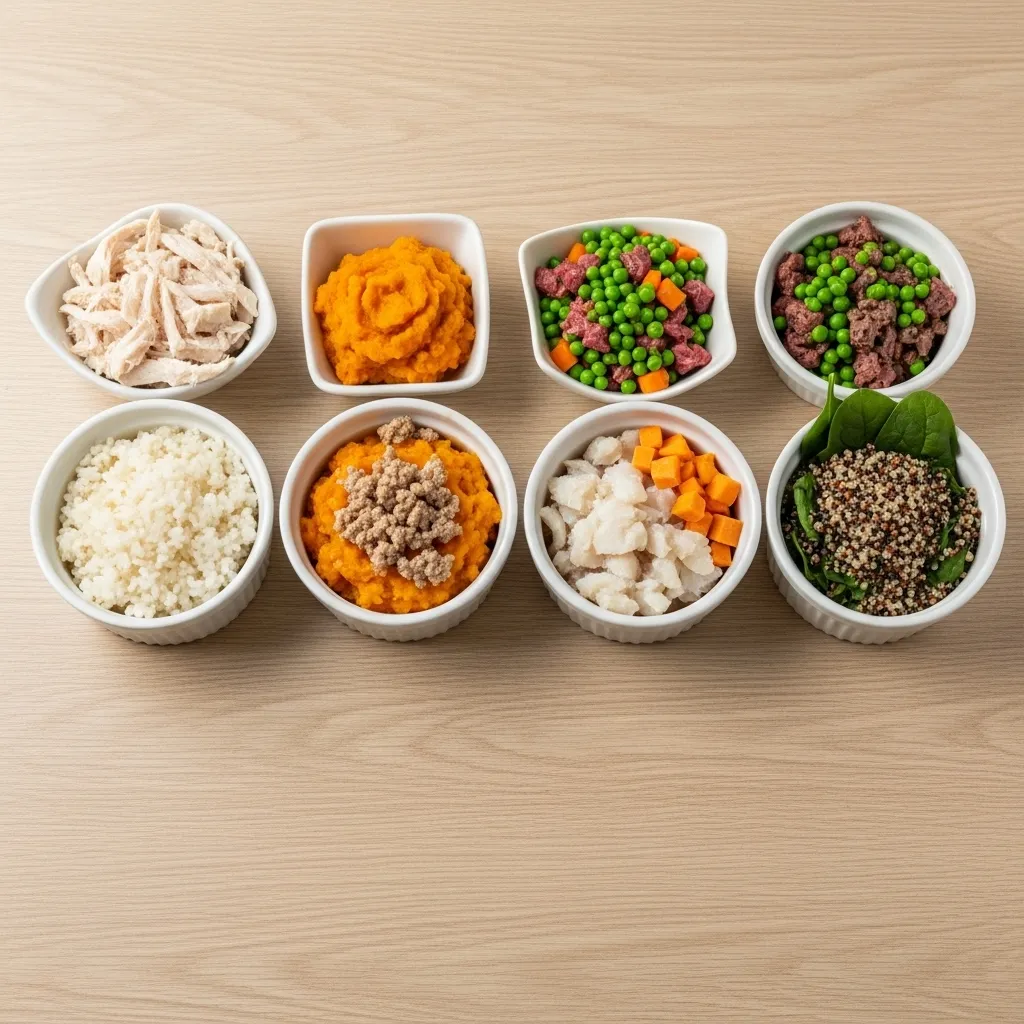
For dogs with sensitive stomachs, mealtime can be a daily challenge. Vomiting, diarrhea, and general discomfort often make feeding time stressful for both pets and their owners. While commercial dog foods offer convenience, they frequently contain fillers, artificial preservatives, and high-fat ingredients that can exacerbate digestive issues. Fortunately, homemade meals can provide a simple, healthy, and highly effective solution. By focusing on easily digestible ingredients and nutrient-rich combinations, you can support your dog’s gut health, improve stool consistency, and even reduce allergy-related reactions.
Why Homemade Meals Work for Sensitive Stomachs
Sensitive stomachs in dogs can result from food intolerances, allergies, or underlying medical conditions. Common triggers include dairy, high-fat meats, certain grains, and artificial additives. Homemade diets allow you to control every ingredient your dog consumes, ensuring meals are gentle, digestible, and nutritionally balanced. Simple cooking methods — boiling, steaming, or poaching — preserve nutrients while avoiding harsh spices, oils, or seasoning that may upset your dog’s gut.
Essential Ingredients for Gut-Friendly Meals
The cornerstone of any homemade diet for sensitive dogs is simple, whole foods. These ingredients provide energy and protein without irritating the digestive system:
1. Boiled Chicken and White Rice:

One of the most widely recommended combinations by veterinarians. Chicken is lean, easily digestible protein, while white rice is gentle on the stomach and helps firm stools. Serve in small, frequent portions while gradually mixing it with your dog’s usual food to ease the transition.
2. Lean Ground Turkey and Pumpkin:

Pumpkin is rich in soluble fiber, which can regulate bowel movements and soothe digestive irritation. Mixing lean turkey with plain pumpkin creates a high-protein, fiber-rich meal suitable for dogs with allergies or sensitive tummies.
3. Poached White Fish and Mashed
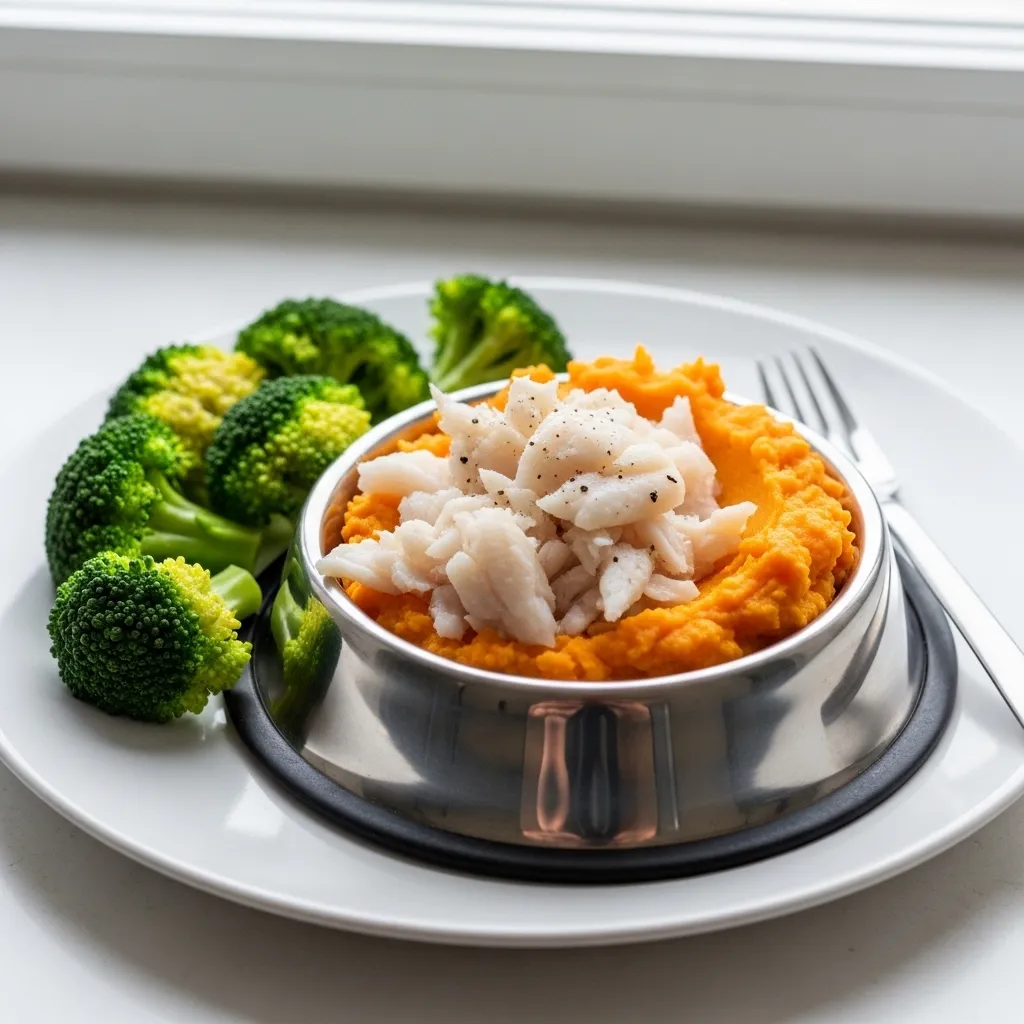
Sweet Potatoes: For dogs with chicken or beef sensitivities, white fish like cod or tilapia provides a low-fat protein source. Sweet potatoes are easy to digest and full of vitamins and minerals, making this an excellent alternative.
4. Oatmeal and Scrambled Eggs:

Soft, warm oatmeal is soothing for upset stomachs and provides complex carbohydrates, while eggs supply high-quality protein. Ensure the eggs are fully cooked and unsalted.
5. Bone Broth and Rice Porridge:
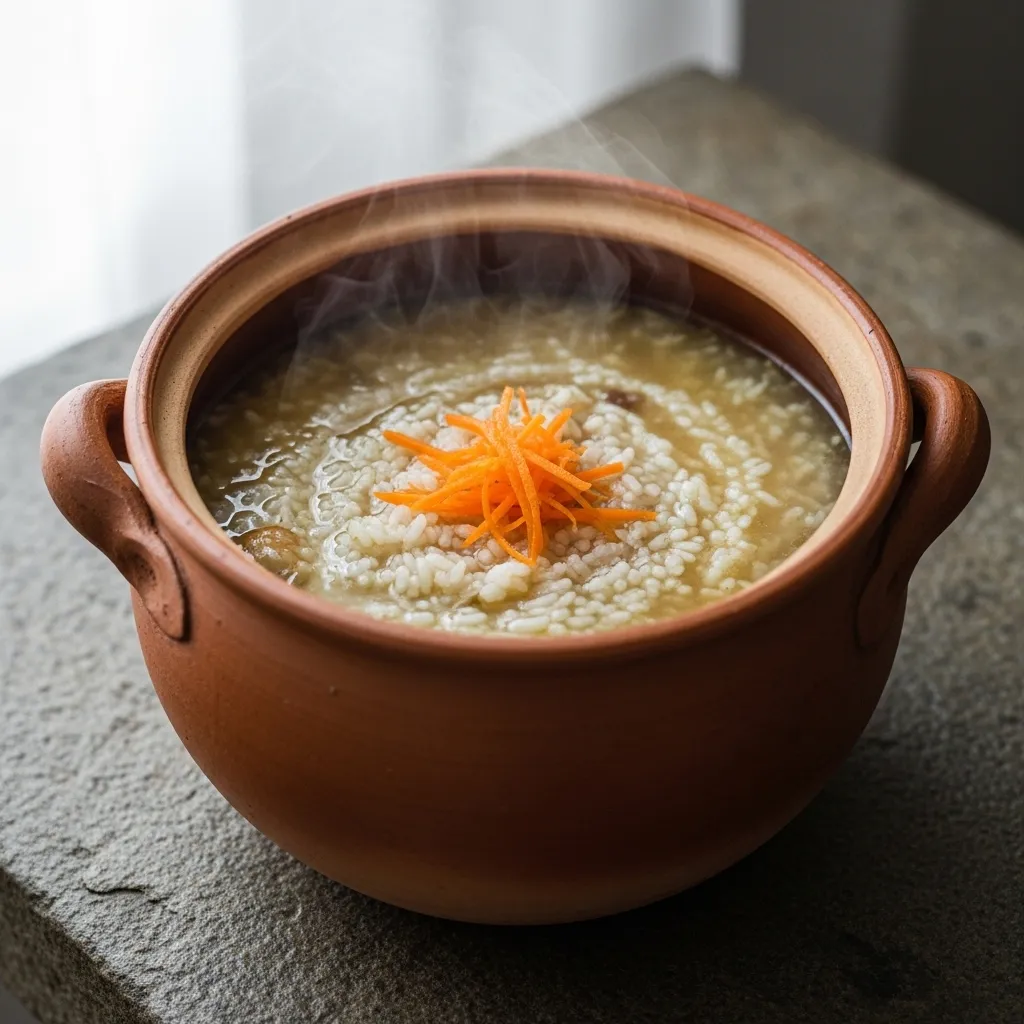
Bone broth is hydrating, rich in natural collagen, and promotes gut health. Combined with plain rice porridge, it creates a nutrient-dense, soft meal perfect for dogs recovering from digestive upset.
6. Low-Fat Cottage Cheese with Brown Rice:
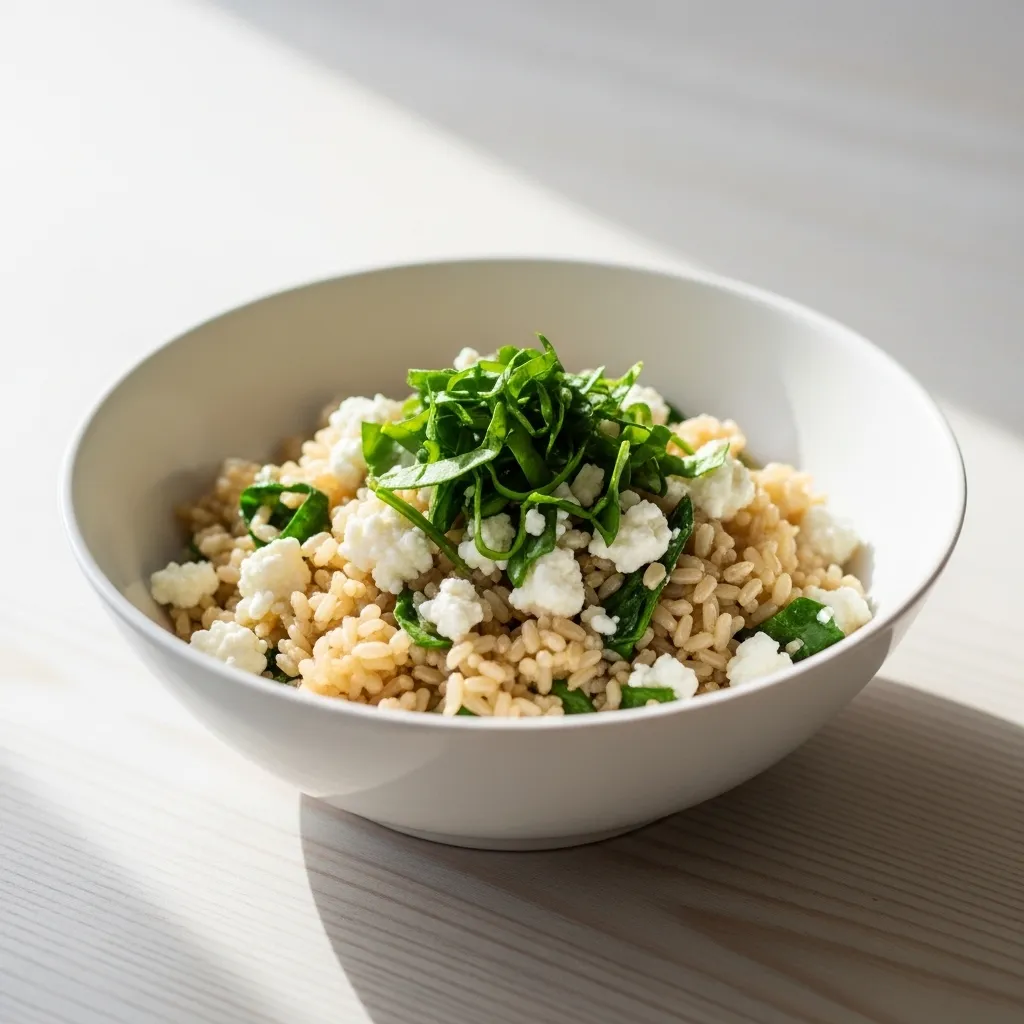
For dogs tolerant of dairy, low-fat cottage cheese adds protein and probiotics, which aid digestion. Mix with brown rice for a mild, balanced meal.
7. Lean Beef and Soft Carrots:
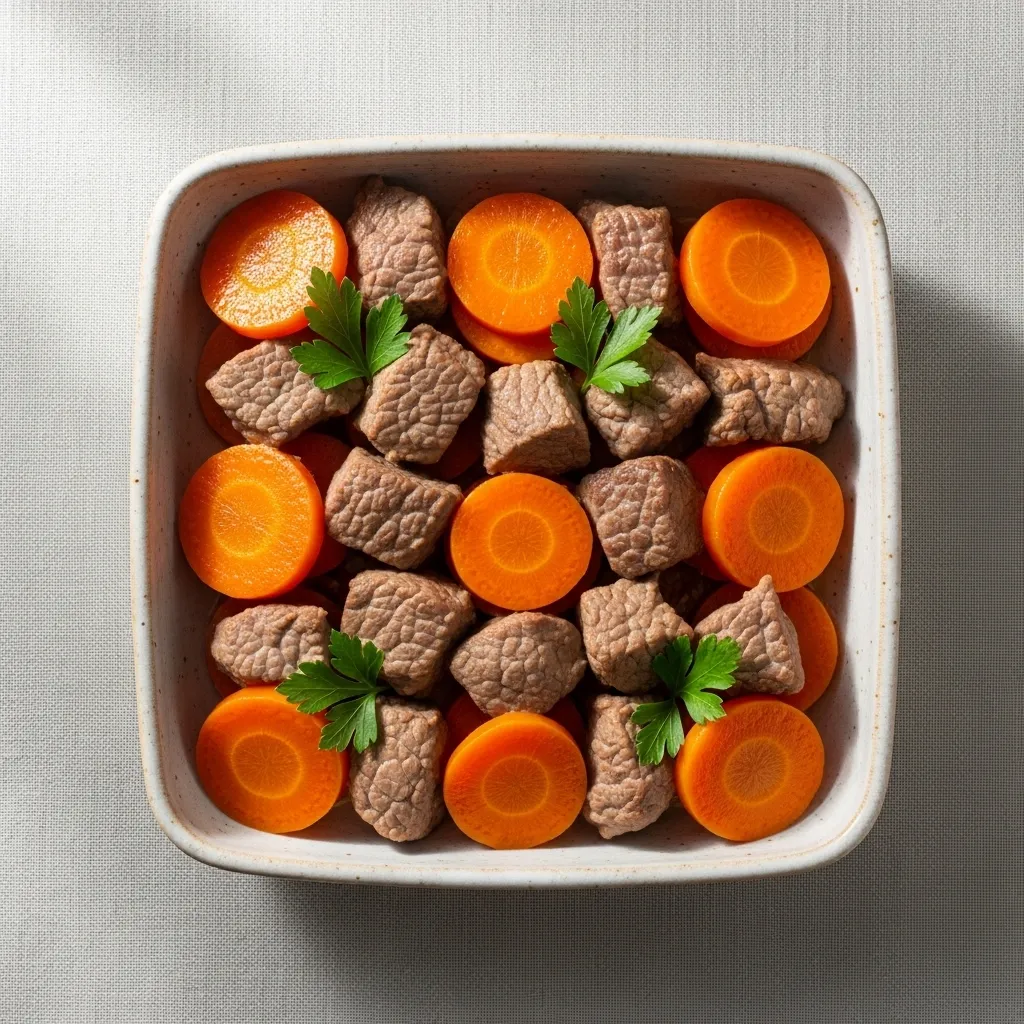
Boiled or steamed beef with soft, cooked carrots provides vitamins and minerals while remaining gentle on the stomach. Carrots also offer fiber and antioxidants, supporting overall digestive and immune health.
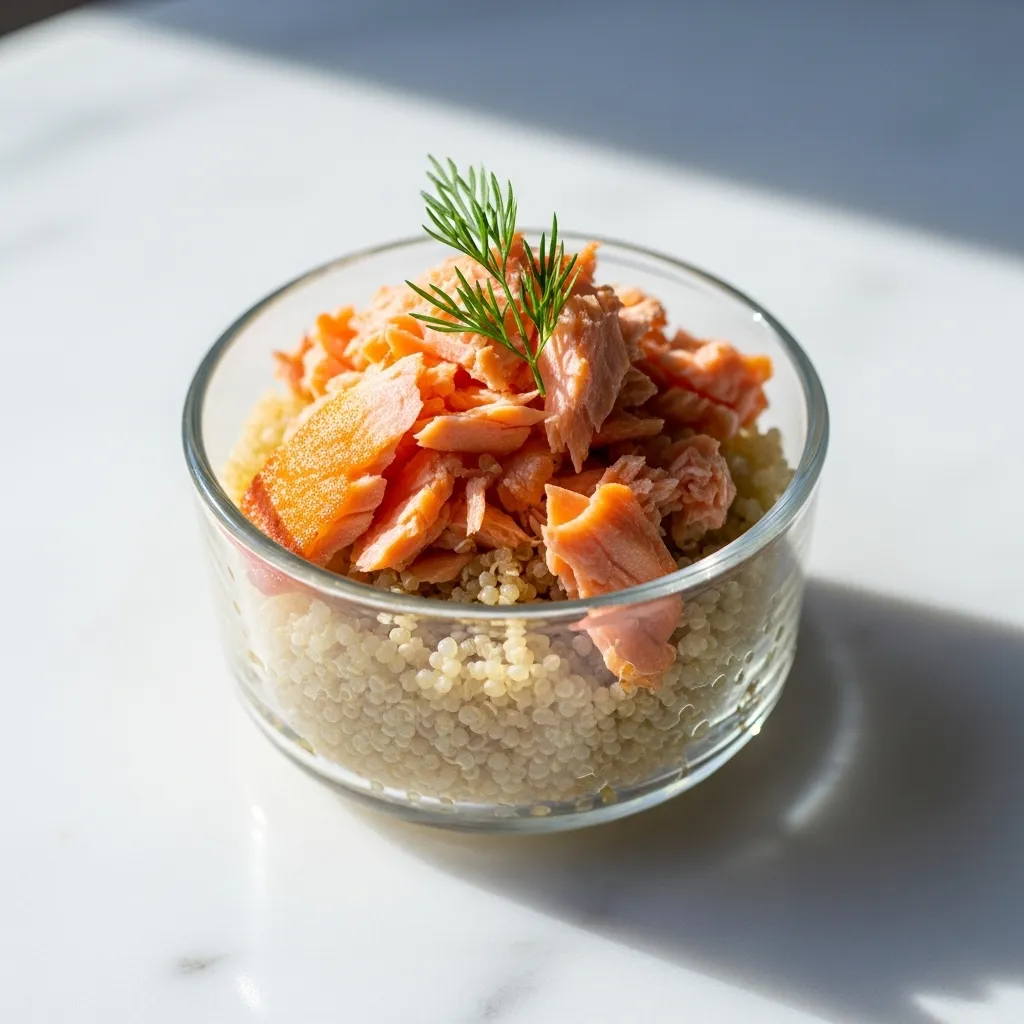
8. Salmon and Quinoa:
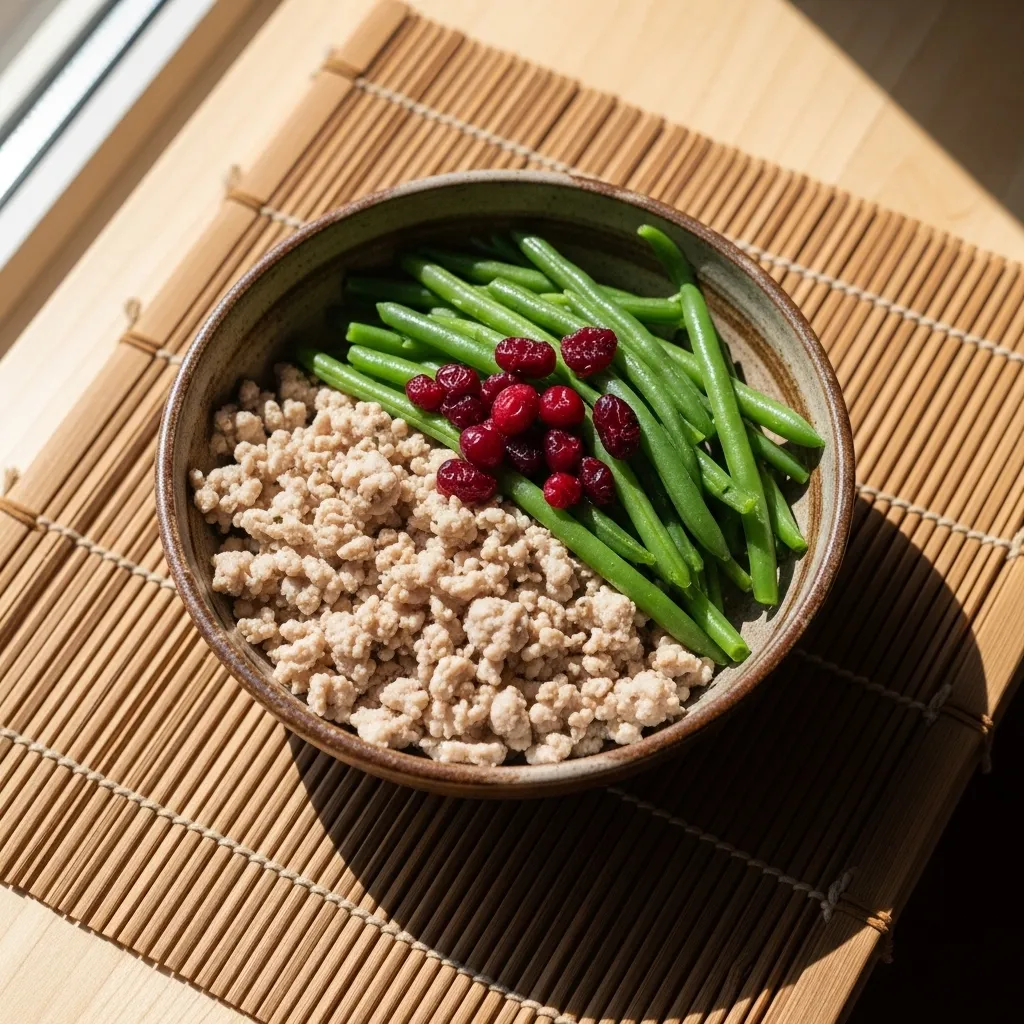
Salmon provides omega-3 fatty acids for anti-inflammatory benefits, while quinoa is an easy-to-digest grain alternative packed with protein and essential nutrients.
9. Lamb and Butternut Squash:
A novel protein option, lamb is often well-tolerated by dogs with allergies. Pairing it with butternut squash provides a gentle, vitamin-rich carbohydrate.
10. Lamb and Butternut Squash
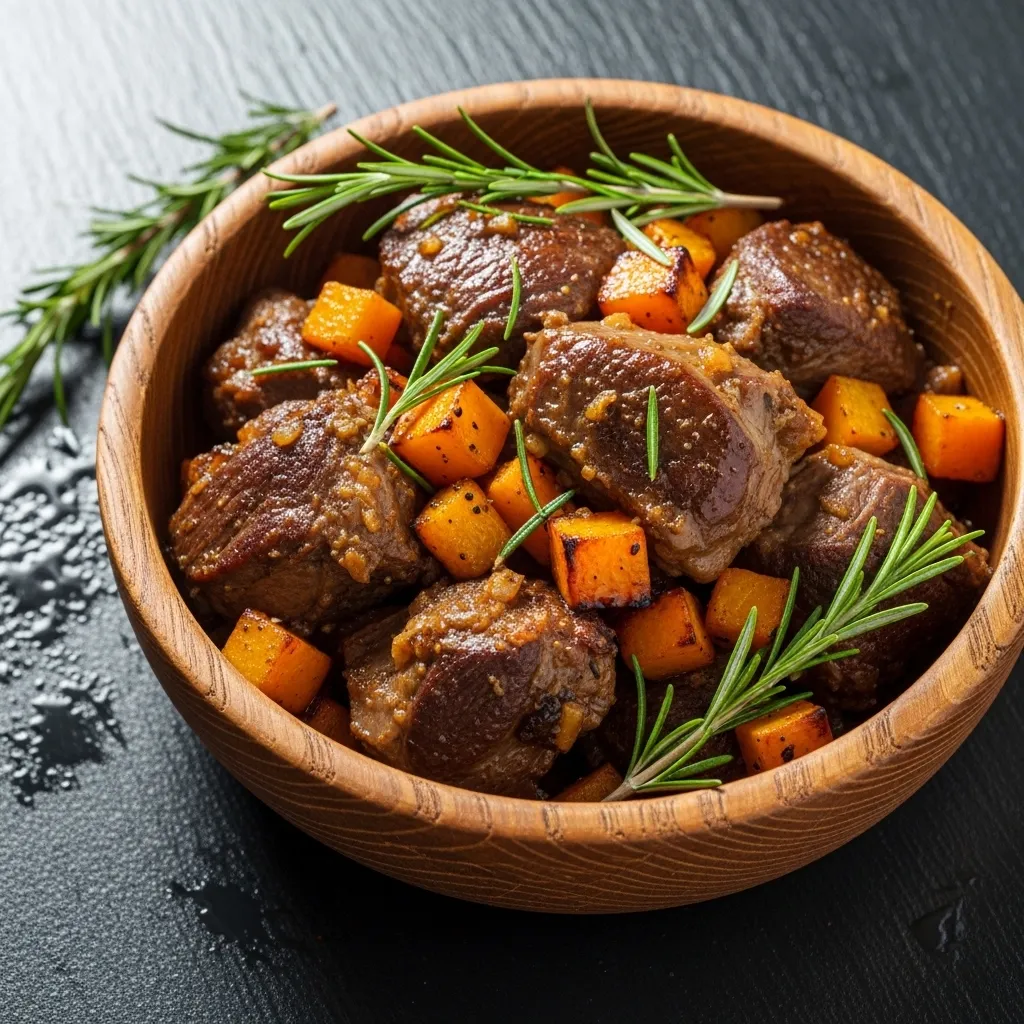
Lamb is a novel protein for many dogs, making it a good option for allergies. Use lean ground lamb and cook it well. Drain any excess fat.Dogs
Butternut squash is similar to pumpkin but with a sweeter taste. Roast or steam it until soft, then mash it. It’s full of fiber and vitamins A and C.
This combination is soothing and flavorful. It’s a wonderful change from chicken-based meals. My dog’s sensitive stomach never complains about this one.
Tips for Preparing and Serving Homemade Meals
* Cook Simply: Avoid frying, roasting with oil, or adding spices. Steaming, boiling, and poaching retain nutrients without irritating the gut.
* Portion Control: Serve small meals several times a day rather than one large meal. This prevents overloading the digestive system and reduces nausea.
* Gradual Transition: Introduce homemade meals slowly by mixing them with your dog’s existing diet. Increase the proportion of homemade food over 5–7 days.
* Monitor Reactions: Watch for changes in stool consistency, vomiting, or unusual gas. These can indicate food sensitivities or intolerance. Adjust ingredients accordingly.
* Avoid Harmful Foods: Never feed dogs onions, garlic, grapes, raisins, chocolate, xylitol, or excessive salt, as these are toxic and can worsen digestive issues.
Sample Feeding Schedule for Sensitive Dogs
Morning: Boiled chicken and rice with a small splash of bone broth.
Midday Snack: Low-fat cottage cheese with a teaspoon of plain pumpkin.
Evening: Poached fish with mashed sweet potatoes or quinoa with salmon.
This schedule spreads out nutrition, eases digestion, and ensures your dog receives protein, carbs, fiber, and hydration throughout the day.
Benefits Beyond Digestion
Homemade meals are not just about preventing upset stomachs. They also provide long-term health advantages:
* Reduced Allergies: Avoiding common allergens helps prevent chronic itching, inflammation, and skin irritations.
* Improved Energy Levels: Nutrient-rich, balanced meals provide sustained energy without causing gastrointestinal distress.
* Better Weight Management: You control the protein-to-carb ratio and portion sizes, which helps prevent obesity in sensitive dogs.
* Bonding Opportunity: Preparing meals gives you hands-on involvement in your dog’s health, strengthening the human-animal bond.
Common Mistakes to Avoid
1. Skipping Veterinary Consultation: Homemade diets should ideally be reviewed with a veterinarian or canine nutritionist to ensure they meet all essential nutritional requirements.
2. Overfeeding Protein: While protein is important, excessive amounts can strain kidneys and digestive health.
3. Adding Seasoning or Oils: Even small amounts of spices or cooking oils can irritate sensitive stomachs.
4. Ignoring Transition Periods: Abruptly switching to homemade food can worsen digestive upset rather than improve it.
Long-Term Considerations
Homemade diets can be an effective long-term solution for sensitive stomachs, but balance is key. Including a variety of proteins and carbohydrates, supplementing with necessary vitamins, and monitoring your dog’s reactions ensures that meals remain both safe and enjoyable. You can also rotate ingredients, such as switching from chicken to turkey or salmon to lamb, to provide different amino acids and micronutrients, while avoiding repetitive stress on the digestive system.
Conclusion
Sensitive stomachs no longer have to limit your dog’s diet. By focusing on simple, whole-food ingredients and cooking methods that preserve nutrition and minimize irritation, you can create meals that are not only easy to digest but also flavorful and nutritionally balanced. From boiled chicken and rice to salmon with quinoa or turkey and pumpkin, there are countless combinations that support gut health, reduce allergic reactions, and enhance overall well-being.
Homemade dog food gives you control over every bite your pet consumes, helping prevent discomfort while fostering a healthier, happier life. Gradual transitions, careful monitoring, and consistency are the keys to success. With the recipes and tips outlined here, your sensitive dog can enjoy mealtime again safe, healthy, and utterly delicious.
About the Creator
Enjoyed the story? Support the Creator.
Subscribe for free to receive all their stories in your feed.
Comments
There are no comments for this story
Be the first to respond and start the conversation.