science
Study the science of animals to get a deeper understanding of your pet's brain, body and behavior.
Wikie and Keijo Are Running Out of Time: France and Spain Must Clarify Their Plans Before December
Wikie and Keijo, two killer whales who were born under human care, currently live at the former Marineland Antibes in France. While it is true that animal protection laws in France will prohibit keeping cetaceans under human care from December 2026, the exact wording of the new law and the date of its enactment. Possible exceptions must be confirmed.
By Jenna Deedyabout a month ago in Petlife
WHY EVERYONE LOVE CAPYBARAS
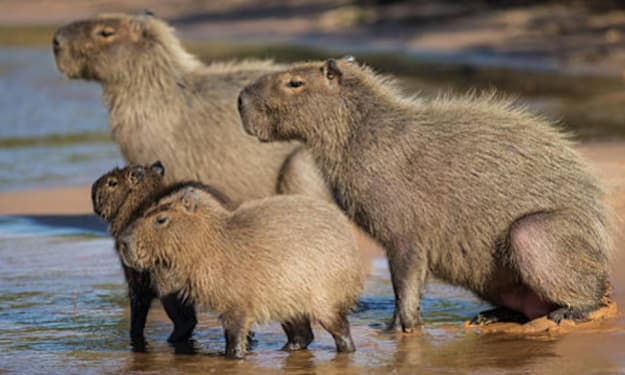
There's a certain kind of animal video that always seems to go viral. No dramatic action. No tricks. Just a serene, oversized rodent calmly soaking in a hot spring or letting ducks nap on its back. That animal is the capybara—often called the chillest creature on Earth. But why do humans feel such a strong pull toward this unlikely internet icon? It's not just the cuteness. Capybaras are teaching us something surprising about emotional intelligence, peaceful coexistence, and what it means to just... be. What Exactly Is a Capybara? Capybaras are the world's largest rodents. Native to South America, they live in swampy forests and savannas near water sources. Adults can weigh up to 145 pounds (65.8 kilograms) and reach about 4 feet (1.22 meter) long—but despite their size, they're gentle herbivores who graze on grass, aquatic plants, and fruit. They have webbed feet, excellent swimming skills, and one highly recognizable feature: their unbothered facial expression, which has become a meme in itself. The Science Behind Their Calmness You might assume their mellow vibe is just a quirk, but there's biology at play. 1. Social wiring with good behavior Capybaras are naturally social animals. They live in large groups of 10–30 members and communicate with subtle sounds: purring, clicking, even whistling. However, unlike other herd animals, they have a good behavior. There's no alpha biting, chasing, or loud dominance behavior. According to Dr. Eleanor Vance, a specialist in rodent social behavior: "Capybaras are highly social creatures, typically forming groups of 10–30 individuals. Their communication relies on subtle vocalizations like purring, clicking, and whistling. Notably, unlike many other herd species, capybaras exhibit minimal dominance displays." 2. Built for cohabitation Capybaras are one of the few mammals that seem universally liked by other animals. They're often seen sharing space with monkeys, ducks, turtles, and even predators—who, for some reason, don't always view them as food. Wildlife biologists believe this tolerance is tied to both their passive nature and their scent-marking habits, which broadcast their calm presence early on. Why They Thrive in Zoos and Animal Parks It's no accident that capybaras have become the unexpected stars of petting zoos, farm visits, and animal therapy events. 1. They don't startle easily. Many petting zoo animals, like goats or rabbits, can get nervous around loud children or crowds. Capybaras tend to stay relaxed—even when being gently petted by visitors. This creates a low-stress environment for both the animal and the people. 2. They interact on their own terms. Unlike dogs or cats, capybaras don't force interaction. They'll sit near you. They might let you brush them. But they're not clingy or demanding—which makes them a perfect animal for mindful observation rather than active play. 3. They're surprisingly clean. Capybaras spend hours grooming themselves and each other. This makes them more manageable in controlled environments, since they don't give off strong odors or create chaotic messes. Capybaras and Human Emotion: A Deeper Connection So why do people seem so emotionally moved by capybaras? The answer might lie in a concept called emotional mirroring. When we watch a calm animal exist peacefully—especially one as large and slow-moving as a capybara—it taps into our own parasympathetic nervous system. This is the system responsible for slowing the heart rate, lowering blood pressure, and promoting a sense of safety. Therapists and educators have even begun to explore capybaras in animal-assisted therapy programs, especially for individuals with anxiety, PTSD, or sensory sensitivities. They're Not Meant to Be House Pets While many people fantasize about owning a capybara after seeing them online, experts urge caution. Capybaras are semi-aquatic animals, which means they need access to clean, deep water to swim in every day. A kiddie pool isn't enough—they require space, filtration systems, and careful maintenance. They're also social, and keeping just one can lead to depression. In most cases, you'd need to keep at least two—plus comply with local exotic animal laws. Veterinarian Dr. Emily Sorensen notes, "People often underestimate the environmental needs of capybaras. They're highly sensitive animals with specific needs." In short: enjoy them at reputable farms, sanctuaries, or animal parks—but think twice before considering one as a backyard pet. Where Can You See Capybaras in the U.S.? If you're curious about experiencing a capybara encounter, here are a few great places in the U.S. that offer ethical, hands-on experiences: 1. Animal Edventures, Florida Offers small-group capybara meet-and-greets where visitors can feed, pet, and even sit with capybaras in a shaded enclosure. Entry: around $25–35 per person. 2. Texas Capybara Encounter, Dripping Springs, TX Private farm experience where you can learn capybara care, swim with them in a pond, and interact directly. Reservations required; prices range from $40–60. 3. Wildlife World Zoo, Arizona This large facility houses capybaras in a walk-through habitat where you can observe them lounging and swimming in groups. Admission: $47 for adults. More Than a Meme Capybaras aren't popular just because they're cute. They represent something deeper: an emotional ideal we crave in an overstimulated world. Calm. Softness. Mutual respect. So next time you see a photo of a capybara chilling with a bird on its head, know this—behind the meme is a living animal that reminds us how to move more slowly, breathe more fully, and live more gently. Have you ever met a capybara in person? Would you be curious to sit beside one in total silence for a while? You might come away feeling just a little more peaceful.
By Muhammad Talha4 months ago in Petlife
WORLUS WONDER 8 FACTS
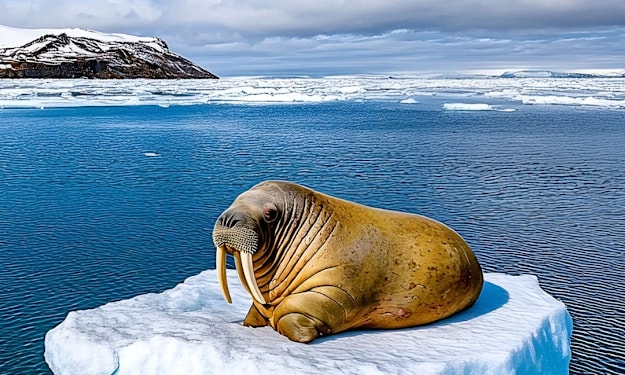
Hello Lykkers! The walrus, an iconic marine mammal, has long captured the imagination of those lucky enough to witness it in the wild. Known for their distinctive tusks, massive size, and playful behavior, walruses are not only fascinating creatures but also play an important role in their ecosystem. These majestic marine giants, found in the icy waters of the Arctic, deserve a closer look. Here are some intriguing facts about walruses that might surprise you! 1. Size and Strength: Giants of the Ocean Walruses are immense animals, with males weighing between 2,000 to 3,700 pounds, while females are slightly smaller. The average grown-up male can reach lengths of up to 12 feet! Their sheer size is intimidating, but it's what helps them dominate the frigid Arctic waters where they live. Despite their bulk, walruses are surprisingly agile swimmers. Their powerful forelimbs allow them to glide through the water with ease, propelling them to speeds of up to 22 miles per hour. 2. The Role of Tusks: More Than Just a Signature While their long, ivory tusks are undoubtedly their most recognizable feature, these tusks serve important functions beyond aesthetics. Walruses use their tusks to haul themselves out of the water and onto ice floes or beaches. They often rely on these tusks for social interactions, too—males sometimes engage in tusk duels to establish dominance. Additionally, these tusks can be vital in foraging. Walruses have sensitive whiskers, or vibrissae, on their faces, which help them detect prey along the ocean floor. 3. A Social Lifestyle: Living in Large Groups Unlike many other species, walruses are highly social creatures. They live in large groups, known as herds or "haul-outs," often consisting of hundreds or even thousands of individuals. These massive groups can be found on Arctic beaches or ice floes, where walruses gather for rest and social interaction. The social dynamics within these groups can be complex, with established hierarchies based on age and size. Males often compete for dominance, but cooperation is essential for survival, especially during the harsh Arctic winters. 4. What's on the Menu? A Diet of Delicacies Walruses are carnivorous, with a diet primarily consisting of benthic invertebrates like clams, snails, and various other mollusks. They dive to the ocean floor to forage for food, using their sensitive whiskers to detect prey in the dark, cold waters. Interestingly, walruses can consume huge quantities of food—up to 6,000 clams in a single feeding session. Their digestive systems are specially adapted to process this high-calorie diet, helping them maintain their massive size in a cold environment. 5. Breathing in the Cold: Adaptations for Survival Living in freezing Arctic waters requires some impressive adaptations, especially when it comes to breathing. Walruses can hold their breath for up to 30 minutes while diving, a critical ability for finding food and escaping predators. However, it's not just their diving skills that help them survive in cold waters. Walruses also have a thick layer of blubber beneath their skin that keeps them insulated from the freezing temperatures. This blubber is also an energy reserve that sustains them when food is scarce. 6. Threats to the Walrus Population: A Warming World While walruses have evolved to survive in one of the harshest environments on Earth, climate change is threatening their habitats. As Arctic sea ice continues to shrink, walruses face challenges finding stable resting areas. Without ice floes to haul out on, these marine giants are forced to come ashore, which increases the risks of stampedes and predation. Additionally, the melting ice has made it more difficult for walruses to reach feeding grounds, impacting their ability to find food. 7. Conservation Efforts: Protecting the Walrus Organizations around the world are working to protect walrus populations and their habitats. Conservationists focus on studying walrus behavior, migration patterns, and health to ensure their long-term survival. Efforts to combat climate change, particularly the reduction of greenhouse gas emissions, are essential to preserving the Arctic environment and the species that depend on it. Additionally, laws protecting walruses from overhunting and harassment are helping to stabilize their populations.
By Muhammad Talha4 months ago in Petlife
SMART PETS
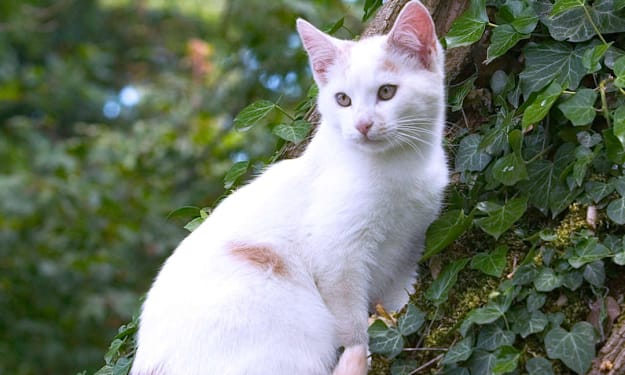
Science revealed pets recognize not just our word_but also our tone and intentions . Have you ever called your dog from another room or whispered secrets to your cat, wondering if those attentive eyes and twitching ears mean your beloved pet actually understands the conversation? For pet lovers, the idea that our furry companions "get" us feels almost magical. But does science back up this everyday hunch? Let's go beyond cute stories and explore what researchers really know about how pets interpret human language. How Much Do Dogs Comprehend Human Speech? When it comes to understanding spoken words, dogs set the gold standard in the pet world. Decades of research show their talent goes far beyond just learning to sit or fetch. So, what's actually going on in a dog's mind when you talk to them? 1. Dogs pick up words that matter—especially their names or familiar commands. Scientists from the University of Sussex found that dogs can pick out words relevant to them—even those hidden in long sentences or spoken in neutral tones, not the usual bright "dog voice" many owners use. 2. Understanding depends on both meaning and tone. MRI studies reveal that dogs process both the word's content and the way it's spoken, using both sides of their brains, much as humans do. While the left side is all about word meaning, the right side processes emotion and intonation. For example, a "good dog!" in a happy tone activates reward centers in your pup's brain, while the same words spoken flatly probably fall flat with them too. 3. Speech rhythm matters for dogs. Asking your dog to "come here" too quickly might confuse them. Neuroscience research suggests that dogs follow speech best at a slower tempo—about three syllables per second, versus the four syllables humans normally use with each other. This slower, clearer speech seems to unlock their full potential to decode commands and feel connected to us. Some extraordinary dogs have learned hundreds of object names and commands, like Rico the border collie who could remember over 200 words and Chaser, who learned more than 1,000. But, even typical dogs can pick up key words related to daily life and family routines, showing just how tuned-in they are to our voices. What About Cats—Are They Listening or Just Ignoring? Cats' mysterious reputation makes people wonder if they ever pay attention. Research, however, tells a more nuanced story. 1. Cats recognize their owner's voice—and even specific ways we speak to them. Studies at the University of Tokyo and in France show cats clearly distinguish their owner's voice from others, especially when addressed in the "cat voice" (a higher-pitched tone, similar to how we talk to babies). Behavioral cues like ear twitches, head turns, and dilated pupils—often more pronounced for their owner—reveal real engagement. 2. Cats prefer speech directly addressed to them. Cats react more strongly when owners use their "cat-directed" tone, rather than the adult conversational voice. However, they don't show the same preference when strangers speak this way, which hints at a special, learned bond with familiar humans rather than generalized understanding. 3. Cats use custom sounds for people. Unlike dogs, most adult cats don't meow at other cats. Instead, meowing is reserved almost entirely for interactions with their humans, reflecting an evolution of communication specifically aimed at getting our attention. Do Our Pets Actually Grasp the Meaning? The bottom line is: while pets don't "speak" human languages, many can decode dozens (or even hundreds) of important words, actions, and emotions. Dogs are champs at linking specific words to objects, actions, and routines. Border collies have demonstrated abilities similar to toddlers in fast learning and word retention. Cats, while less focused on learning words, are skillful at picking up on specific tones and visual cues, and they seem to adapt their responses to the unique communication style of their favorite person. Practical Insights—Communicating Better With Your Pet Next time you're hoping your pet understands you, try these science-backed tips: Use their name and familiar words consistently. Slow your speech and use clear, positive tones for commands. Pair speech with gestures or body language—especially important for cats. Talk directly to them, and don't be afraid to employ a slightly higher tone. Notice their responses: Ear movements, eye contact, and body orientation signal they're listening—even if it's not always obedience you see! Maybe your dog perks up at the word "walk," or your cat responds to the gentle sound of their name. While they may not understand the full nuances of human conversation, they're masters at picking out relevant words, reading our tone, and making sense of the emotions behind our voice. Have you noticed your pet reacting to specific phrases, commands, or even just your voice after a long day? Try an extra "good job!" or a special chat in your next interaction, and see what new responses you get. Sometimes, the real magic is that our pets listen with their hearts—even when they don't understand every word we say.
By Muhammad Talha4 months ago in Petlife
The Role of Koi Fish in Feng Shui Design
In the fast-paced world of 2026, creating a home environment that promotes peace, mental clarity, and financial growth has become a top priority for families and professionals. While there are countless interior design styles available, ancient philosophies like Feng Shui provide valuable guidance on arranging our living spaces to harmonize with the natural energy or "Chi" around us. Among the symbols used in Feng Shui to attract good fortune, none are more vibrant or respected than the iconic Koi fish.
By Mike Savage New Canaan5 months ago in Petlife
CLOWNFISH JOURNEY UNVEILED
The Egg Stage: A Tiny Beginning The life of a clownfish starts as a tiny egg, usually laid on a flat surface near a sea anemone, which will later provide protection and shelter. Clownfish are known for their unique reproductive behavior. The female lays hundreds of eggs, often within the safety of the sea anemone's tentacles. The male clownfish then fertilizes them and takes on the role of protecting the eggs. He vigorously guards them from predators and keeps them oxygenated by fluttering his fins over them. The eggs are orange in color, matching the clownfish's vibrant hue, and can be clearly seen as they develop. Over the course of about six to seven days, the eggs undergo a fascinating transformation, with the larvae slowly developing into tiny clownfish. The Larvae Stage: Drifting in the Ocean Once the clownfish eggs hatch, the larvae are released into the ocean, where they will begin a remarkable journey. These larvae are microscopic, drifting in the open water, carried by ocean currents. For about 10 days, the clownfish larvae remain in the planktonic phase, relying on the ocean's currents for movement and nutrition. During this stage, the tiny clownfish are highly vulnerable to predators. However, the larvae possess a remarkable instinct to seek out anemones, which offer them shelter and protection from the dangers of the open ocean. As the larvae mature, they begin to develop the distinctive orange color and black stripes that will define their adult appearance. The Settlement Stage: A Home Found After surviving the planktonic stage, the clownfish larvae eventually find a suitable sea anemone to call home. This marks the beginning of their juvenile stage. This transition is critical for the young clownfish, as they must form a mutualistic relationship with the sea anemone, a process that provides them with shelter and protection from predators. In return, the clownfish help clean the anemone by removing parasites and debris. Additionally, the clownfish's movements and waste products provide nutrients to the anemone, creating a mutually beneficial relationship. It's this partnership that will serve as the foundation of the clownfish's life moving forward. The Adult Stage: A Vibrant Reef Resident As the clownfish matures, it adopts a more permanent residence within its sea anemone host. The adult clownfish becomes highly territorial, defending its anemone against intruders. The colors of the clownfish become more vibrant, and it becomes more confident in its movements. The clownfish's body is adapted to living among the venomous tentacles of the sea anemone, thanks to a special layer of mucus that prevents the sting from affecting them. This adaptation is essential for their survival in an environment that is otherwise dangerous for most other species. As adults, clownfish continue their symbiotic relationship with the anemone, and their role in the ecosystem as both predator and prey becomes increasingly important. Reproduction and the Next Generation Clownfish reach maturity at around one year of age. In a group, there is typically a dominant female and a mate, with smaller males filling supporting roles. If the dominant female is removed, the male will transition into the female role, and a new male will take her place. When it's time to reproduce, the female will lay her eggs, and the cycle begins again. The male continues to care for the eggs, ensuring their survival. This repetitive cycle ensures the ongoing survival of clownfish populations, as each new generation adapts to the ever-changing dynamics of the coral reef ecosystem. From their humble beginnings as tiny eggs to their vibrant adulthood, clownfish have a life cycle that is both fascinating and vital to the health of coral reef ecosystems. Their unique relationship with sea anemones highlights nature's ability to create symbiotic bonds that support the survival of both species. By protecting these tiny ocean stars and their habitats, we ensure the continuation of this remarkable journey for future generations of clownfish. The life cycle of a clownfish is a testament to the resilience of nature and the importance of each stage in the intricate web of ocean life!
By Muhammad Talha5 months ago in Petlife
The Ultimate Guide to Homemade Dog Food for Sensitive Stomachs: Recipes Vets Recommend
For dogs with sensitive stomachs, mealtime can be a daily challenge. Vomiting, diarrhea, and general discomfort often make feeding time stressful for both pets and their owners. While commercial dog foods offer convenience, they frequently contain fillers, artificial preservatives, and high-fat ingredients that can exacerbate digestive issues. Fortunately, homemade meals can provide a simple, healthy, and highly effective solution. By focusing on easily digestible ingredients and nutrient-rich combinations, you can support your dog’s gut health, improve stool consistency, and even reduce allergy-related reactions.
By Lynn Myers5 months ago in Petlife
Sink or Swim
We've all heard the phrase "sink or swim" – a saying that emphasizes the importance of action in stressful situations. But what if this phrase was inspired by sharks? Most of us have been led to believe that sharks must swim constantly or risk dying.However, the truth is more complicated than this popular myth. In fact, not all sharks are created equal when it comes to the need for continuous swimming. Sharks are fascinating creatures, and their need for constant swimming is related to two key factors: buoyancy and respiration. 1. Buoyancy :- Unlike bony fish that use a swim bladder to regulate buoyancy, sharks are cartilaginous fish. They lack this gas-filled structure and instead rely on their large pectoral fins and fatty livers to help them maintain their position in the water. While this method allows them to rise and sink freely over a range of depths, it requires constant swimming to maintain balance. Without this motion, they would struggle to stay afloat. 2. Respiration :- For many sharks, swimming is vital to ensure a steady flow of water over their gills, enabling them to absorb oxygen. This group of sharks, known as obligate ram ventilators, includes powerful species like the Great White, Mako, and Bull Sharks. These species are unable to breathe effectively unless they are swimming, as they rely on the forward motion to force water through their gills. Can Sharks Sleep While Swimming? With their need to keep moving, it's no surprise that scientists have long believed sharks never truly sleep. However, this assumption was challenged in the 1960s when Mexican diver Ramón Bravo discovered a group of sharks that appeared to sleep in an underwater cave. The cave, located off the coast of Isla Mujeres, was thought to have a current of fresh, oxygenated water that allowed sharks to remain still while still ventilating their gills. While it was previously believed that sharks could not rest, recent research has opened up new possibilities. Some scientists now suggest that sharks may engage in "restful swimming" or use their spinal cord to keep them moving while their brain gets a chance to rest. Though we have yet to fully understand the mystery of shark sleep, it seems sharks can rest in their own unique way. The Evolutionary Benefits of Shark Adaptations :- Sharks' need for constant swimming isn't just a survival tactic—it's also a testament to their evolutionary success. While they lack swim bladders like other fish, this adaptation allows them to navigate a wide range of depths. The ability to freely rise and fall in the water column offers them more flexibility compared to bony fish. Additionally, their specialized method of respiration through ram ventilation allows them to thrive in different environments. However, this constant motion does come with a cost: sharks are energy-intensive swimmers. But this trade-off also gives them unique advantages in the ocean's vast depths. Bonus Facts :- 1. Sharks' ability to survive in both saltwater and freshwater is another remarkable feat. The Bull Shark, for example, can tolerate freshwater and has been found in rivers and lakes around the world, from the Amazon to the Potomac. 2. Shark skin is covered with tiny tooth-like structures called denticles, which reduce drag and increase swimming efficiency. This unique texture has inspired technological innovations, like the Speedo Fastskin swimsuit worn by Olympic swimmers. 3. Unlike most fish, sharks can regulate their body temperature through a network of blood vessels called the rete mirabile, allowing them to stay warmer than their surrounding environment. Conclusion :- The phrase "sink or swim" may have originated from human experiences, but it certainly captures something about sharks' existence. For some sharks, swimming is not just a matter of survival but an evolutionary trait that allows them to move freely in the ocean's depths. While not all sharks need to swim constantly to survive, the myth of the "sink or swim" shark remains grounded in a truth about nature's resilience. So, next time someone says you have to to "sink or swim," remember—you might just be as adaptable as a shark.
By Muhammad Talha6 months ago in Petlife
Can Cats Eat Without Teeth? Care Tips Every Owner Needs
Many cat owners worry when their feline companion loses teeth, whether due to age, dental disease, or injury. A common question that arises is: can cats eat without teeth? The good news is that cats are incredibly adaptable animals. Even without teeth, they can still eat, thrive, and live a comfortable life with proper care and diet adjustments.
By Web2.0 Backlinks6 months ago in Petlife
Save Capron Zoo Before It’s Too Late
Some places quietly become part of who we are. They’re not always world-famous landmarks or sprawling tourist destinations. Instead, they’re places woven into everyday life–the ones where kids press their faces against exhibit glass in wonder, where families stroll on warm afternoons, and where generations share simple moments.
By Jenna Deedy7 months ago in Petlife