
Women Empowerment
Building a Fair and Prosperous World Through Equality and Opportunity
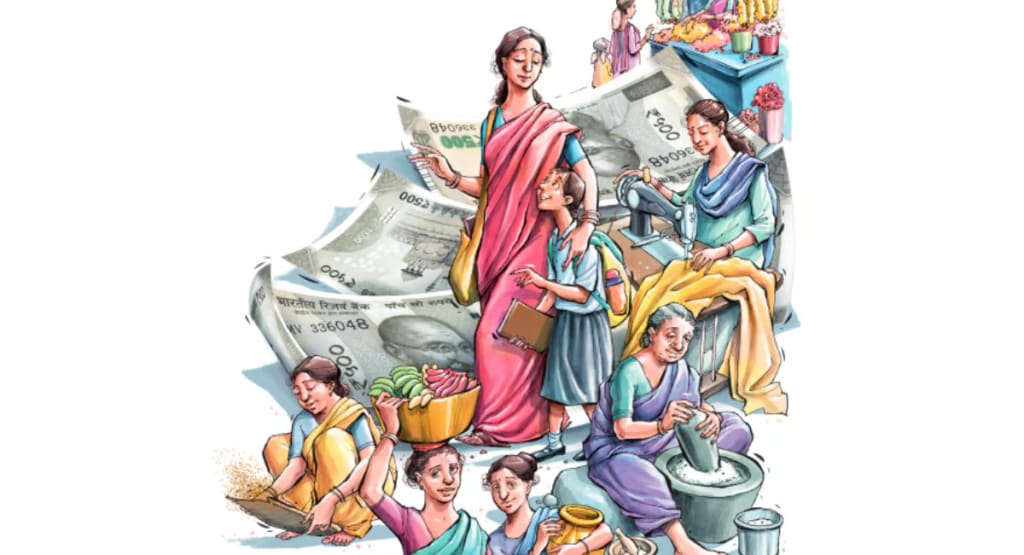
Empowering women means providing them with the power and opportunity to make their own decisions and lead independent lives. It involves giving them equal access to education, healthcare, and jobs, as well as ensuring they have the same rights as men. Empowering women is essential for a multitude of reasons, impacting not just individual lives but entire communities and nations.
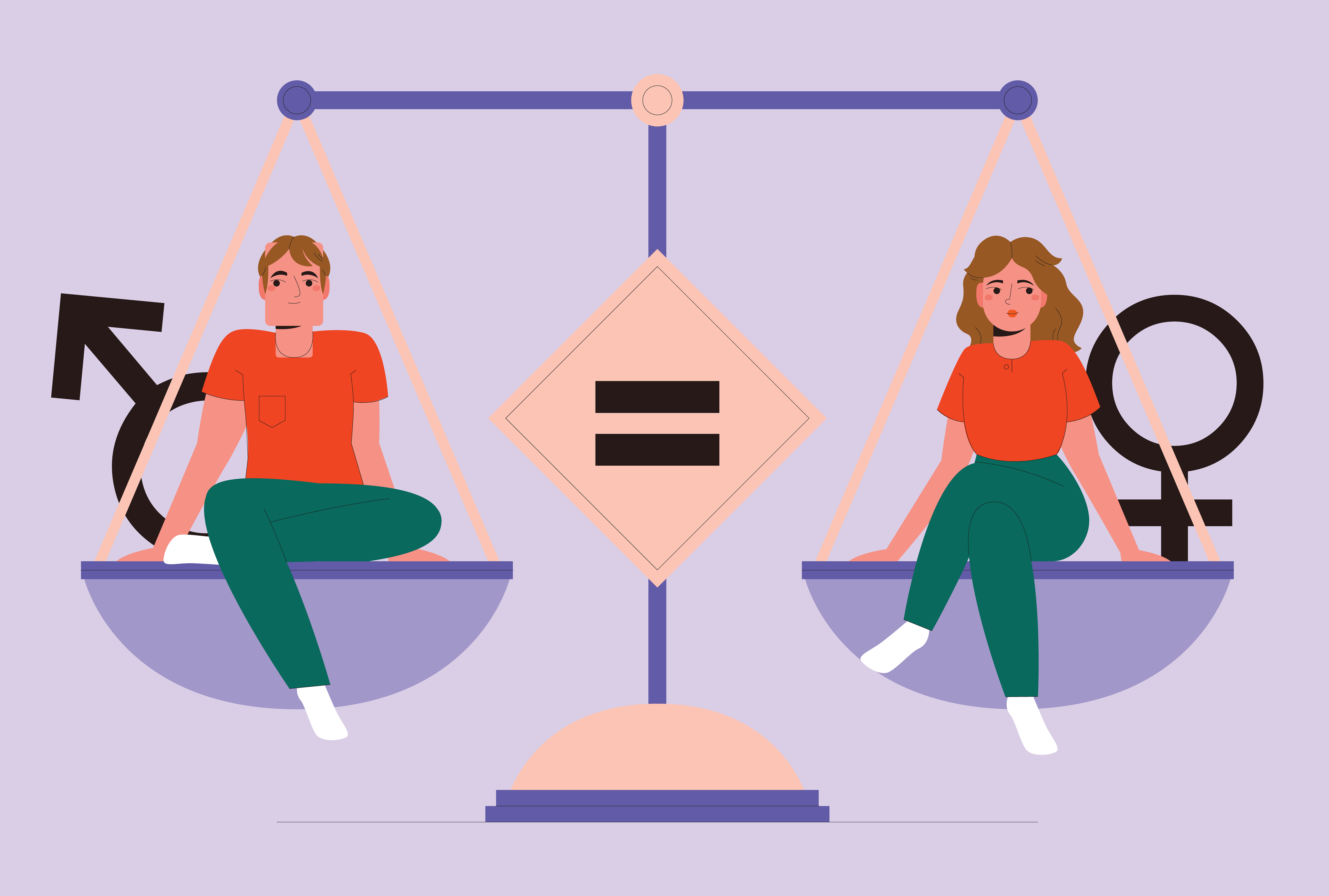
Firstly, women empowerment promotes equality. Every person deserves to be treated equally, regardless of gender. When women have the same opportunities as men, it fosters a fair and just society. Gender equality is a fundamental human right, and empowering women ensures that this right is upheld. It breaks down the barriers that have historically limited women's roles and contributions in various spheres of life.
Secondly, empowering women significantly contributes to economic growth. Women make up half of the world's population, and when they are given equal opportunities to participate in the workforce, they contribute to economic development. Studies have shown that countries with higher levels of gender equality tend to have higher economic growth rates. Women who are financially independent are not only able to support themselves but also invest in their families and communities. This economic participation leads to increased productivity and innovation, benefiting society as a whole.

Moreover, an empowered woman can have a profound impact on her family and community. Educated and empowered women are more likely to raise well-educated and healthy children. They understand the importance of education and healthcare and can make informed decisions that benefit their families. This creates a positive cycle where future generations have better opportunities and improved quality of life. Empowering women, therefore, leads to the overall development of communities and societies.
Empowerment also helps reduce poverty. When women are given the opportunity to earn a living, they can support their families and break the cycle of poverty. Financial independence provides women with the resources they need to improve their living conditions and invest in their children’s future. Additionally, empowered women are more likely to start their own businesses, creating jobs and contributing to economic growth. This entrepreneurial spirit drives innovation and economic diversification, which are crucial for sustainable development.
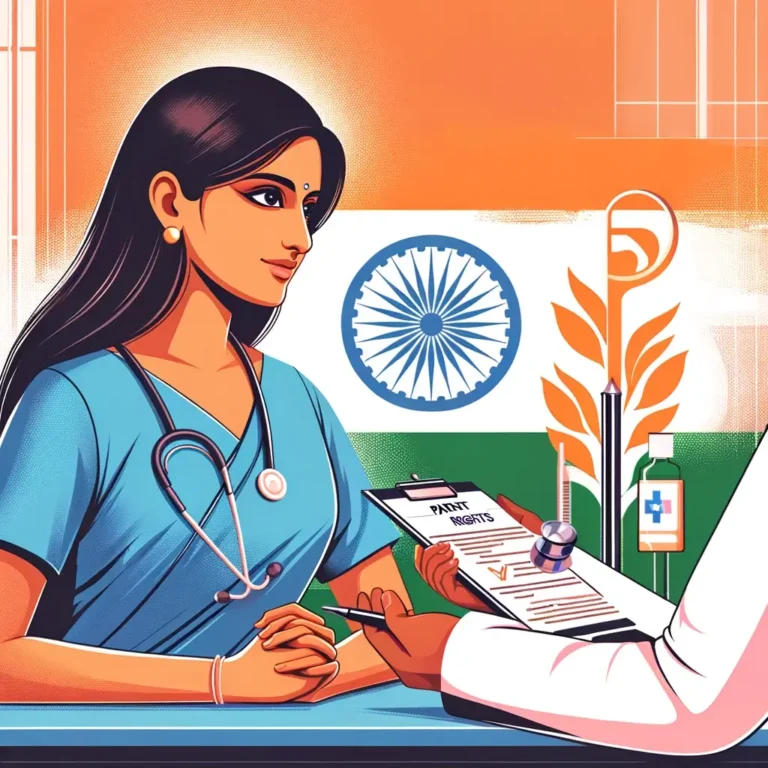
In addition to economic benefits, empowering women leads to better health outcomes. Women who have access to healthcare services, including reproductive health, can make informed choices about their bodies and their health. This results in healthier families and communities. When women are educated about health and nutrition, they can take better care of themselves and their children. Improved health leads to increased productivity and reduced healthcare costs, benefiting society as a whole.
To achieve women empowerment, several steps are necessary. Ensuring girls have access to quality education is a fundamental starting point. Education equips women with the knowledge and skills they need to make informed decisions and participate fully in society. It opens up opportunities for better jobs and higher income. Governments and organizations must work together to eliminate barriers to education for girls, such as poverty, cultural norms, and inadequate infrastructure.
Healthcare is another crucial aspect of women empowerment. Providing women with access to healthcare services ensures they lead healthy lives and can take care of their families. This includes reproductive health services, which are essential for women to make informed decisions about their bodies. Access to healthcare not only improves the well-being of women but also contributes to the health and development of entire communities.
Creating employment opportunities and ensuring equal pay for women helps them become financially independent. It is essential to eliminate gender discrimination in the workplace and promote policies that support work-life balance. Women should be encouraged to pursue careers in various fields, including those traditionally dominated by men. Governments and businesses must work together to create an environment where women can thrive professionally.
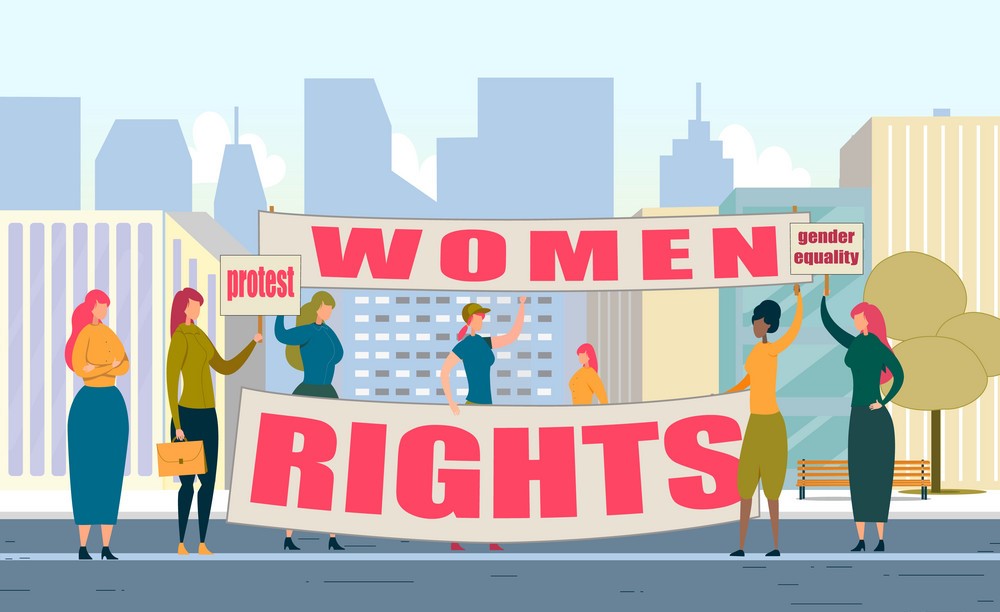
Legal rights are also crucial for women empowerment. Women must have the same legal rights as men, including property rights and protection against violence. Legal reforms are needed to ensure that women have access to justice and are protected from discrimination and abuse. Advocacy and awareness campaigns can help change societal attitudes and promote gender equality.
Encouraging women to take on leadership roles in politics, business, and communities is vital for their empowerment. Women bring unique perspectives and skills to leadership positions, and their participation is essential for balanced and effective decision-making. Mentorship programs and leadership training can help women build the confidence and skills they need to succeed in leadership roles.

In conclusion, empowering women is essential for creating a fair and prosperous world. When women are empowered, they can achieve their full potential, benefiting not only themselves but also their families and society as a whole. By focusing on education, healthcare, employment, legal rights, and leadership, we can work towards a world where everyone has equal opportunities. Empowering women is not just a moral imperative; it is a practical necessity for sustainable development and economic growth.
About the Creator
Enjoyed the story? Support the Creator.
Subscribe for free to receive all their stories in your feed.
Comments
There are no comments for this story
Be the first to respond and start the conversation.