
What are good fats? Here's one you should eat more of because they're important.
healthy fats
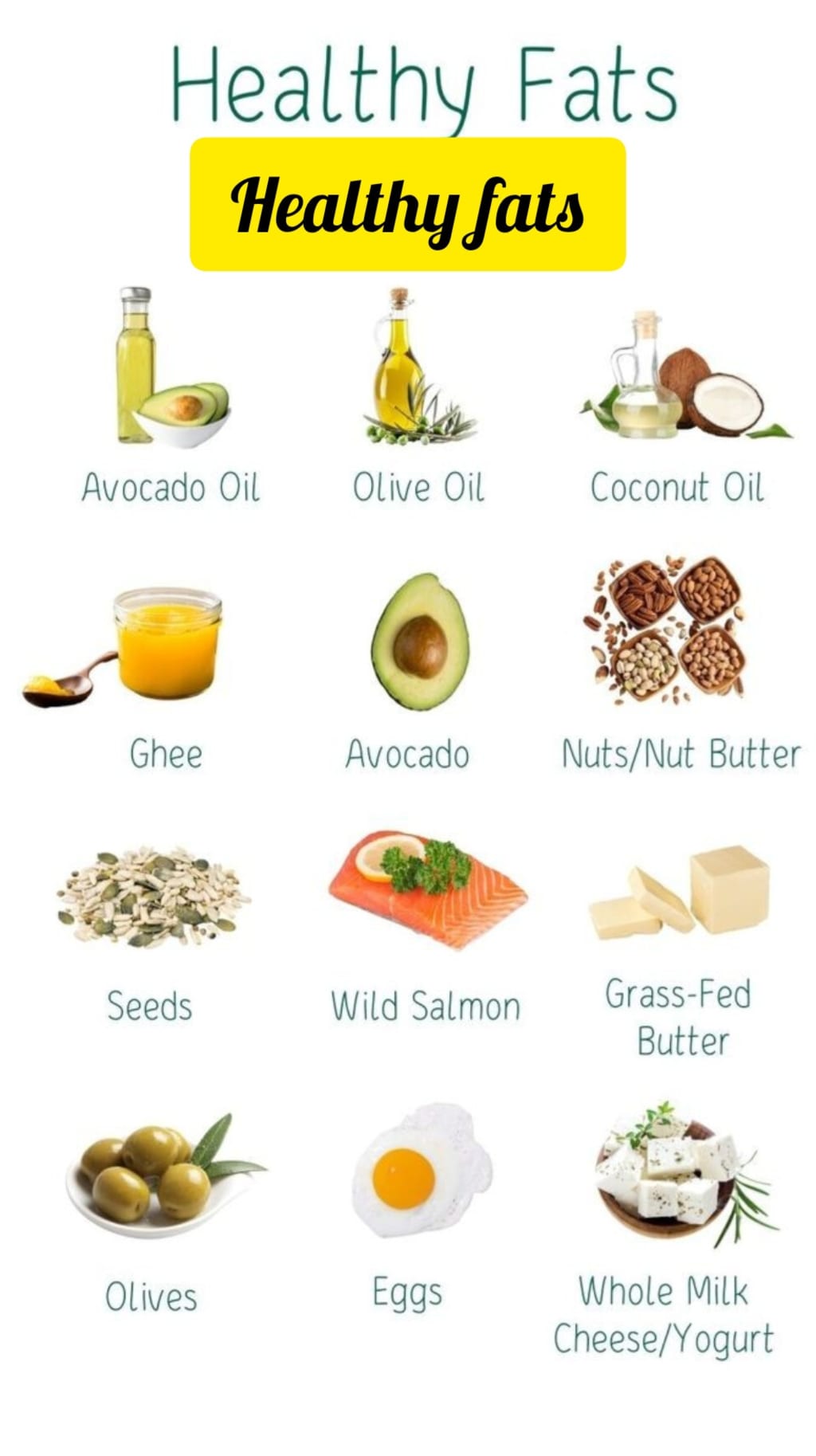
What are good fats? Here's one you should eat more of because they're important.
The low-fat movement, which began in the 1980s, told us we should eliminate fat, while high-fat diets like the keto diet teach us the reverse. Fat has had quite the debate in dietary discussion places.
How can you be sure where the solutions are? In actuality, Americans' diets are saturated in fat. It can be found in the cooking oil we use, the fish we prepare, and the vegetables we consume (avocado, for example). It is also a significant component of a balanced diet and is important for the creation of hormones, the production of energy, and the absorption of nutrients.
Which fats are the healthiest?
Despite the fact that not all fats are created equal, registered dietitian Chris Mohr argues that overall, fat is necessary for our diet. The "healthiest" fat, according to Mohr, is omega-3s, which we require but frequently don't get enough of.
Our bodies cannot produce omega 3 polyunsaturated fats on their own, making them vital nutrients. However, a research based on the National Health and Nutrition Examination Survey found that nearly 95% of kids and 68% of adults consume less than the advised quantity.
Fish contains the most omega-3s, but you can also get them from flaxseeds, hempseeds, walnuts, and dark leafy greens. Another sort of polyunsaturated fat called omega-6s is also necessary, but according to Mohr, we don't have any trouble getting enough of it in our diets because it's present in many cooking oils, nut butters, and eggs.
You should aim to obtain a variety of fat sources, according to Mohr. The Dietary Guidelines for Americans state that fat should make up between 20 and 35 percent of our daily caloric intake, with saturated fats making up no more than 10 percent of that total. The recommendations advise staying away from trans fats as they have been linked to a higher risk of type 2 diabetes, heart disease, and stroke.
While some types of fat can be harmful in excess, others are great for humans, according to Mohr. There are certain nuances in terms of the kind of fat we consume as well as its quantity.
Trans fats, saturated fats, and two types of unsaturated fats are the four main types of fats:
* Trans fat: Usually present as partially hydrogenated oil, this substance is known to raise the risk of heart disease, stroke, and type 2 diabetes.
* The most prevalent kinds of saturated fat are in solid foods like beef, butter, and coconut oil.
* A heart-healthier alternative that raises "good" cholesterol levels is monounsaturated fat.
* Containing both omega-3 and omega-6 fatty acids, polyunsaturated fat is healthy.
Is butter unhealthy? Here is the best butter to store in your refrigerator.
What advantages does omega-3 possess?
In addition to promoting heart health, omega-3 fatty acids may also help reduce the risk of cancer, cognitive decline, and eye impairment. According to Mohr, a deficiency in omega-3s might manifest as dry skin and brittle hair. Omega-3s have anti-inflammatory qualities that may lessen depression, according to studies that have linked them to mood.
For adults following a 2,000 calorie diet, the Dietary Guidelines for Americans suggest eating at least 8 ounces of seafood per week. To promote the baby's growth, it is advised that women who are pregnant or nursing consume 8 to 12 ounces of low-mercury fish per week. Fish weighing roughly 4 ounces each serving.
Fish is the most typical source of omega-3s; traditional favorites like salmon and tuna, but Mohr also suggests trying herring, sardines, and anchovies. Leafy vegetables, vegetable oils, almonds, flax seeds, and flaxseed oil are other sources of it.
Mohr advises folks who don't eat enough fish to look into omega-3 supplements that contain at least 500 milligrams of the fatty acid. Check out an algal oil supplement if you don't like fish because that's where even fish get their omega-3s from.
Saturated fat: Is it bad?
Many people in the public are aware that saturated fat raises low-density lipoprotein cholesterol (often known as "bad cholesterol") and the risk of heart disease. Recent research, however, casts doubt on accepted wisdom and contends that the relationship between saturated fat and an elevated risk of cardiovascular disease is weaker than previously believed.
Saturated fat, in Mohr's words, is "one piece of the puzzle" when it comes to the risk of cardiovascular disease. When consumers are instructed to eat less saturated fat, they frequently increase their intake of refined carbs like added sugars, according to Mohr. According to Mohr, this may cut LDL, but it will also lower HDL (the "good" cholesterol) and elevate triglycerides. Instead of only focusing on reducing saturated fat, it may be healthier to replace saturated fat with unsaturated fat in the diet.
The key message, according to him, is to replace saturated fat with unsaturated fats wherever possible and concentrate the majority of your fat diet on monounsaturated and polyunsaturated fats.
"Fats are necessary, but we must watch what we eat and how much we consume.
About the Creator
Enjoyed the story? Support the Creator.
Subscribe for free to receive all their stories in your feed.
Comments
There are no comments for this story
Be the first to respond and start the conversation.