
Volunteer Smarter
How to Match Your Skills with Local Needs

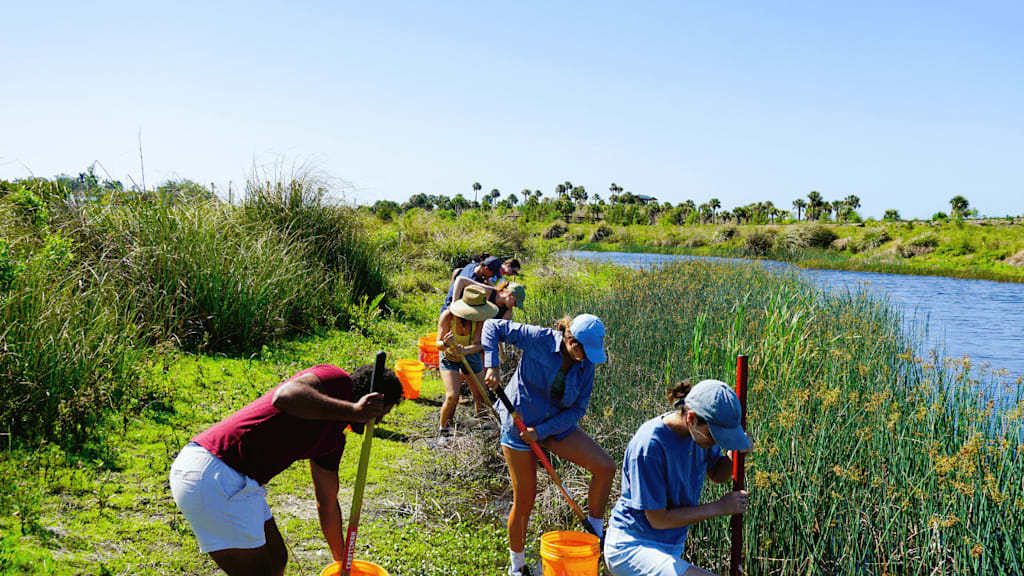
Many people who want to help their communities will jump at volunteer opportunities in front of them. That can lead to frustration when the volunteer role becomes too tiring or doesn’t quite feel like it’s the right fit. As you are choosing a volunteer opportunity, you should consider the impact that you want to make and then begin to find roles related to that impact. Do you want to help individuals with a specific resource? Help with events? Clean up the park? The goal for your volunteering should guide you in deciding.
Step One: Audit Your "Inventory"
As you think about volunteer roles, spend some time - just 10-15 minutes - jotting down the answer to these questions.
What hard skills do you have? Coding, carpentry, accounting, and graphic design all are examples of skills that not all volunteers have that you could use as you are finding an organization in need of assistance.
What soft skills do you have? Soft skills, or “people skills,” vary and can also guide you in deciding what volunteer opportunity is right for you. Whether you are good at talking to teens or can lend a listening ear to a parent whose child is in the hospital makes a difference in where you want to put your time and energy. Soft skills also include helping to organize either digitally or in person, problem-solving, and adaptability.
Are you willing to do “simple” labor tasks? Sometimes people want to volunteer in concrete ways. That may look like sorting, stacking, and bagging items at the food pantry, helping to paint a new community center, or going to roadside cleanups. Think about whether you want to look for tasks that are labor-related.
How much time do you have to give? Some people are willing and able to spend some time daily if needed helping with an organization. Others can dedicate a 3-hour block each weekend or perhaps one time block per month. Look at your calendar and see how much time you want to devote to an organization before you begin looking.
Step Two: Identify Your "North Star"
Your North Star is the reason you are looking to volunteer. Once you have an idea of what skills you have and how much time you have to give, you should start to think about the reason you want to volunteer. What is your why? What causes or issues are most important to you?
Here are a few areas that may be of interest.
Animals - Helping at a shelter or animal rescue could be great if you love animals.
Environment - Climate change advocacy, trail maintenance, and garden clubs are great choices for people who are interested in the environment.
Human Services - Food banks, clothing closets, outreach to the unhoused, and other human-related volunteering are very popular. If there is a particular population that is near and dear to your heart, you usually can find something related.
Education - Schools always need volunteers! You don’t have to be a parent to volunteer. Many areas have “adopt a grandparent” type programs, but there are other ways to get involved, such as reading with children or volunteering to tutor.
Arts - Museum docents, teaching a workshop on an art skill you have, or helping the local theater are wonderful ways to engage with the creative community.
Civic Action - This volunteer type can be overtly political, such as trying to help a specific candidate get elected. It also can be non-partisan like organizing your neighbors to advocate for improvements to your local park.
Which of these appeal to you? What other areas and issues are important?
Step Three: The Interview Phase
We don’t often think of volunteering as an “interview” but keep in mind that you do need to make sure the organization is a good fit. Some people prefer a highly structured environment while others prefer something more casual. As you talk to leaders of an organization about their volunteer needs, be sure that you are asking questions and trying to check out the vibe of the group before you commit.
Here are some questions to keep in mind:
* What does a typical shift look like?
* What time commitment do you expect?
* How is success measured here?
* Is there a training process?
* Are there additional opportunities?
* How long do most of your volunteers stay?
Conclusion
Volunteering isn’t purely altruistic. People do it because they also want to build community, make friends, and feel good about how they are spending their time. Be sure that you’ve gotten in touch with what you want and why you’re giving back before you agree to a volunteer role.
About the Creator
Brandi Brown
Brandi is a writer and part-time foodie. She feeds a diabetic spouse, a meat-and-potatoes kid, & a wannabe vegan on the daily. Read about what she's learned.
Enjoyed the story? Support the Creator.
Subscribe for free to receive all their stories in your feed.
Comments
There are no comments for this story
Be the first to respond and start the conversation.