
Transforming Lives with AI
Tackling Neglected Tropical Diseases in Poverty-Stricken Communities
Introduction
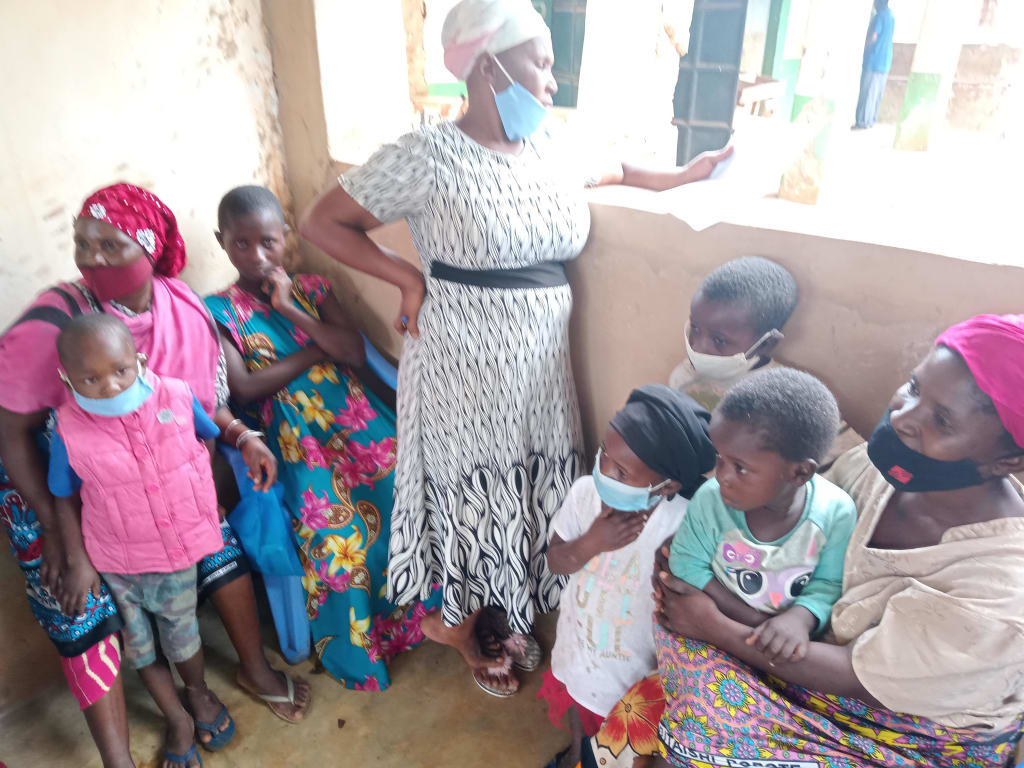
In a small rural village, children once played barefoot on dirt paths, oblivious to the unseen dangers lurking beneath their feet. For years, diseases spread silently, stealing health and hope from the most vulnerable. But change arrived with a revolutionary research project harnessing the power of artificial intelligence (AI). This initiative is not only saving lives but also transforming entire communities, bringing healthcare to places where it was once a distant dream.
The Problem
Neglected tropical diseases (NTDs) have long plagued low-resource areas, especially in regions with poor sanitation and open defecation zones. These conditions foster the spread of debilitating illnesses like soil-transmitted helminths, schistosomiasis, and lymphatic filariasis. For families living in poverty, access to timely diagnosis and treatment is a luxury they cannot afford, leaving them trapped in a cycle of illness and despair.
These diseases disproportionately affect children, who are most vulnerable to the long-term consequences, such as stunted growth and cognitive impairments. Additionally, adults living with untreated NTDs are unable to work or care for their families, further perpetuating the cycle of poverty and disease.
The Solution: AI in Diagnosis
To bridge this gap, our research team deployed AI technology to revolutionize the diagnosis of NTDs. Using affordable, portable digital microscopes and machine learning algorithms, we trained the system to identify parasitic infections with incredible accuracy.
This AI-powered diagnostic tool analyzes samples from patients and cross-references them with a vast database of known parasites, providing results in real-time. What used to take days or even weeks to confirm can now be diagnosed within minutes. This innovation was a game-changer for rural health clinics. Patients no longer had to travel long distances to access specialized diagnostic services. Instead, AI-assisted diagnosis brought precision healthcare directly to their doorstep, ensuring early detection and intervention.
One of the success stories is Amina, an eight-year-old girl who had suffered from chronic abdominal pain for years. She was initially misdiagnosed due to the lack of proper facilities, but with the introduction of AI-powered diagnostics, her condition was quickly identified as hookworm infection. Amina received life-saving medication within days, and her condition improved dramatically.
Beyond Diagnosis: Building Healthier Communities
Diagnosis was just the beginning. Every positive case was met with immediate treatment, often at no cost to the patient. However, treating the disease alone wasn’t enough; the root causes had to be addressed to prevent reinfection.
We partnered with public health officers to educate communities on the importance of sanitation and hygiene. Latrines were built in villages, and handwashing stations were established in schools. These initiatives drastically reduced reinfection rates and promoted healthier living conditions.
One of the most remarkable transformations occurred in a village where open defecation was the norm. Local health workers collaborated with the community to construct over 50 latrines, leading to a dramatic decline in disease prevalence. Children who once missed school due to illness were now attending regularly, and families were healthier and more productive.
Impact and Hope for the Future
Since the project began, hundreds of lives have been saved, and entire communities have experienced a renewed sense of hope. The combination of cutting-edge AI technology and grassroots public health efforts has proven that even the most neglected corners of the world can be reached.
This initiative has not only reduced the prevalence of NTDs but has also empowered communities to take control of their health. By addressing both immediate health needs and long-term sanitation challenges, the project is breaking the cycle of poverty and disease. Families who once struggled to survive are now thriving.
In addition, the success of this project has attracted attention from global health organizations. Partnerships are forming to expand the program into new regions, reaching even more vulnerable populations. With continued support, this model can be replicated in other countries suffering from similar health challenges.
Conclusion
This project is a testament to the power of innovation and collaboration. It demonstrates that no community is too remote or too poor to benefit from advancements in healthcare. The use of AI in diagnosing neglected tropical diseases has brought life-saving interventions to areas once forgotten.
As AI continues to evolve, it holds the potential to transform countless more lives, one diagnosis at a time. This project has not only improved health outcomes but also created a ripple effect that is breaking the cycle of poverty and disease. Together, we can ensure a healthier, brighter future for all.
About the Creator
kevan osundwa
"I am a dedicated and goal-oriented individual with a strong academic background. My passion for learning and contributing to positive social change motivates me to continuously grow both personally and professionally."
Enjoyed the story? Support the Creator.
Subscribe for free to receive all their stories in your feed.
Comments
There are no comments for this story
Be the first to respond and start the conversation.