
The Intersection Of Religion And Abortion Laws: How Faith-Based Advocacy Shapes U.S. Legislation
Abortion Laws

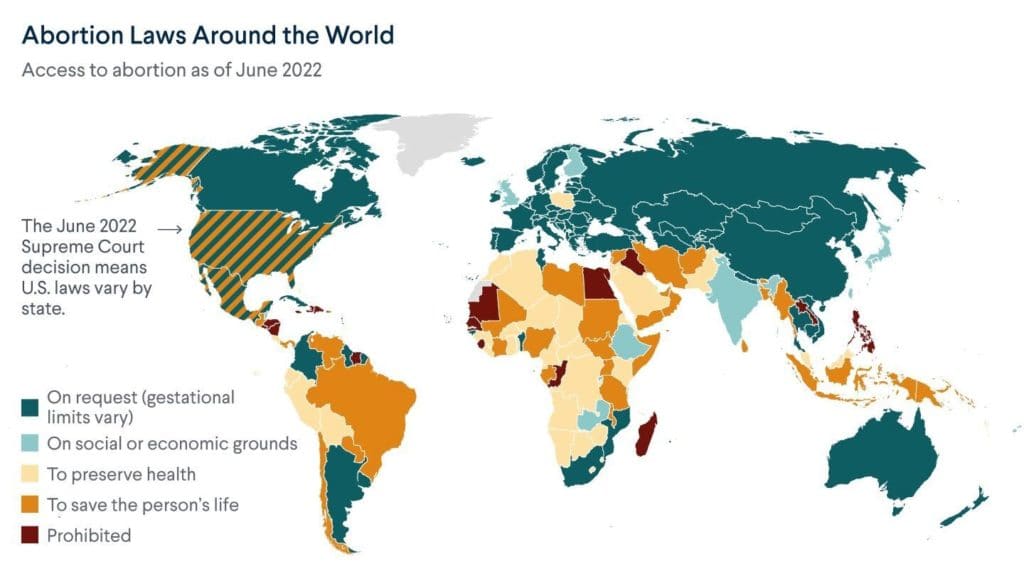
The U.S. legal landscape surrounding abortion has been deeply influenced by religious beliefs, particularly from Christian denominations. Over the decades, faith-based advocacy has played a key role in shaping abortion policies, with many religious groups leading the charge in both supporting and opposing reproductive rights. The intersection of religion and abortion laws highlights a complex battle where morality, politics, and public policy meet.
Historical Influence of Religious Groups
Religious opposition to abortion in the U.S. is primarily driven by conservative Christian denominations, especially the Roman Catholic Church and Evangelical groups. These faith communities view abortion as a violation of the sanctity of life, which has been a guiding principle in their advocacy efforts. As early as the 1970s, following the landmark Roe v. Wade decision, religious organizations rallied to reverse this legal precedent, fueling movements such as the "Right to Life" and "Pro-Life" campaigns.
These groups have not only shaped public opinion but have also significantly influenced political candidates and legislators. Many lawmakers, especially in conservative states, have introduced restrictive abortion laws based on religious values. This influence is evident in legislation that bans or severely limits access to abortion, framing it as a moral obligation to protect unborn life.
Modern-Day Faith-Based Advocacy
In today’s political environment, faith-based groups remain at the forefront of anti-abortion advocacy. Organizations such as the Family Research Council and Americans United for Life continue to push for stricter regulations on abortion, including access to abortion pills. These groups actively lobby for policies that limit the ability to purchase abortion pills online, emphasizing the ethical and moral objections rooted in their religious convictions.
On the other hand, not all religious groups share this stance. Progressive faith communities, including some Christian denominations and Jewish organizations, advocate for reproductive freedom, often supporting access to abortion as a matter of individual choice. They argue that religious freedom should also encompass the right to make personal medical decisions, including those related to abortion.
Faith-Based Advocacy and the Future of Abortion Laws
The overturning of Roe v. Wade in 2022 has reignited religious activism on both sides of the abortion debate. With more states passing restrictive abortion laws, religious groups continue to be powerful players in the legislative arena. Some states have passed "trigger laws" banning abortion, often influenced by religiously motivated politicians and activists.
The fight over medication abortion, particularly access to online abortion pills, is also a focal point of religious advocacy. Efforts to restrict the ability to online buy abortion pills or order abortion pills online have intensified, with faith-based groups pushing for stricter regulations. At the same time, reproductive rights advocates argue that these restrictions infringe on personal liberty and are disproportionately influenced by religious beliefs.
Conclusion
The intersection of religion and abortion laws is a dynamic and complex battleground in the U.S. Religious advocacy continues to play a pivotal role in shaping legislation, from restricting access to abortion pills to influencing state laws that limit reproductive choices. As debates over abortion rights evolve, the influence of faith-based groups will remain a crucial factor in the ongoing legal and ethical discourse surrounding reproductive health.
About the Creator
AbortionPillrx247 Online Shop
AbortionPillrx247 is trust-worthy- FDA-approved online pharmacy. Many of the offers & discounts are available on our website. We believe in putting in long hours to ensure that we are at top of people's minds
Enjoyed the story? Support the Creator.
Subscribe for free to receive all their stories in your feed.
Comments
There are no comments for this story
Be the first to respond and start the conversation.