
The Boy Who Painted With His Feet After Losing Both Hands
Doctors told him he would never create art again. Fourteen years later, his paintings hang in galleries he once dreamed of visiting on foot.
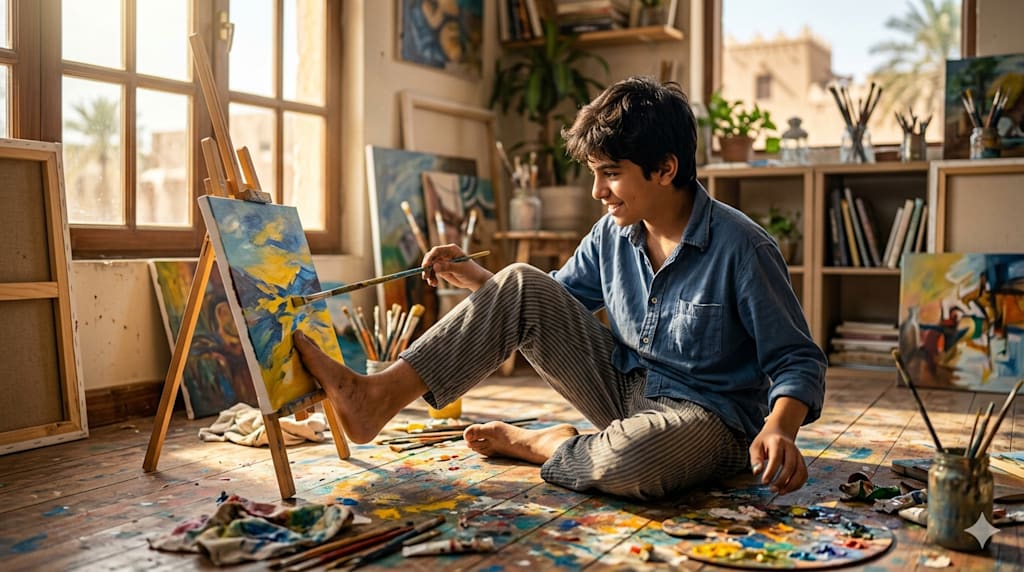
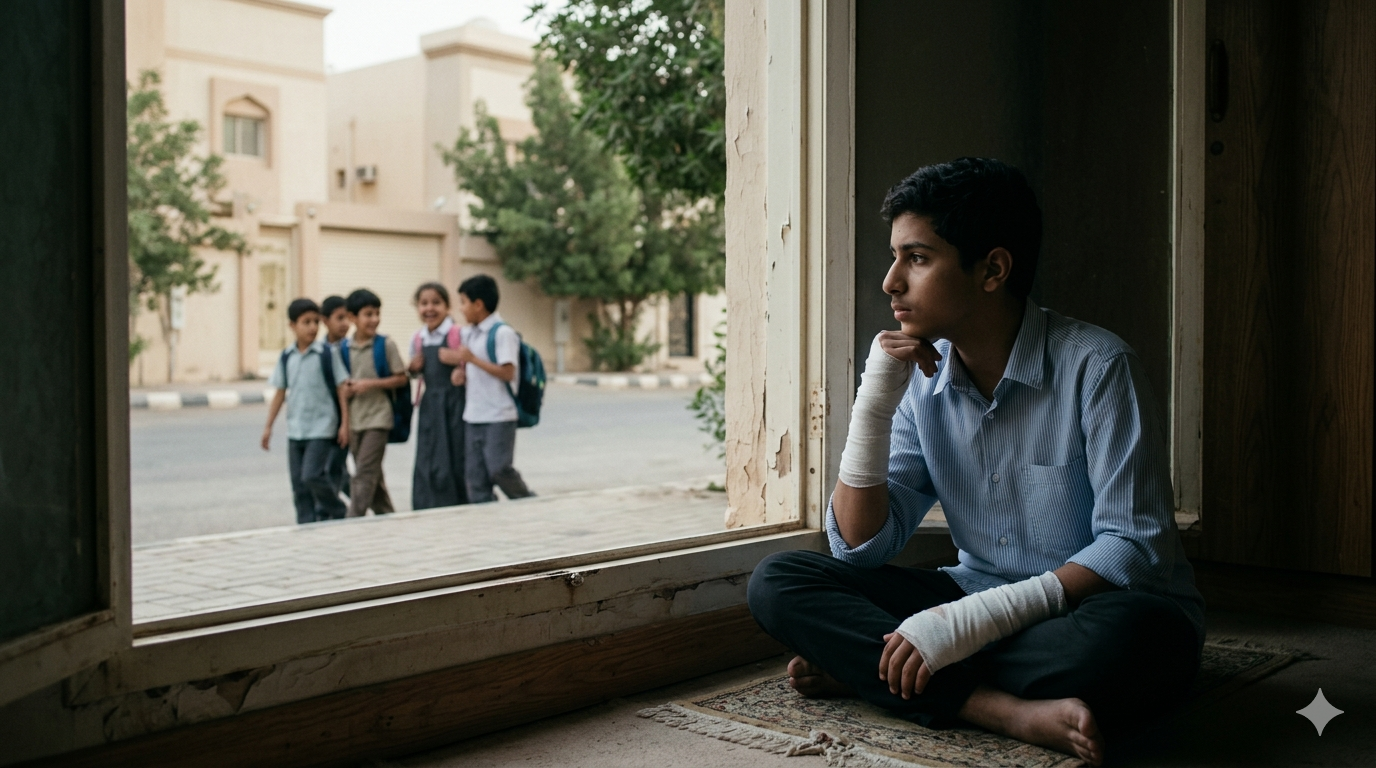
Salman was twelve years old when the accident happened. A faulty electrical wire at a local factory, where he had gone with his uncle for a delivery, took away both of his hands in a single, irreversible moment. He woke up in a hospital bed three days later to find his arms wrapped in bandages, ending just above where his wrists used to be. Before the accident, Salman had been known in his small town for one thing — his drawings. Teachers passed his notebook around the staff room. Neighbors asked him to sketch their children's portraits as gifts. Art wasn't just something he did; it was the only language that ever made him feel truly understood. When he opened his eyes in that hospital bed and looked at his bandaged arms, his first thought wasn't about pain. It was about silence — the silence of a language he feared he had just lost forever. For almost a year, Salman didn't speak much. He sat by the window of his small room, watching other children walk to school with bags on their backs, while he learned to do the most basic tasks again — eating, dressing, holding a cup — using whatever method his body could adapt to. His mother cried quietly in the kitchen most nights, believing she had lost not just her son's hands, but the brightest part of his spirit too. Then one ordinary afternoon, while sitting on the floor of his room, Salman noticed a paintbrush that had rolled near his foot. Almost out of habit more than hope, he tried to pick it up between his toes. It took him nearly twenty minutes just to hold it steady. He dipped it in leftover blue paint and dragged it across an old newspaper on the floor. The line was shaky, uneven, nothing close to his old work. But for the first time since the accident, Salman smiled. That shaky blue line became the beginning of a journey nobody — not his doctors, not his teachers, not even his own mother — believed was possible.
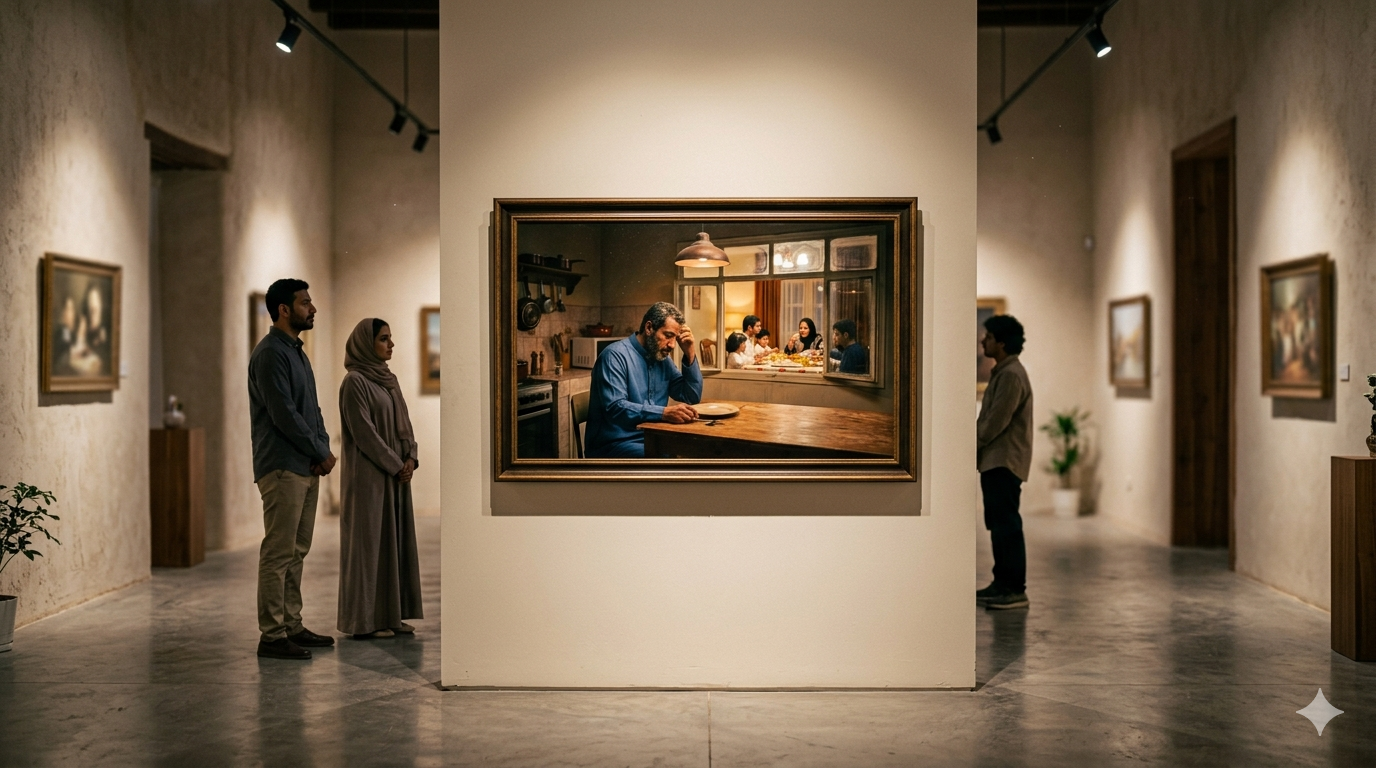
Salman practiced every single day. His feet cramped for hours in the beginning. The brush slipped constantly. Paint smeared in places he never intended. But slowly, month after month, his control improved. Lines became smoother. Shapes became recognizable. Colors began to blend with the same emotion they once held when his hands used to guide them. By the time Salman turned sixteen, he had completed his first full painting using only his feet — a portrait of his mother, sitting by the same kitchen window where she once cried for him in silence. When she saw it, she didn't cry from sadness this time. She held the painting against her chest and whispered, "You never lost your hands, beta. You just found new ones." Word of Salman's talent slowly spread beyond his town. A local newspaper covered his story, which caught the attention of an art teacher in the city who offered him a scholarship to a specialized art program. What followed were years of exhibitions, awards, and recognition that most able-bodied artists spend a lifetime chasing. Today, Salman's paintings have been displayed in galleries across multiple cities. Visitors often stand in front of his work for several minutes before reading the small placard beside it that explains how each piece was created — not with hands, but with patience, feet, and a refusal to let an accident define the rest of his story. When asked how he found the strength to start again, Salman gives an answer that has since been quoted in motivational speeches across his country: "The accident took my hands in three seconds. But it would have taken me thirty years to let it take my purpose too — and I simply refused to give it that much time." Salman's story is a reminder that the human spirit was never truly housed in the hands, the legs, or the body at all. It lives somewhere deeper — in the quiet decision to try again, even when trying looks nothing like it used to. Sometimes, the most beautiful art isn't found in perfect lines. It's found in the courage it took to draw the first shaky one.
About the Creator
Enjoyed the story? Support the Creator.
Subscribe for free to receive all their stories in your feed.
Comments
There are no comments for this story
Be the first to respond and start the conversation.