Vocal
"I Quit My Job with $500 in the Bank — What Happened Next Changed Everything"
I stared at the “Send” button on my resignation email for nearly ten minutes. My hands trembled slightly, heart pounding like a drum in my chest. There were only two things I was certain of: I hated my job, and I only had $500 to my name. Quitting a stable 9-to-5 in this economy with barely a safety net is the kind of decision people call stupid—unless it works. For me, it wasn’t about logic anymore. It was about survival—not financial, but emotional. I was 27, burnt out, and deeply unhappy. I couldn’t remember the last time I smiled and meant it. So I clicked “Send.” The moment I did, a rush of adrenaline surged through me, followed by a wave of fear. I had no backup plan, no wealthy relatives, no “passive income stream.” Just a cheap apartment, a pile of student loans, and that precious $500 in my bank account. The next morning, the reality hit harder. I woke up free—but free with zero income. My first instinct was panic, then denial, then oddly enough… calm. For the first time in years, I had no obligations, no endless emails, no fake smiles on Zoom calls. Just space. I gave myself two days to breathe. I took long walks, slept without setting alarms, journaled until my wrist ached. On day three, I made a list: skills I had, things I loved, and what I absolutely didn’t want to do anymore. Turns out, that list was more valuable than my entire resume. Here’s what I wrote: I’m good at writing. I know basic video editing. I can talk to people. I love storytelling. I don’t want to work for someone else—at least not full time. It wasn’t a business plan. But it was a start. With $500, I knew I had to stretch every dollar. I canceled every subscription. Ate nothing but rice, eggs, and frozen veggies. I sold old clothes online, made $85. Did a few dog-sitting gigs, earned another $60. That $500 became $645. Then I started writing. Blog posts, Medium articles, even ghostwriting on Fiverr. The pay was dismal at first—$10 for 1,000 words—but it was something. Every little win felt like a breakthrough. A week turned into a month. My bank balance still hovered dangerously low, but my confidence grew. I was learning how to survive without a corporate leash. I even landed a recurring gig writing social media content for a small brand—$200 a month. Not much, but it felt like striking gold. Then, something crazy happened. One night, out of pure boredom, I recorded a video titled, “I Quit My Job with $500—Here’s What Happened.” I posted it on TikTok with no expectations. It blew up. Within three days, it had 200,000 views. People flooded the comments: “This is exactly how I feel!” “You’re so brave.” “Please post updates!” So I did. Every few days, I posted new videos: my progress, my failures, how I managed rent, how I dealt with anxiety. I wasn’t trying to be a guru. I was just honest. And for some reason, people resonated with that. Brands reached out. A small finance app offered me $500 to talk about budgeting. A mental health startup sent me free therapy sessions in exchange for a review. My audience grew to 30,000 followers in a month. I went from nearly broke to making over $2,000 in 45 days—not by following a blueprint, but by telling my story. But it wasn’t all glamor. There were days I questioned everything. Days when I cried after checking my account balance. Nights when I almost gave up and reopened my LinkedIn. But every time, something small reminded me why I started—an encouraging comment, a DM from someone who said I helped them take a step they were scared of. It’s been six months now. I’m not rich. I still live in the same small apartment. But I’m paying my bills through freelance writing, content creation, and consulting. I make my own schedule. I work from cafes, parks, and sometimes my bed. I’ve learned more in these months than in all my years at that corporate job. Most importantly, I’m no longer surviving—I’m living. Here’s what I’ve realized: You don’t need a million dollars to change your life. Sometimes all you need is a little courage, a bit of grit, and the willingness to jump—even if it feels like you’re leaping into the unknown. I quit my job with $500. And what happened next? I finally met the version of myself I was always meant to become.
By Nizam khanabout a year ago in Motivation
The Lazy Genius Guide to Everyday Happiness
1. Wake Up, But Don’t Rush Start your day with presence, not pressure. Instead of diving straight into emails, to-do lists, or social media doomscrolling, try this: wake up, stretch, drink a glass of water, and take five slow breaths. That’s it.
By wawanhereraabout a year ago in Motivation
The Man Who Repaired Broken Umbrellas
In the heart of an old Indian neighborhood, just beside a crumbling tea stall, sat a little wooden shack. No one really noticed it much. It didn’t have a signboard or even electricity. But inside it sat Hari, the umbrella repairman.
By Mohammad Ashiqueabout a year ago in Motivation
"The Spark Within"
In the heart of a remote mountain village in Afghanistan, nestled among rocky cliffs and deep green valleys, lived a quiet, curious boy named Aariz. At just sixteen, he was known not for strength or status, but for his questions. He would sit for hours beside the old mulberry tree near the mosque, staring at the stars or sketching small machines in the dust with a stick.
By Rahimullah Mohmandabout a year ago in Motivation
I Lost My Job—And Found My Life
Losing your job is a moment that can feel like the end of everything. The day it happened to me, it felt like a silent collapse from within. I walked into my office expecting another ordinary Monday. By noon, I was packing up my desk, holding a severance letter, and avoiding eye contact with colleagues who didn’t know what to say.
By Muhammad alamabout a year ago in Motivation
The Power of Starting Small: Why Tiny Steps Lead to Big Change
We tend to wait. For the right time. For the motivation. For things to feel perfect. But here’s the truth: the biggest changes in life rarely begin with perfection. They begin quietly — with a choice so small, it almost feels insignificant. Starting small isn’t just okay. It’s powerful. It’s often the only way real, lasting change happens. Let’s explore why tiny steps aren’t just enough — they’re everything. --- ### 1. Big Dreams Are Built on Tiny Actions You see the success stories: - Someone wrote a bestselling book. - Someone lost 50 pounds. - Someone built a thriving business. But what you *don’t* see is how it started: - Writing 200 words on a lunch break. - Walking for 10 minutes a day. - Selling their first product to one friend. We romanticize the result, but ignore the process. Real success is boring before it’s beautiful. It’s routine before it’s rewarding. And it always starts smaller than you'd expect. --- ### 2. Small Steps Silence Fear Big goals often bring big fear. “Start a podcast? I’m not tech-savvy.” “Go to therapy? What will people think?” “Launch a course? What if no one buys it?” But small steps? They feel safe. Just record your voice for 30 seconds. Just research one therapist near you. Just outline your course idea in a notebook. When you shrink the task, you shrink the fear. Small steps make things possible. They help you act *before* fear talks you out of it. --- ### 3. You Create Identity Through Repetition James Clear says it well in *Atomic Habits*: > “Every action you take is a vote for the type of person you want to become.” When you show up daily — even in small ways — you cast votes for your future self. Walk for five minutes? That’s a vote for “I take care of my health.” Write a page? That’s a vote for “I’m a writer.” Reach out to one person? That’s a vote for “I build relationships.” Over time, the actions build the identity — not the other way around. --- ### 4. Momentum Is Born From Motion We wait to *feel* motivated. But the truth is: motivation follows movement. Once you start, even small steps generate energy. One drawer cleaned becomes a whole room. One email sent leads to a productive day. One page read reignites your love of learning. You don’t need to feel ready. You just need to move. Tiny motion leads to progress. Progress builds confidence. Confidence fuels consistency. --- ### 5. Small Successes Build Self-Trust Most people don’t struggle because they’re incapable. They struggle because they don’t trust themselves to follow through. But when you commit to something tiny — and actually do it — you rebuild that trust. You prove: “I do what I say I will do.” Even if it’s just drinking one glass of water. Or stretching for two minutes. Or journaling a single sentence. These small wins stack. They make you reliable to *yourself* — and that’s powerful. --- ### 6. Big Change Happens Slowly, Then All At Once You won’t see transformation overnight. But one day, you’ll look up and realize: - You feel stronger. - You think clearer. - You’re showing up with more purpose. - You’re becoming someone new — someone better. It didn’t come from a huge overhaul. It came from one small step at a time, repeated with care. --- ### Final Thoughts: Begin With One Tiny Step You don’t need a grand vision or a five-year plan. You don’t need to feel inspired or confident. You just need to take that first small step. Then the next. Then the next. And slowly, quietly, without the world even noticing — you’ll create a life you’re proud of. --- **What’s one tiny thing you’re ready to start today?** Drop it in the comments — and I’ll write something just for you to keep the momentum going.
By SHADOW-WRITESabout a year ago in Motivation
The Pleasure Trap
“I can think of nothing less pleasurable than a life devoted to pleasure.” — John D. Rockefeller At first glance, this sounds like a contradiction. Isn’t life about feeling good? Isn’t the pursuit of happiness, peace, and pleasure the universal human mission?
By Randolphe Tanoguemabout a year ago in Motivation
Encouraging Quotes for Teens That Really Work
Why Encouraging Quotes Matter for Teens Teenagers often face an array of challenges that shape their personalities and influence their futures. It can be hard to stay motivated because of things like school pressure and social problems. This is where the importance of encouraging quotes for kids becomes apparent. Strong words can make kids strong, positive, and sure of themselves, which can help them face life with hope and confidence. This article has some of the most powerful quotes that can really change the life of a teen.
By Teenage Parentingabout a year ago in Motivation
The Power of Starting Small: Why 15 Reads Mattered to Me
There’s something strangely terrifying about hitting “publish” for the first time. It’s just a button—one simple click—and suddenly, your words are out there. But behind that click is a storm of hesitation: self-doubt, vulnerability, and that little inner voice whispering, “What if no one reads it?”
By oksy putrianiabout a year ago in Motivation
Is Laziness a Myth? Why Motivation and Mental Health Matter More
The Origin of the “Lazy” Label The concept of laziness has long been used to shame people into action. In schools, workplaces, and even families, being called lazy often results in guilt or embarrassment. But labeling someone as lazy ignores the underlying reasons why they might be struggling to act.
By Muhammad about a year ago in Motivation
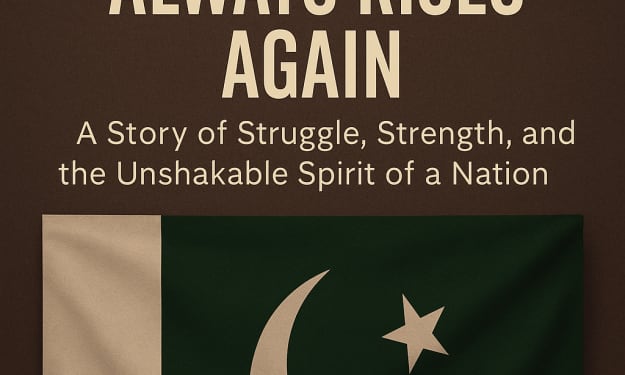
"Why Pakistan Falls—and Always Rises Again"
Why does it always happen to Pakistan?” This question echoes in the hearts of millions whenever calamity strikes—whether it’s a natural disaster, political instability, economic crisis, or social unrest. People wonder why hardship seems to knock at Pakistan’s door more than any other.
By Uzairkhanabout a year ago in Motivation