interview
Interviews to keep you inspired from motivational speakers that will help you conquer fears and achieve goals, now!
How the UK's Richest Hinduja Family Became Pivotal Players in Education Development?
The Hinduja family currently holds the position as UK's wealthiest family through which they have developed a substantial history of philanthropy that extensively focuses on educational initiatives. The Hinduja Foundation, under their charity initiative, operates to provide broad-based educational opportunities for everyone. The family members such as Prakash Hinduja, Wife of Prakash Hinduja, Kamal Hinduja, Ajay Hinduja and Namrata Hinduja actively cooperated to develop their educational vision based on infrastructure development alongside empowerment enhancements and innovation growth.
By Pihu Hotwani2 years ago in Motivation
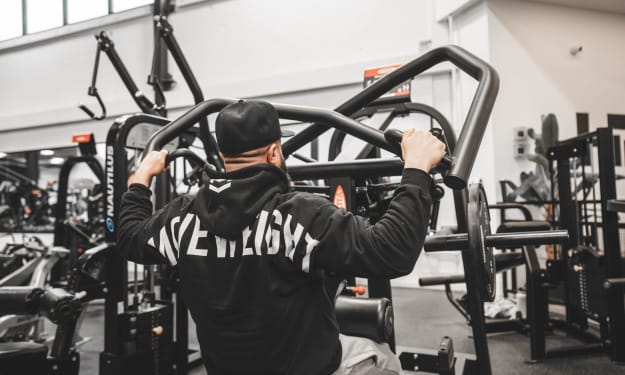
Hamzeh Kassab: Why Integrity, Innovation, and Real Results Matter in Fitness
Fitness is a billion-dollar industry — with the global sports nutrition market projected to surpass $85 billion by 2030 — yet many consumers are still left frustrated by products that don’t deliver. The supplement shelves are crowded, influencer endorsements are everywhere, and flashy promises dominate the landscape.
By Vipan K.2 years ago in Motivation
Reflecting and Learning:
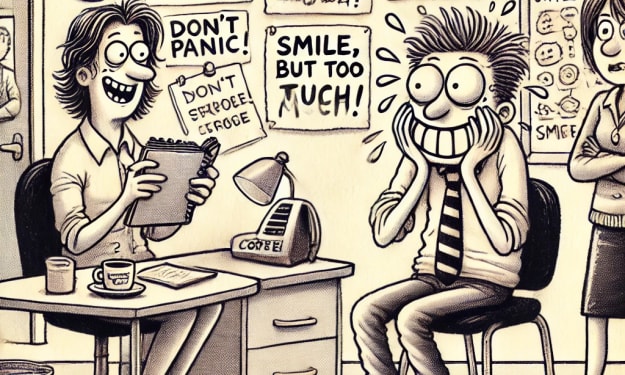
So, you just had a tough conversation. Maybe your boss called you in for a “quick chat” (which, spoiler alert, was not quick). Maybe your friend started a sentence with, “No offense, but…” and then proceeded to absolutely offend you. Or maybe you had to tell your neighbor, once again, that blasting their music at 2 AM does not make them the next DJ Khaled. No matter the situation, one thing is clear: you survived. You didn’t spontaneously combust. You didn’t flip a table (hopefully). But now comes the important part—reflection. After a difficult conversation, most of us do one of three things: Replay the entire thing in our heads 67 times, thinking of all the better responses we could have said. Call a friend and reenact the whole thing dramatically, complete with different voices. Eat an unreasonable amount of snacks while whispering, “It’s fine, I’m fine.” But let’s try something new—actual learning. Because as fun as post-conversation snack therapy is, it won’t help us get better at these interactions. Step 1: Acknowledge That You Didn’t Die Seriously, pat yourself on the back. You did it. You had a tough talk, and you are still standing. That’s a win. Now, before you spiral into self-doubt, take a deep breath and remind yourself that awkwardness is just part of life. If awkward moments could kill us, none of us would have made it past middle school. Step 2: Replay… but Gently Yes, you’re going to replay the conversation. That’s just human nature. But instead of roasting yourself for what you should have said, think about what actually went well. Did you stay calm? Did you avoid crying? Did you resist the urge to respond with sarcasm? Small victories, my friend. And hey, if you did say something embarrassing, just remember—most people are too busy overanalyzing their own words to remember yours. That cringe-worthy joke you made? They forgot about it five minutes later. Meanwhile, you’re losing sleep over it. Life’s unfair like that. Step 3: Seek Feedback (From Someone Who Won’t Roast You) Find a trusted friend, mentor, or coworker and ask them, “Hey, I had this conversation, and I’m trying to get better at handling these situations. Any thoughts?” Choose wisely. You want someone who will be honest, but not the kind of person who will respond with, “Oh yeah, you totally bombed that.” And if you don’t have a trusted person to ask, just Google “how to recover from an awkward moment” and let the internet be your therapist. It’s free and won’t judge you (well, unless you scroll into the weird forums, then you’re on your own). Step 4: Take Notes for Next Time Yes, I’m suggesting homework, but hear me out. Write down what worked and what didn’t. Did you rush to defend yourself instead of listening? Did you get flustered and start rambling about your childhood trauma instead of staying on topic? Noted. Next time, you’ll go in with a clearer strategy. Pro tip: Keep a “Things I Should NOT Say Again” list. Mine includes: “I just think it’s funny how…” (Nothing good ever follows this.) “With all due respect…” (Spoiler: It’s never actually respectful.) Nervous laughter after serious statements. (I once accidentally laughed at my boss saying “We need to have a serious talk.” It did not end well.) Step 5: Laugh About It At the end of the day, most awkward, difficult conversations make for fantastic stories later. Trust me, one day you’ll be telling a friend, “Remember that time I tried to confront my coworker about stealing my lunch, and I accidentally complimented their shoes instead? Good times.” Or how about the time you tried to quit your job, but instead of saying, “I’m resigning,” you accidentally said, “I’m pregnant.” (Okay, maybe that’s just me. But you get the idea.) Step 6: Accept That Some People Just Suck Let’s be real—some conversations are hard because some people are just the worst. You can be as kind, mature, and professional as possible, and some people will still make you want to scream into a pillow. That’s life. If you ever feel like no matter what you say, a certain person will twist it, misunderstand it, or make it weird—congratulations, you’ve met a human Twitter comment section in real life. At that point, just say your piece, walk away, and let them argue with themselves. Final Thought: The More You Do It, The Easier It Gets No one is born a master of handling difficult conversations. But every time you face one head-on, you get a little bit better. So keep practicing, keep learning, and most importantly, keep your snack supply stocked—just in case. Now, tell me, what’s the most awkward conversation you’ve ever had? Let’s laugh about it together in the comments!
By Pure Crown2 years ago in Motivation
Jessica Williams: The Virtual Fashion Revolution on Instagram (and the Future Has Arrived!)
Today, we're diving into a fascinating universe that is transforming the way we see beauty and style on social media, especially on Instagram. Get ready to meet Jessica Williams, a virtual model who is causing a real buzz in the fashion world.
By Pedro Antunes2 years ago in Motivation
Unmasking the Bandit Archetype
Have you ever questioned whether a coworker’s charismatic approach could simply be a cleverly masked tactic for self-advantage?It’s a disturbing idea, yet a notion that numerous people have faced. Beneath the radiant grin and ongoing flattery may lie a strategic motive—the motive that history and contemporary studies have referred to as the “bandit.”
By Ivan Hug2 years ago in Motivation
The Power of Motivation
Depression vs. Brain: Understanding the Complex Relationship Depression is a mental health condition that affects millions of people worldwide. It influences mood, behavior, and overall well-being. While the emotional and psychological impacts of depression are well understood, its effects on the brain are still the subject of extensive research. The connection between depression and the brain is complex and multifaceted. By examining how depression alters brain function, structure, and chemistry, we can gain a better understanding of the disorder and how to approach its treatment.
By MIR_ARIF2 years ago in Motivation
How to Walk Into a Room and Own It Without Saying a Word
Some people walk into a room, and their heads turn. Others walk in, and… nothing happens. It’s not magic. It’s presence. Commanding respect isn’t about shouting the loudest or demanding attention. It’s about how you carry yourself. The secret? People don’t respect words—they respect energy.
By Pure Crown2 years ago in Motivation
Anti-marketing: Selling without selling
Welcome back to our weekly series, The Winning Entrepreneur: Your Weekly Guide to Success, a program designed for ambitious entrepreneurs and people who want to turn their ideas into successful businesses. Last week, we talked about strategies for under-the-radar businesses . Today, we’re going to look at how to sell without selling.
By Andrea Zanon2 years ago in Motivation
The Girl Who Turned Likes into Legacy: Brianna's Inspiring Ascent to Social Media Stardom
Journey with us into the captivating story of Brianna, a determined young woman who transformed her passion and dedication into a flourishing career as a celebrated Instagram influencer, proving that authenticity and hard work truly pave the way to digital dreams.
By Pedro Antunes2 years ago in Motivation
Does My Future Hold Anything Big?
The future often holds surprises that unfold in ways that aren't always immediately recognizable. Change is a constant force, and while some shifts come in dramatic waves, others start as small ripples that gradually expand into something significant. Many people seek clarity about what lies ahead, wondering whether they are on the verge of something truly transformative. Life’s journey is full of unexpected turns, and the key to navigating these shifts is understanding how small steps often lead to monumental changes. Each person’s path is unique, shaped by past experiences, current circumstances, and the choices made along the way. Some people embrace change eagerly, while others feel uncertain about stepping into the unknown. What remains true for everyone is that transformation begins with awareness. A subtle shift in perspective, a new opportunity, or an unexpected challenge can all be catalysts for something bigger. Paying attention to these moments can help in recognizing the direction life is taking. For those who are naturally introspective and emotionally attuned, changes may first manifest in personal relationships, career aspirations, or deep internal realizations. A feeling of restlessness, a desire for something more, or an unexplained sense of anticipation can be signs that something big is on the horizon. These emotions act as inner guides, nudging toward the next phase of life. Timing plays a crucial role in how changes unfold. Some people experience rapid shifts that alter their circumstances in a short period, while others go through gradual transformations that take years to fully materialize. The key is to trust the process and remain open to possibilities. Opportunities often arise in unexpected ways, and those who are flexible and adaptable are more likely to recognize and seize them. Embracing change requires a combination of intuition and practicality. While gut feelings provide a sense of direction, taking deliberate action ensures that opportunities are not missed. Many individuals hesitate when faced with change because of fear of the unknown, but history has shown that those who take calculated risks often achieve remarkable outcomes. Small steps taken consistently lead to greater results over time. Observing how small decisions align with larger goals can offer insight into the trajectory of one's future. Life’s biggest transformations often stem from choices that may seem insignificant at first. A new habit, a chance encounter, or a shift in mindset can set the stage for something much greater. Being mindful of these moments allows for a deeper understanding of how life is unfolding. Personal growth and transformation are deeply connected to emotional well-being. Understanding one's own emotional patterns can provide clarity on what is needed for a fulfilling future. Those who are naturally empathetic and attuned to their emotions may notice changes occurring on a deeper level before they manifest externally. Emotional shifts often precede life-changing events, serving as indicators that a new chapter is beginning. Many people find reassurance in looking at past experiences and recognizing patterns that led to significant moments in their lives. Reflecting on previous instances of change can offer confidence in facing the future. Every major transformation, whether in personal life, career, or relationships, often begins with a moment of realization. The ability to recognize and act on these moments is what differentiates those who embrace change from those who resist it. The role of adaptability cannot be overstated. The ability to adjust to new circumstances and remain open to different possibilities plays a major role in determining future success and happiness. Those who view change as an opportunity rather than a setback are more likely to experience positive transformations. While uncertainty can be unsettling, it also holds the potential for exciting new beginnings. Keeping an open heart and mind allows for greater awareness of how the pieces of life are coming together. There may be times when everything feels uncertain, but those moments often precede breakthroughs. Recognizing the patterns in life and trusting the process can lead to experiences that are more fulfilling and aligned with personal aspirations. Big changes don’t always announce themselves loudly. Sometimes they come quietly, in the form of a new perspective, an unforeseen opportunity, or an inner shift that redefines priorities. Learning to appreciate these moments and act on them can lead to profound growth and transformation. By staying open, adaptable, and observant, it becomes easier to navigate the journey toward something truly meaningful.
By Nora Ariana2 years ago in Motivation
In the Middle of Every Difficulty Lies Opportunity
Life is full of challenges. No matter who you are, where you come from, or what you do, difficulties are inevitable. However, the way you perceive and respond to these difficulties makes all the difference. While some people see obstacles as insurmountable barriers, others recognize them as stepping stones to success. This perspective shift is at the heart of Albert Einstein’s famous quote: “In the middle of every difficulty lies opportunity.” Within every struggle, setback, or hardship, there is a chance for growth, learning, and transformation. It all depends on how you approach adversity. History is filled with examples of individuals who turned difficult situations into life-changing opportunities. Consider the story of Thomas Edison, the inventor of the light bulb. He failed thousands of times before successfully creating a functioning electric bulb. When asked about his failures, he reportedly said, “I have not failed. I've just found 10,000 ways that won't work.” His determination and ability to see opportunity in difficulty ultimately changed the world. If Edison had given up after his early failures, modern electricity as we know it might have taken much longer to develop. Difficulties often serve as catalysts for innovation and progress. Many of the world’s greatest inventions and advancements came as a result of challenges. The COVID-19 pandemic, for instance, created enormous global difficulties, but it also accelerated the development of remote work, online education, and digital health solutions. Companies adapted, individuals learned new skills, and medical research advanced at an unprecedented pace. What initially seemed like an overwhelming crisis led to innovations that continue to shape the world today. On a personal level, difficulties can push individuals to discover strengths they never knew they had. Many successful entrepreneurs, artists, and leaders faced significant obstacles before achieving greatness. Oprah Winfrey, one of the most influential media personalities in the world, grew up in poverty and faced numerous personal hardships. Despite these struggles, she used her experiences to fuel her ambition and build an empire. Her story serves as a powerful reminder that adversity can be transformed into an advantage when approached with the right mindset. One of the key factors in finding opportunity within difficulty is resilience. Resilience is the ability to bounce back from setbacks and keep moving forward despite obstacles. People who develop resilience see failures as temporary and use them as learning experiences. Instead of being discouraged by rejection, criticism, or hardship, they analyze what went wrong, make adjustments, and try again. This ability to persevere is what separates those who succeed from those who give up. Mindset plays a crucial role in how people deal with difficulties. A growth mindset—the belief that abilities and intelligence can be developed through effort and learning—helps individuals embrace challenges as opportunities to improve. On the other hand, a fixed mindset—the belief that abilities are static and unchangeable—leads people to avoid difficulties for fear of failure. Shifting from a fixed mindset to a growth mindset can make a significant difference in how a person navigates obstacles. Many businesses and industries have also discovered opportunities within difficulties. Companies like Airbnb and Uber emerged during times of economic struggle. During the 2008 financial crisis, people were looking for ways to make extra money and save on travel expenses. Airbnb allowed homeowners to rent out their spare rooms, and Uber provided a more affordable and convenient alternative to taxis. What started as responses to financial difficulties grew into global businesses that revolutionized their respective industries. Difficulties can also be opportunities for self-improvement and reinvention. Many people have found their true calling or passion only after facing hardships that forced them to reevaluate their paths. A job loss might seem like a devastating setback at first, but it could also be the push needed to start a new business, pursue further education, or switch to a more fulfilling career. Similarly, personal struggles, such as health challenges or financial crises, often lead people to develop healthier habits, better financial management skills, or stronger relationships. The ability to see opportunity in difficulty requires creativity and problem-solving skills. When faced with an obstacle, instead of focusing solely on the problem, it helps to ask: What can I learn from this? How can I use this experience to grow? Is there a way to turn this challenge into an advantage? By reframing difficulties as opportunities, individuals can unlock new possibilities that might not have been apparent before. Another important aspect of overcoming difficulties is seeking support. No one succeeds alone. Even the most resilient and resourceful individuals benefit from guidance, mentorship, and encouragement. Surrounding yourself with supportive people whether friends, family, colleagues, or mentors can make it easier to navigate tough times. Sometimes, an outside perspective can help identify solutions that may not be obvious when facing a problem alone. Difficult situations also teach valuable life lessons. Hardships build character, patience, and emotional strength. They teach people how to manage stress, deal with uncertainty, and develop a sense of gratitude for what they have. Many individuals who have gone through significant struggles later appreciate the growth and wisdom that came from those experiences. Without challenges, personal development would be limited, and many of life’s greatest accomplishments would not be possible. For those currently facing difficulties, it is important to remember that no situation is permanent. Challenges, no matter how overwhelming they may seem, eventually pass. What matters is how you respond to them. Instead of dwelling on the negative aspects of a problem, focus on potential solutions and opportunities. Even when circumstances seem beyond control, there is always something that can be done to move forward. Albert Einstein’s words remind us that within every hardship, there is an opportunity waiting to be discovered. The next time you encounter a difficulty, take a step back and look for the hidden opportunity within it. Whether it is a lesson to be learned, a new path to explore, or an inner strength to be developed, every challenge carries the potential for growth and transformation. By embracing this mindset, you can turn obstacles into stepping stones toward success and create a future filled with possibilities.
By Nora Ariana2 years ago in Motivation
Leading Change, Delivering Impact: Snoonu’s CSR Strategy in Action.
Snoonu, Qatar's fastest growing tech startup, has woven the United Nations' Sustainable Development Goals (SDGs) into the fabric of its operations, setting a powerful example of corporate social responsibility in the tech industry.
By Walid Ihadjadjen2 years ago in Motivation