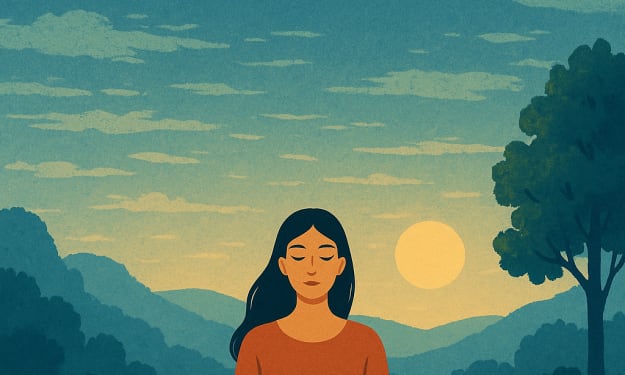
healing
How to heal fully and properly.
The 15 Rules of Money
Eli had always believed that working hard would eventually lead him to wealth. But despite clocking long hours and being dedicated to his job, he found himself constantly treading water... living paycheck to paycheck, with no real savings or investments. He wasn’t irresponsible. He just didn’t know the rules of money.
By MIGrowth2 years ago in Motivation
The Spark That Ignited Change.
Once upon a time, in a small town nestled between rolling hills, there lived a young woman named Clara. She had always dreamed of achieving great things, but for years, she struggled with self-doubt and fear of failure. Every time an opportunity came her way, she would freeze, unsure of whether she was good enough to pursue it. Her heart would race, and her mind would be filled with a million "what ifs"—what if she wasn't smart enough, strong enough, or talented enough to succeed? These thoughts held her back, trapping her in a cycle of hesitation.
By Rida Nitaj2 years ago in Motivation
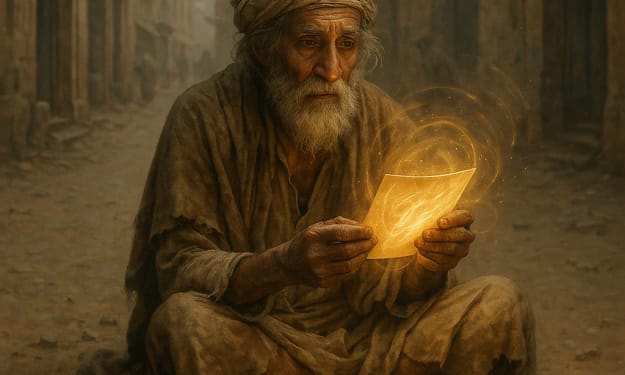
The Beggar Who Traveled Through Time
It was a hot, dry afternoon in Lahore. The traffic hummed past on the main road, indifferent to the man who sat under the broken shade of a neem tree. He was a beggar, or at least he looked like one. His clothes were patched and faded, his beard unkempt, and his eyes half-closed. He sat there every day, mumbling verses no one cared to understand. Children laughed and ran past him, some throwing coins, others insults. Shopkeepers ignored him, and passersby pretended not to notice. But no one knew that this man, who called himself Baba Zamaan, was once a scientist, and not just any scientist—he was the mind behind a secret government experiment that had failed twenty years ago. Back in 2005, Baba Zamaan, then known as Professor Zaman Ali, had been working on a project called “ChronoKey”—a device that could unlock fragments of time. Funded in secrecy, tested in silence, it was meant to open a controlled ripple through time. But the experiment had gone horribly wrong. During the final test, the device exploded, and Zaman vanished. He was presumed dead. But he didn’t die. He had jumped. Not forward. Not backward. Sideways—in a sliver of time that ran parallel to ours. There, he had no food, no water, no sound, only darkness and echoes of forgotten moments. He wandered in that realm for what felt like years. Time was meaningless there. Until one day, he found a way back. When he reappeared in the middle of a street in Lahore, no one recognized the aged, disoriented man. He had no memory of who he was. The trauma of timeless isolation had shattered his mind. All he remembered was the device, and a whisper: “Time is a beggar’s game.” Years passed. Zaman, now Baba Zamaan, became a fixture on the roadside. His mind flickered between brilliance and madness. He wrote symbols on the dirt with a stick, muttering equations that even advanced physicists would struggle to understand. One rainy afternoon, a university student named Faraz noticed the old man. Faraz was curious by nature and intrigued by the strange symbols the beggar scribbled. He began visiting him daily, sitting beside him, asking questions. At first, Baba Zamaan ignored him. But slowly, the fog in his mind began to lift. He spoke in riddles, asking Faraz, “If time is a river, do you drink from it, or do you drown?” Faraz laughed, but listened. One day, Baba Zamaan handed him a crumpled notebook. “This,” he said, “is the map of the hours lost.” Inside were sketches of a device, pieces of equations, and a final note: "The ChronoKey still breathes. Under the earth, beneath the light." Driven by curiosity, Faraz took the notebook to his physics professor, Dr. Ishrat. The professor’s face turned pale as he read. “Where did you get this?” When Faraz told him about the beggar, Dr. Ishrat’s hands trembled. “This… This is Professor Zaman Ali’s work. He disappeared two decades ago. We all thought he died.” Excited and shocked, Faraz and Dr. Ishrat returned to the spot the next morning, but Baba Zamaan was gone. Only a symbol remained, etched in the mud: the symbol of the ChronoKey. Weeks passed. Faraz couldn’t sleep. He kept studying the notebook until one night, something clicked. He built a prototype, crude but functional. When activated, it emitted a soft hum and projected a hologram of Baba Zamaan. In the hologram, Baba spoke clearly: “If you’ve found this, then time has chosen you. I am no longer of this world, but of many. Don’t look for me. Look ahead. One day, you too will stand at the edge of time. Choose wisely.” Faraz never saw Baba again. But he knew he hadn’t imagined him. That hologram, the equations, the memory—they were all real. He buried the ChronoKey prototype in a box and hid it in his closet. Years later, Faraz became a renowned physicist. He never told anyone the full story. But whenever he passed that old neem tree, now long gone, he whispered, “Thank you, Baba Zamaan.” And somewhere in the sliver of time, an old beggar smiled, whispering, “The river flows on.”
By Noman Afridi2 years ago in Motivation
Max and the Big Mess
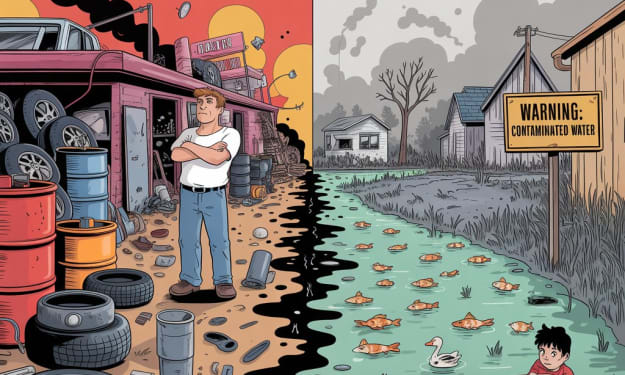
Max Turner ran a small car repair shop on the edge of Greenhill, a peaceful town surrounded by woods, farms, and a river that snaked through the valley. People in Greenhill cared about their environment—farmers composted, kids recycled at school, and even the mayor rode a bicycle to work on most days. But Max? Max didn’t care.
By Doost Muhammad2 years ago in Motivation
The Majesty of the Falcon: A Symbol of Power and Grace
The falcon, often revered for its strength, grace, and precision, is more than just a bird of prey. It represents power, freedom, and the spirit of unyielding determination. Known for its unmatched hunting skills and exceptional flying abilities, the falcon has captivated the human imagination for centuries. But there’s something deeper, something symbolic, that sets this magnificent bird apart. This story aims to delve into the majestic world of the falcon, unraveling its profound impact on nature, culture, and the human heart. --- A Hunter Like No Other The falcon’s reputation as a formidable hunter isn’t just folklore. It is a bird of exceptional skill and precision. With its aerodynamic body built for speed and agility, the falcon can reach astonishing speeds of over 240 miles per hour when diving. This makes it the fastest bird in the world and the fastest animal on the planet. Its sharp talons and keen eyesight allow it to swoop down upon its prey with deadly accuracy. In the wild, falcons are known to hunt small to medium-sized birds and mammals. But beyond their role as predators, they are symbols of perseverance, as they never give up on their pursuit, relentlessly chasing their target until they achieve success. --- A Symbol of Freedom For many cultures, the falcon is not just a bird; it’s a symbol of freedom and courage. In ancient civilizations, falcons were seen as messengers between the heavens and earth, representing the connection between the mortal world and the divine. Egyptians, for example, associated the falcon with Horus, the god of the sky, representing strength and protection. In the modern world, the falcon continues to inspire people, particularly those who value independence and self-reliance. It reminds us that, just like the falcon in the sky, we too can rise above obstacles and soar to greater heights. Its presence in literature, art, and mythology continues to evoke feelings of awe and reverence, urging humanity to seek freedom and greatness. --- The Bond Between Human and Falcon Perhaps one of the most fascinating aspects of the falcon is its relationship with humans. Falcons have been used in falconry for over 3,000 years, making it one of the oldest forms of hunting. The bond between a falconer and their bird is a unique one, built on trust and respect. In ancient times, falconry was a sport of royalty, symbolizing status, wealth, and a deep connection with nature. Even today, falconers around the world maintain this ancient tradition, training falcons to hunt with them. The bond between the falconer and the falcon is one of mutual understanding. The falcon, wild at heart, learns to trust the falconer, while the falconer learns to respect the falcon's natural instincts. This partnership is a testament to the deep respect humans have for these majestic creatures and their place in the world. --- Falcons in Modern Culture The influence of the falcon extends far beyond hunting and symbolism. Today, it appears in sports team logos, military insignias, and even on the flags of several nations. It’s a symbol of precision, power, and focus—qualities that are highly valued in modern society. The falcon's sharp focus on its target, its ability to move swiftly, and its instinctive drive to succeed resonate with people in various walks of life. In the world of aviation, the falcon has even inspired aircraft designs, with engineers studying the bird’s flight mechanics to create faster, more efficient airplanes. The falcon’s sleek and aerodynamic body continues to inspire innovations in technology, design, and engineering, showing how nature often serves as the ultimate blueprint for human progress. --- The Spiritual Significance of the Falcon Beyond its physical attributes, the falcon holds significant spiritual meaning. Many spiritual leaders and philosophers have drawn parallels between the falcon's unyielding determination and the pursuit of higher knowledge. Just as the falcon rises above the clouds, humans are urged to rise above their limitations and chase after enlightenment and truth. In some traditions, falcons are seen as spirit guides, representing vision, clarity, and the ability to see things from a higher perspective. They are symbols of a spiritual journey—reminding us to seek clarity in our own lives, to rise above the noise and distractions, and to find our true path. --- Conclusion: The Timeless Legacy of the Falcon The falcon is much more than a bird of prey. It’s a creature that represents the best of what humanity strives to be: powerful, free, precise, and wise. Through its speed and elegance, the falcon has carved its place in the hearts and minds of people across the world. Whether as a symbol of strength in ancient cultures or as a modern-day inspiration, the falcon continues to soar high, leaving a legacy that will endure for generations to come. The falcon is not just a bird; it is a reminder of our potential to rise above, to hunt our goals with determination, and to soar to new heights, no matter what challenges lie ahead.
By Noman Afridi2 years ago in Motivation
"Pornography and Society: Understanding its Impact, Ethics, and Future"
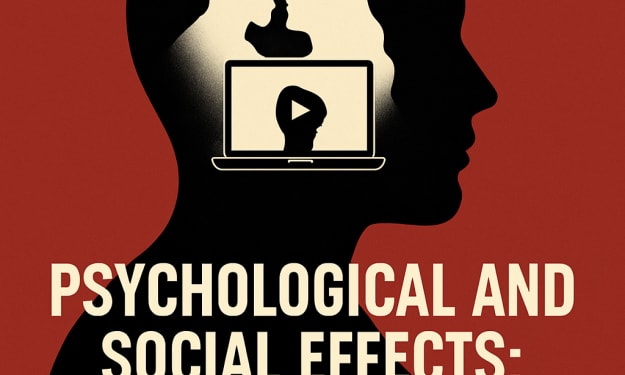
Psychological and Social Effects: How Pornography Shapes Minds and Relationships In the modern era, pornography has become an omnipresent part of the digital landscape, deeply intertwined with the fabric of daily life. It is no longer just confined to seedy corners of the internet but is easily accessible, often just a click away. For many, pornography is an expression of personal freedom and sexual exploration, but its pervasive nature also raises concerns about its psychological and social consequences. As the consumption of adult content continues to rise, researchers, psychologists, and sociologists are increasingly examining its profound impact on individuals and relationships. While some argue that pornography is harmless or even beneficial for certain aspects of sexual education and expression, others caution about its potential to distort perceptions of intimacy, influence sexual behavior, and contribute to unrealistic expectations in relationships. The psychological effects of pornography consumption are complex and multifaceted. On one hand, some studies suggest that it can serve as a harmless outlet for sexual desires or even a tool for learning about sexuality, especially when access to comprehensive sexual education is limited. In this context, pornography can offer individuals a means of exploring their sexual identity and desires in private. However, the problem arises when consumption becomes excessive or when it shapes an individual's sexual framework in unhealthy ways. Research has shown that frequent pornography consumption can lead to the desensitization of sexual stimuli, meaning individuals may become accustomed to more extreme or unrealistic content to achieve the same level of arousal. Over time, this could contribute to a diminished capacity for real-life sexual enjoyment, as partners may not be able to match the intense, often exaggerated scenarios depicted in pornographic media. In addition to desensitization, the potential for addiction is a concern. While not everyone who consumes pornography becomes addicted, there is evidence to suggest that some individuals may develop compulsive viewing habits. This can lead to significant distress and interfere with daily life. Similar to other behavioral addictions, pornography addiction can create a cycle of secrecy, shame, and withdrawal from real-world interactions, making it harder for individuals to form and maintain healthy relationships. People struggling with porn addiction often experience feelings of guilt and embarrassment, further exacerbating the psychological toll. They may also find it increasingly difficult to experience intimacy or arousal in the absence of pornographic content, which can create a vicious cycle of dependency. One of the most concerning psychological effects is the potential for distorted views on sexuality and relationships. Pornography often portrays an unrealistic and idealized version of sexual encounters, focusing heavily on physical pleasure while minimizing or ignoring emotional connection, communication, and mutual respect. In many cases, the content also reinforces harmful gender stereotypes and unrealistic expectations about body image, performance, and sexual behavior. For instance, women in pornography are frequently objectified, depicted as submissive or passive, while men are often shown as dominant and physically perfect. These portrayals can skew perceptions of gender roles and sexuality, especially for individuals who are not exposed to diverse or healthy representations of relationships. When these unrealistic ideals are internalized, they can lead to dissatisfaction with real-life sexual experiences and distorted expectations about what is normal or desirable in a partner. The social effects of pornography consumption extend beyond the individual level and into broader societal implications. Pornography, by its nature, is often detached from the complexities of human connection, reducing sexual encounters to a mere exchange of physical pleasure. This detachment can lead to a devaluation of intimacy in real-world relationships, where emotional and physical connection are equally important. Research suggests that couples who consume pornography together may experience a decline in relationship satisfaction, as one or both partners may develop unrealistic sexual expectations. These expectations can create pressure to perform in certain ways, leading to dissatisfaction and, in some cases, relationship breakdowns. Moreover, pornography can contribute to a culture of objectification, where individuals are seen not as whole, complex human beings but as bodies to be used for sexual pleasure. This objectification can be particularly damaging in intimate relationships, where partners may struggle to view each other as more than just sexual objects. Over time, this can erode the foundation of trust, respect, and emotional intimacy that is essential for healthy, lasting relationships. For those in committed partnerships, the consumption of pornography can sometimes lead to feelings of betrayal or insecurity, especially if one partner feels neglected or insufficient compared to the hypersexualized imagery seen in adult content. The issue of consent is another critical social dimension of pornography. While ethical porn does exist, much of the mainstream adult industry has been criticized for exploiting performers, often under circumstances that may not reflect mutual, informed consent. This creates a troubling paradox in which consumers of pornography might internalize notions of sexual exploitation or coercion, impacting their own behaviors and attitudes toward sex. In this context, pornography does not only shape sexual expectations but may also contribute to a culture of entitlement, where consent is overlooked or misinterpreted. Despite these negative impacts, there are ways to mitigate the harmful psychological and social effects of pornography. Education, both about healthy sexual relationships and the potential risks associated with pornography consumption, can help individuals develop a more balanced perspective. Open conversations about sexuality and intimacy can also create a foundation for mutual respect and understanding in relationships. For individuals struggling with compulsive pornography consumption, seeking professional help, such as therapy or support groups, can provide strategies to manage or overcome addiction. In conclusion, the psychological and social effects of pornography are complex and multifaceted, influencing both individual well-being and broader societal attitudes toward sexuality and relationships. While it is essential to acknowledge that not everyone who consumes pornography experiences negative consequences, the potential for harm, especially when consumption becomes excessive or distorted, cannot be ignored. By fostering open discussions, promoting ethical consumption, and offering resources for those who struggle with addiction, society can help mitigate the impact of pornography and support healthier, more fulfilling relationships.
By Abid khan2 years ago in Motivation
10 Proven Strategies to Enhance Patient Satisfaction in Healthcare
Delivering high-quality care is no longer just about accurate diagnoses or modern equipment. Today, it’s about how patients feel during their healthcare journey. From the front desk greeting to the follow-up care, every touchpoint shapes a patient’s perception of your service.
By Ram Thakur2 years ago in Motivation