
Preparing for the Cadet and Rangers Medical Exam
Cadet and Rangers Recruitement

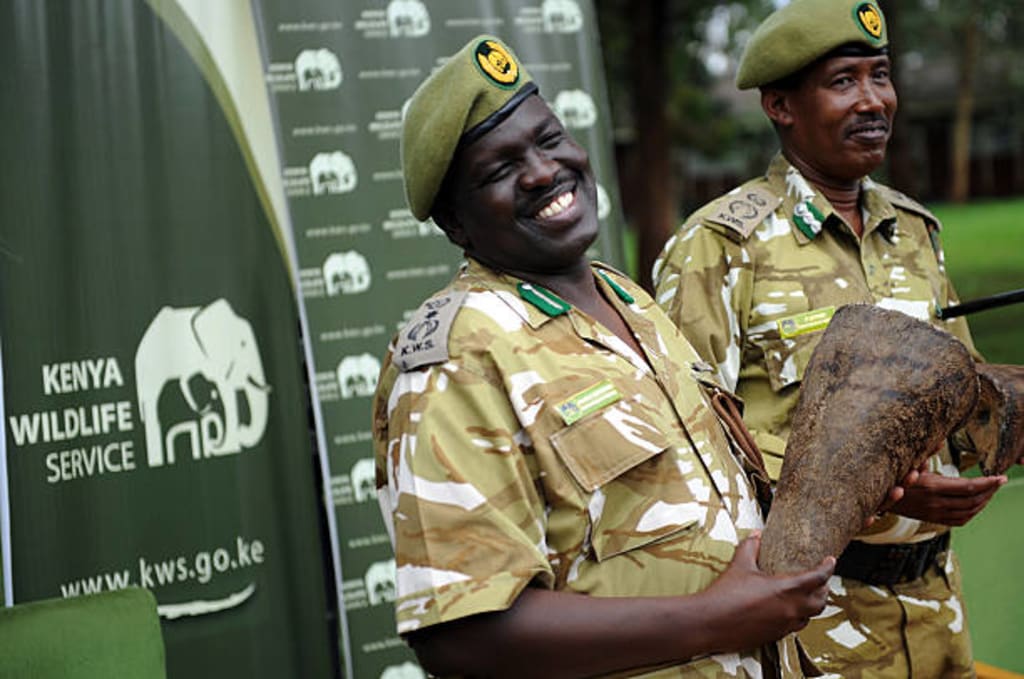
The medical exam is a crucial component of the cadet and rangers recruitment process. It ensures that candidates are physically and mentally fit for the demanding roles and responsibilities they will undertake. Proper preparation for this exam can significantly enhance your chances of passing and succeeding in the recruitment process. This guide outlines key strategies for preparing effectively for the cadet and rangers medical exam.
Understanding the Medical Exam Requirements
Overview of Medical Standards
The medical exam evaluates various aspects of your health to determine your suitability for the cadet and rangers roles. The standards typically include:
General Health: Assessment of overall health and medical history.
Physical Fitness: Evaluation of physical capabilities and endurance.
Vision and Hearing: Tests to ensure proper visual and auditory functions.
Psychological Health: Assessment of mental and emotional well-being.
Specific Criteria
Different cadet and ranger programs may have varying medical requirements. It’s essential to understand the specific criteria for the program you are applying to. Research the required standards and prepare accordingly to meet or exceed them.
Health Check-Ups and Documentation
Regular Medical Check-Ups
Schedule regular check-ups with your healthcare provider to monitor your health and address any potential issues before the medical exam. Regular check-ups help identify and manage health conditions that could affect your performance during the exam.
Medical History Documentation
Prepare comprehensive documentation of your medical history, including:
Previous Medical Records: Include records of past illnesses, surgeries, or treatments.
Current Medications: List any medications you are currently taking and their purpose.
Vaccination Records: Ensure your vaccinations are up-to-date and documented.
Pre-Exam Health Review
Before the exam, review your health status with your doctor. Discuss any concerns or conditions that may affect your performance and seek advice on how to address them.
Physical Fitness Preparation
Developing a Fitness Regimen
Physical fitness is a critical aspect of the medical exam. Develop a structured fitness regimen to improve your overall physical condition and meet the required standards.
Cardiovascular Training: Incorporate activities like running, swimming, or cycling to build endurance.
Strength Training: Include weightlifting and bodyweight exercises to enhance strength and muscle tone.
Flexibility Exercises: Practice stretching or yoga to improve flexibility and prevent injuries.
Nutrition and Hydration
Proper nutrition and hydration play a vital role in preparing for the medical exam.
Balanced Diet: Consume a diet rich in fruits, vegetables, lean proteins, and whole grains to support overall health and fitness.
Hydration: Drink plenty of water daily to stay hydrated and support physical performance.
Avoid Harmful Substances: Refrain from smoking, excessive alcohol consumption, or using recreational drugs, as these can negatively impact your health and exam performance.
Vision and Hearing Preparation
Vision Health
Good vision is essential for many aspects of the cadet and ranger roles. To prepare for vision tests:
Eye Check-Up: Schedule an eye exam to ensure your vision is within the required standards.
Corrective Measures: If you wear glasses or contact lenses, make sure your prescription is up-to-date and that you have the necessary corrective measures.
Hearing Health
Hearing ability is also assessed during the medical exam. To prepare:
Hearing Test: Have your hearing evaluated by a professional to ensure it meets the required standards.
Protect Your Hearing: Avoid exposure to loud noises and practice good hearing health habits.
Psychological and Emotional Preparation
Mental Health Assessment
The medical exam may include a psychological assessment to evaluate your mental and emotional well-being.
Self-Evaluation: Reflect on your mental health and emotional resilience. Address any issues or concerns with a mental health professional if necessary.
Stress Management: Develop strategies for managing stress, such as mindfulness techniques, relaxation exercises, or counseling if needed.
Preparing for Psychological Tests
Understand the Tests: Familiarize yourself with the types of psychological assessments you may encounter and their purpose.
Practice Self-Care: Engage in activities that promote mental well-being and emotional stability.
Familiarizing Yourself with the Exam Process
Understanding the Procedure
Knowing what to expect during the medical exam can help reduce anxiety and improve your performance.
Exam Components: Research the different components of the medical exam, including the tests and evaluations you will undergo.
Preparation Tips: Follow any specific preparation guidelines provided by the cadet and ranger program, such as fasting requirements or restrictions on physical activity before the exam.
Mock Exams and Practice
Consider participating in mock exams or practice sessions to simulate the medical exam environment. This can help you become more familiar with the process and identify areas where you may need additional preparation.
Addressing Common Concerns
Managing Pre-Exam Anxiety
Pre-exam anxiety is common, but managing it effectively can improve your performance.
Relaxation Techniques: Practice relaxation techniques such as deep breathing, meditation, or progressive muscle relaxation.
Positive Visualization: Visualize yourself successfully completing the exam to build confidence and reduce anxiety.
Handling Medical Conditions
If you have a pre-existing medical condition, it’s important to address it proactively.
Medical Management: Work with your healthcare provider to manage your condition effectively and ensure it does not negatively impact your exam results.
Disclosure: Be honest and transparent about your medical history when required. Providing accurate information is crucial for your safety and suitability for the role.
Post-Exam Follow-Up
Reviewing Exam Results
After the exam, review your results and feedback to understand your performance.
Results: If available, obtain and review your exam results to identify any areas that may require improvement.
Feedback: Seek feedback from medical professionals or examiners if provided, and use it to address any issues before proceeding further in the recruitment process.
Addressing Any Issues
If you encounter any issues or have concerns about your exam results:
Seek Advice: Consult with your healthcare provider or recruitment advisors to address any concerns or questions.
Rehabilitation: If necessary, engage in rehabilitation or additional training to address any areas of concern and improve your overall fitness and health.
Conclusion
Preparing for the cadet and rangers medical exam requires a comprehensive approach that includes understanding the requirements, maintaining physical and mental health, and familiarizing yourself with the exam process. By focusing on regular health check-ups, developing a structured fitness regimen, managing vision and hearing health, and addressing psychological well-being, you can enhance your chances of passing the medical exam and advancing in the recruitment process. Proper preparation not only improves your performance but also ensures that you are fully prepared for the demands of a challenging and rewarding career in the cadet and range.
About the Creator
Enjoyed the story? Support the Creator.
Subscribe for free to receive all their stories in your feed.
Comments
There are no comments for this story
Be the first to respond and start the conversation.