


Mistakes are an inevitable part of the human experience. Throughout history, individuals have made numerous errors in their pursuits, whether in science, arts, or personal relationships. While mistakes may initially seem discouraging and disheartening, they actually serve as invaluable opportunities for growth and learning. As renowned philosopher Ralph Waldo Emerson once wisely stated, "All life is an experiment. The more experiments you make, the better." This essay will delve into the significance of mistakes, emphasizing how they contribute to personal development, foster resilience, and enable innovation.Personal Development
Mistakes are fundamental to personal development, enabling individuals to discover their strengths, weaknesses, and areas for improvement. The philosopher Friedrich Nietzsche once asserted, "That which does not kill us makes us stronger." When we make mistakes, we are confronted with our limitations and are motivated to overcome them. By recognizing our errors, we gain insights into our own character and abilities, leading to self-reflection and growth. Mistakes provide us with valuable lessons that help us navigate future challenges with greater wisdom and maturity.Resilience and Perseverance
Mistakes cultivate resilience and perseverance within individuals. American author and entrepreneur Seth Godin wisely stated, "Failure is an event, not a person." Mistakes serve as crucial building blocks for resilience, teaching us how to bounce back from setbacks and continue moving forward. When faced with failure, we are presented with an opportunity to develop a resilient mindset, fostering determination and perseverance. The ability to learn from mistakes and keep pushing forward is what separates those who achieve their goals from those who give up at the first sign of failure.Innovation and Progress
History is replete with examples of mistakes leading to groundbreaking innovations. Inventor Thomas Edison famously declared, "I have not failed. I've just found 10,000 ways that won't work." Edison's numerous failures in his quest to develop the electric light bulb ultimately led to his success. Similarly, in the field of science, mistakes have often paved the way for groundbreaking discoveries. Albert Einstein himself acknowledged, "A person who never made a mistake never tried anything new." It is through trial and error that innovative ideas are born and progress is made. Mistakes challenge the status quo, encouraging individuals to think outside the box and explore uncharted territories. Mistakes, though often viewed negatively, are an indispensable part of personal growth, resilience building, and innovation. As philosopher and psychologist William James astutely observed, "The greatest discovery of my generation is that human beings can alter their lives by altering their attitudes of mind." By embracing mistakes as opportunities for growth and learning, we can transform setbacks into stepping stones toward success. It is through our willingness to make mistakes, learn from them, and persist despite them that we can achieve greatness and leave a lasting impact on the world.
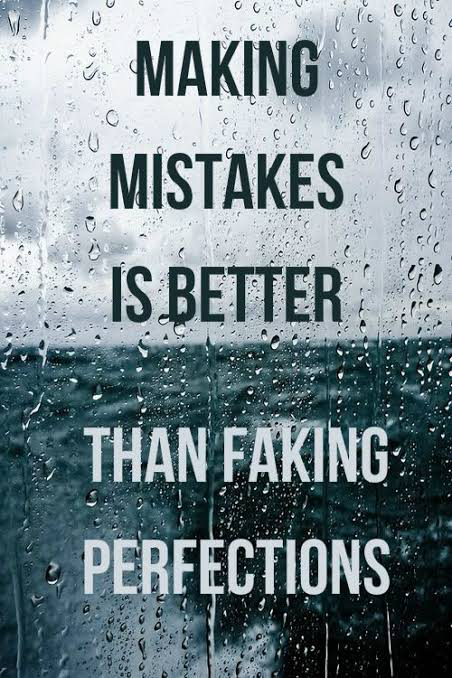
Mistakes are an inevitable part of life. We all make them, no matter how hard we try to avoid them. However, it's how we handle our mistakes that really defines us as individuals.One of the first steps in handling a mistake is to take responsibility for it. It can be tempting to blame others or make excuses, but that doesn't solve the problem. Taking ownership of our mistakes shows that we are mature and willing to learn from our experiences.Next, it's important to learn from our mistakes. What went wrong? What could we have done differently? Reflecting on our mistakes helps us to grow and improve. It also helps us to avoid making the same mistake again in the future. It's also important to remember that mistakes are opportunities for growth and learning. We can't grow if we don't make mistakes. Every mistake we make is a chance to learn something new about ourselves and the world around us. However, it's important not to dwell on our mistakes too much. We can't change what has already happened. Instead, we should focus on what we can do to move forward. This might involve making amends, apologizing to those we have hurt, or simply forgiving ourselves.It's also important to remember that everyone makes mistakes. We are all human, and we all have flaws. It's okay to make mistakes, as long as we learn from them and take steps to avoid making the same mistake again in the future.In conclusion, mistakes are an inevitable part of life. However, it's how we handle our mistakes that really matters. By taking responsibility for our actions, learning from our mistakes, and focusing on moving forward, we can turn our mistakes into opportunities for growth and learning.
About the Creator
Tayyaba Shafiq
“Mistakes are the portals of discovery”
Enjoyed the story? Support the Creator.
Subscribe for free to receive all their stories in your feed.
Comments
There are no comments for this story
Be the first to respond and start the conversation.