
Is the Construction Industry Only A Man's Field?
Rethinking leadership, legacy, and who gets to build the future
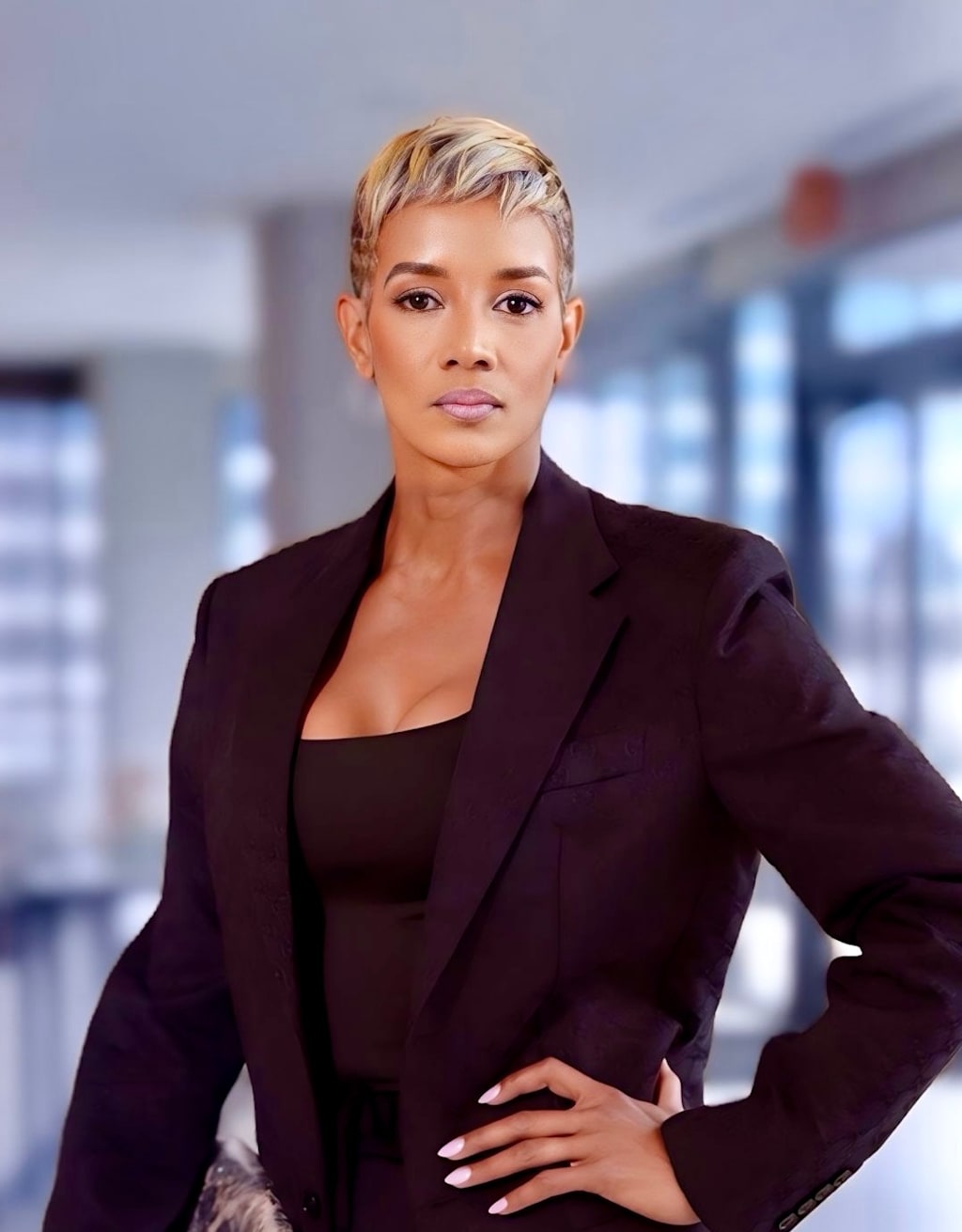
For decades, construction has been described in narrow terms: hard hats, heavy equipment, and leadership that—at least on paper—belonged mostly to men. Those assumptions have influenced who chooses to enter the industry and, just as importantly, who is considered “ready” to lead.
That picture is changing. Across the country, women are taking on roles across project delivery, program management, and executive leadership—helping shape what leadership in construction looks like in practice. The point is simple: women aren’t exceptions in construction. They’re essential contributors.
One clear example is Joy Rohadfox, CEO and president of Rohadfox Corporation, a global construction and program management firm marking 50 years.
A legacy built—and carried forward
Rohadfox Corporation was founded in 1976 by civil engineer Dr. Ronald Rohadfox. Over time, the company grew into a significant presence in infrastructure, aviation, and large-scale development. Today, Joy Rohadfox leads the organization forward while continuing the standards that built its reputation in the first place.
Her leadership is also rooted in family history and continuity. She’s the youngest of four siblings—her only daughter among three brothers—but her position in the company has always been determined by responsibility and readiness, not by sentiment or tradition. When her father passed leadership to her, she didn’t start over—she kept the mission moving, guiding the firm with both accountability and long-term vision. In 2026, Joy has led the company for as long as her father did.
Rohadfox Corporation’s work operates at a scale that demands more than technical knowledge. It requires planning, precision, and sustained leadership—qualities that Joy has brought to major infrastructure programs and large development efforts, including contributions to airport expansions and other large-scale projects.
With a footprint across markets such as Atlanta, Los Angeles, Miami, Washington, D.C., Charleston, Raleigh, and beyond, the firm has supported projects that many communities rely on every day. From transportation and transit work to critical water infrastructure, the company’s impact reflects decades of experience and a consistent role in how cities grow and function.
Leading by example
What stands out about Joy Rohadfox’s leadership is that it doesn’t depend on slogans. The work—and the leadership behind it—speaks clearly.
Construction has never been solely a “men’s field.” What’s been true is that women have often been underrepresented or overlooked. But when more leaders are visible, the conversation changes. Instead of focusing on whether someone belongs, teams start focusing on what people can deliver.
Today, women are advancing in engineering, project management, architecture, and executive leadership. They’re building careers and companies—and shaping the direction of the industry in a way that’s increasingly hard to ignore.
A blueprint centered on impact
Joy’s leadership reflects a broader understanding of construction: it’s not just about schedules, budgets, and scope. It’s also about the people affected by those projects—how infrastructure serves communities now and how it will continue to do so long after construction is complete.
That perspective matters, because it influences decisions at every level: what gets prioritized, how teams collaborate, and how leaders consider the long-term value of what they build.
Why representation matters
Representation isn’t only about visibility—it’s about practical outcomes. When women see leaders like Joy Rohadfox operating at the highest levels, it shifts expectations. It changes the internal question from “Is this possible for me?” to “How far can I go?”
The industry is moving forward
Construction is evolving, driven by infrastructure needs, new technology, and the demand for better ways to solve complex problems. As that evolution continues, the workforce is changing as well.
Women are entering the field in greater numbers, building expertise, and leading teams—not as exceptions, but as part of a broader shift. The old idea that construction is exclusively male is being replaced by a more accurate reality: talent and leadership aren’t determined by gender. The future of construction will be built by whoever brings the skills, experience, and vision to the work—regardless of who they are.
About the Creator
Phyllis Caddell
Phyllis Caddell is the founder and lead strategist of PCPR Communications in Los Angeles. She is a bestselling author, ghostwriter, publicist, and communications strategist, guiding clients in enhancing their brand narratives.
Enjoyed the story? Support the Creator.
Subscribe for free to receive all their stories in your feed.
Comments
There are no comments for this story
Be the first to respond and start the conversation.