
Intermittent Fasting: Benefits and Risks
Intermittent Fasting: Benefits and Risks Explained

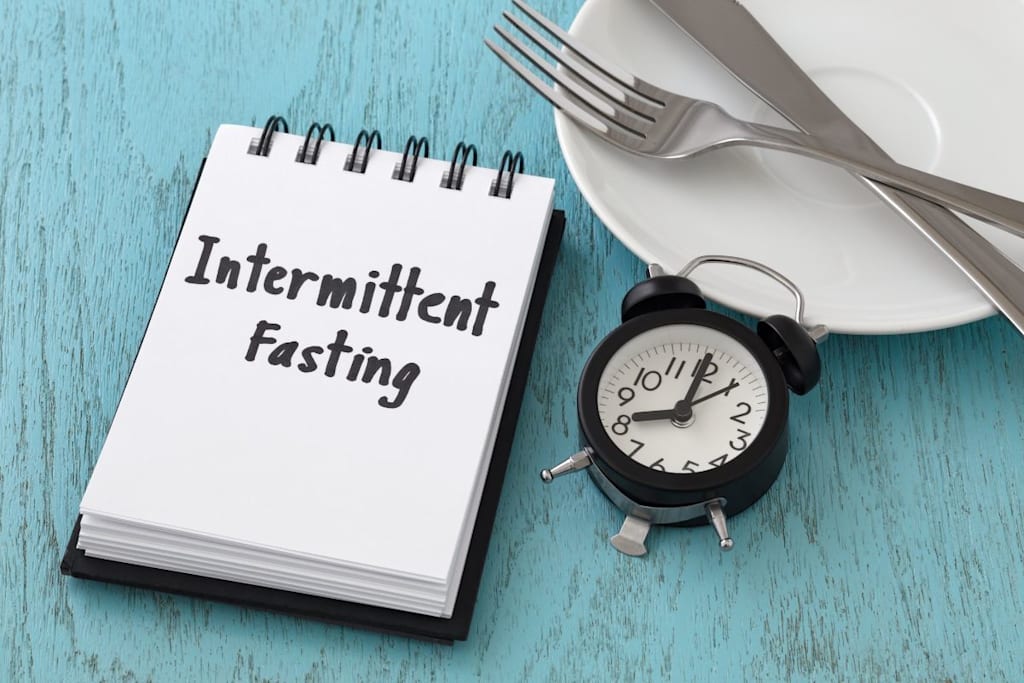
Intermittent fasting (IF) has become one of the most widely discussed eating patterns in recent years. Unlike traditional diets that focus on what to eat, intermittent fasting focuses on when to eat. It involves cycling between periods of eating and fasting, with various schedules such as 16:8 (16 hours fasting, 8 hours eating window), 5:2 (normal eating five days a week and reduced calories for two days), or alternate-day fasting.
While many people adopt intermittent fasting for weight management, its effects go beyond weight loss. However, like any dietary approach, it comes with both potential benefits and risks that should be understood before making it a long-term habit.
How Intermittent Fasting Works
During a fasting period, the body shifts from using glucose (sugar) as its main energy source to burning stored fat. After several hours without food, insulin levels drop, and the body begins to tap into fat reserves for energy. This metabolic switch is one of the key reasons intermittent fasting is associated with weight loss and improved metabolic health.
Fasting periods also trigger cellular processes like autophagy, where the body removes damaged cells and regenerates new ones. This has led researchers to explore intermittent fasting’s potential role in longevity and disease prevention.
Potential Benefits of Intermittent Fasting
1. Supports Weight Loss and Fat Reduction
One of the main reasons people try intermittent fasting is weight loss. By limiting the eating window, many individuals naturally consume fewer calories. Additionally, lower insulin levels during fasting make it easier for the body to burn stored fat.
Some studies suggest that intermittent fasting can be as effective as traditional calorie-restricted diets for weight loss, especially in the short term.
2. Improves Insulin Sensitivity
Intermittent fasting may help improve insulin sensitivity, which is important for blood sugar regulation. Better insulin response means the body can manage glucose more efficiently, reducing the risk of type 2 diabetes.
For people with prediabetes or insulin resistance, this effect can be particularly beneficial when combined with a balanced diet.
3. Supports Heart Health
Research indicates that intermittent fasting may improve several risk factors linked to heart disease. These include reduced LDL (bad cholesterol), lower triglycerides, decreased blood pressure, and improved inflammation levels.
While results vary between individuals, these changes collectively support better cardiovascular health.
4. May Enhance Brain Function
Fasting periods may influence brain health by improving focus, mental clarity, and cognitive performance. Some studies suggest that intermittent fasting increases the production of brain-derived neurotrophic factor (BDNF), a protein associated with learning and memory.
There is also ongoing research into whether intermittent fasting could help protect against neurodegenerative conditions like Alzheimer’s disease, although more evidence is needed.
5. Promotes Cellular Repair Processes
During fasting, the body activates autophagy, a process where damaged cells are broken down and recycled. This “cellular cleaning” is believed to support overall health and may play a role in slowing aging and reducing the risk of certain diseases.
Potential Risks and Side Effects of Intermittent Fasting
Despite its benefits, intermittent fasting is not suitable for everyone. It can have side effects, especially during the adjustment period or when practiced incorrectly.
1. Hunger, Fatigue, and Irritability
One of the most common side effects is increased hunger, especially in the beginning. Some people may also experience fatigue, headaches, or irritability as the body adapts to new eating patterns. These symptoms often improve after a few days or weeks.
2. Risk of Overeating
Some individuals may overcompensate during eating windows by consuming large amounts of food. This can cancel out the calorie deficit created during fasting and may even lead to weight gain instead of weight loss.
3. Nutritional Deficiency
If meals are not well planned, intermittent fasting can lead to nutrient deficiencies. Since eating time is limited, there is a risk of not getting enough vitamins, minerals, protein, or fiber, especially if the diet is unbalanced.
4. Not Suitable for Everyone
Intermittent fasting is not recommended for certain groups, including pregnant or breastfeeding women, children and teenagers, individuals with eating disorders, and people with certain medical conditions such as diabetes (without medical supervision).
5. Possible Hormonal Effects
In some cases, especially in women, intermittent fasting may affect hormonal balance. Irregular menstrual cycles, stress hormone fluctuations, or disrupted energy levels have been reported by some individuals practicing strict fasting schedules.
Is Intermittent Fasting Right for You?
Intermittent fasting can be a useful approach for improving metabolic health and supporting weight management, but it is not a one-size-fits-all solution. Its effectiveness depends on lifestyle, food choices, sleep, stress levels, and overall health condition.
Before starting intermittent fasting, it is important to focus on nutrient-dense meals, stay hydrated, and listen to the body’s signals. If any negative symptoms persist, it may be necessary to adjust the fasting schedule or discontinue it.
Conclusion
Intermittent fasting is more than just a diet trend; it is an eating pattern that can influence metabolism, energy balance, and overall health. While it offers several potential benefits such as weight loss, improved insulin sensitivity, and better heart health, it also carries risks like fatigue, nutrient deficiencies, and hormonal imbalance in some individuals.
Understanding both sides is essential before adopting it as a long-term lifestyle. A balanced, informed approach is always more effective than extreme dietary changes.
About the Creator
Stories Today
Stories Today is a place where real people share real stories, and that’s it. We believe every person has an incredible story to tell.
Visit us:https://storiestoday.co.uk/
Enjoyed the story? Support the Creator.
Subscribe for free to receive all their stories in your feed.
Comments
There are no comments for this story
Be the first to respond and start the conversation.