
Integrating Arts and SEL: Fun Activities to Build Emotional Intelligence in Students
how arts-based social emotional learning activities for elementary classrooms.
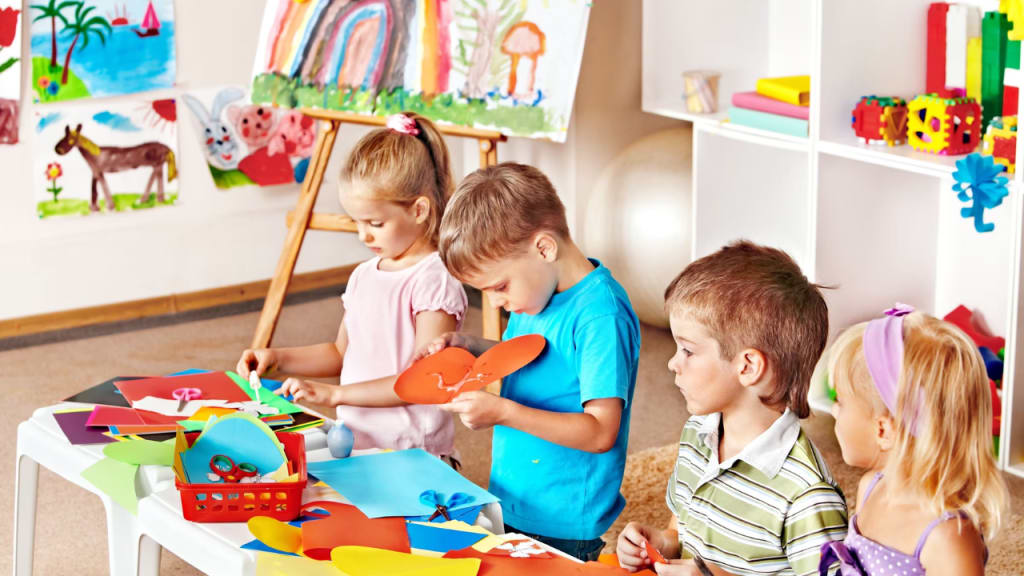
Social Emotional Learning (SEL) plays a crucial role in helping students develop emotional intelligence, empathy, and social skills. Combining SEL with the arts adds a layer of creativity and engagement that resonates deeply with children. Through arts activities for social emotional learning, educators can make lessons more interactive, helping students connect emotionally and socially in meaningful ways.
This article explores how arts-based social emotional learning activities for elementary classrooms can foster emotional growth while encouraging self-expression and creativity.
Why Integrate Arts with SEL?
The arts provide a powerful medium for expression and communication, especially for young learners. Whether through painting, drama, music, or dance, artistic activities allow children to explore and process their emotions in a safe and creative environment. Integrating SEL lessons into these activities promotes critical skills like empathy, communication, and teamwork.
Fun Arts Activities for Social Emotional Learning
Below are creative ideas to implement SEL lessons for elementary students using arts-based activities.
1. Emotion Art Journals
Objective: Encourage students to explore and express their emotions through drawing or painting.
Activity: Provide each student with a journal and ask them to create artwork representing their emotions on different days. For example, they might use colors and shapes to symbolize happiness, anger, or sadness.
SEL Skills: Builds self-awareness and emotional regulation by helping students identify and articulate their feelings.
2. Storytelling Through Drama
Objective: Help students understand different perspectives and practice empathy.
Activity: Organize a role-playing session where students act out characters from a story that deals with emotional challenges. Stories like The Giving Tree or The Rainbow Fish are great choices.
SEL Skills: Promotes empathy, communication, and problem-solving skills.
3. Collaborative Murals
Objective: Teach teamwork and the value of collective effort.
Activity: Ask students to create a mural together that represents kindness or community. Each student contributes a piece of the artwork, fostering collaboration and mutual respect.
SEL Skills: Enhances teamwork and appreciation for others’ contributions.
4. Music and Movement Activities
Objective: Use music to help students connect with emotions and relieve stress.
Activity: Play songs with varying tempos and ask students to move or dance in a way that matches the music's mood. Discuss how the music makes them feel and why.
SEL Skills: Builds self-expression and emotional awareness through physical and auditory engagement.
5. Literature-Based Art Projects
Objective: Combine storytelling with artistic expression to explore emotions and relationships.
Activity: Use arts activities for social emotional learning by selecting children’s books that highlight emotional themes, such as Where the Wild Things Are. After reading, have students create art that reflects the story's emotions or themes.
SEL Skills: Encourages emotional connection and reflection.
Tips for Implementing Arts-Based SEL Lessons
- Create a Safe Space: Foster an inclusive and supportive environment where students feel comfortable expressing themselves.
- Encourage Reflection: After each activity, lead a discussion to help students connect their artistic creations to their emotions and experiences.
- Use Cross-Curricular Approaches: Blend SEL with subjects like language arts, science, or social studies to reinforce emotional intelligence in multiple contexts.
The Impact of Arts and SEL
Integrating arts into SEL can lead to profound benefits for elementary students, including:
- Improved Emotional Regulation: Creative activities help students process and manage emotions effectively.
- Stronger Social Skills: Collaborative projects build communication and teamwork.
- Enhanced Creativity: The arts allow students to think critically and innovate, skills essential for overall growth.
Final Thoughts
Integrating arts with social emotional learning activities for elementary students is a dynamic and impactful way to foster emotional intelligence. Through creative SEL lessons for elementary classrooms, children gain the tools to understand and manage their emotions, build relationships, and navigate challenges with confidence.
By combining the power of the arts with SEL, educators can inspire young minds to grow not just academically, but emotionally and socially as well.
About the Creator
Enjoyed the story? Support the Creator.
Subscribe for free to receive all their stories in your feed.
Comments
There are no comments for this story
Be the first to respond and start the conversation.