
Inspiring Personal Stories
Athletes’ real-life stories of perseverance and overcoming adversity

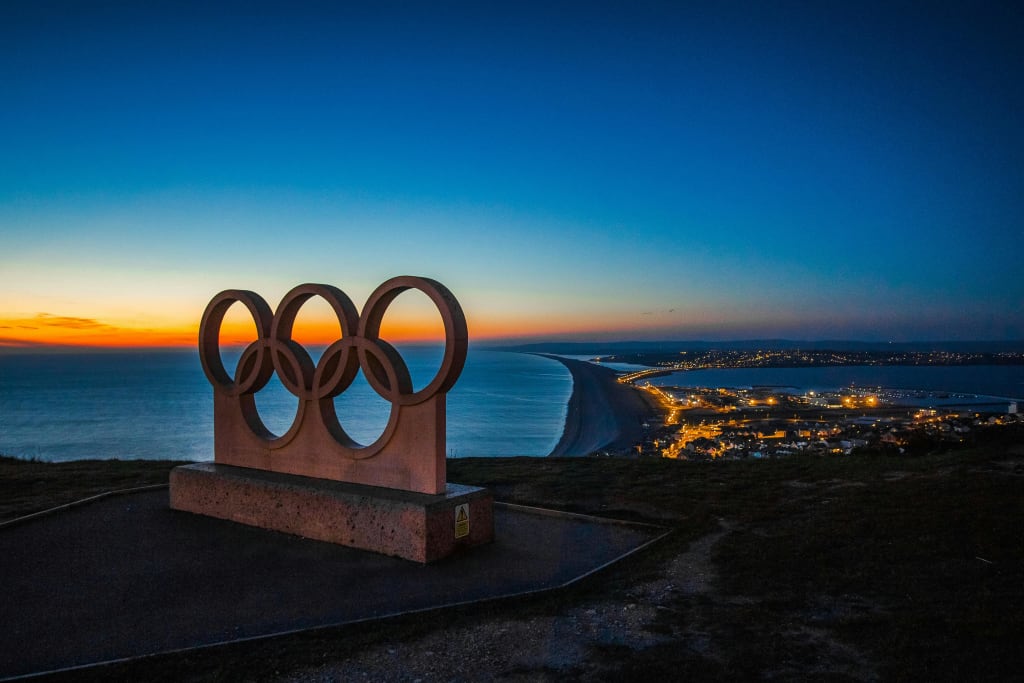
The Paris Olympics are in full swing, and the Hong Kong delegation has been showcasing extraordinary athletic prowess. Fencer Kong Man Wai delivered a stunning comeback from a 1:7 deficit, rallying to win 13:12. Fencing star Cheung Ka Long once again claimed a gold medal, while swimmer Siobhan Haughey added a bronze to Hong Kong’s tally in the freestyle event. These remarkable achievements are the result of years of relentless dedication by local athletes who, undeterred by injuries, have persevered to reach this global stage. As the games progress, social media is flooded with captivating Olympic moments, and the athletes' journeys are unfolding like epic tales, igniting Olympic fever worldwide. Behind this wave of excitement lie deep psychological motivators, as analyzed by Popular Science magazine.
First, carefully orchestrated marketing plays a pivotal role in fueling Olympic enthusiasm. From the meticulously designed venues and race tracks to the grand opening ceremonies and tourism promotions, the Olympics have become a commercial and media spectacle. Athletes become the focal point, drawing fan attention, which in turn spurs media coverage, attracting sponsors to drive this global celebration.
Secondly, the Olympics provide a valuable platform for people to express national pride. Cheung Ka Long’s post-victory remark, “Hong Kong may be small, but if we believe in ourselves, we can achieve the impossible,” deeply resonated with many Hongkongers. Studies suggest that humans inherently crave a sense of belonging to a group, a feeling that is vividly expressed in the Olympic arena. The sense of tribal identity from ancient times and today's nationalism reflect humanity’s psychological need for belonging and loyalty.
Finally, the Olympics captivate audiences because of the deeply moving personal stories. Whether it’s Kong Man Wai’s thrilling comeback or the perseverance of athletes like Cheung Ka Long and Siobhan Haughey, these real and inspiring stories motivate everyone to chase their dreams and push past their limits. These stories, like shining stars, illuminate the Olympic stage and inspire the hearts of people around the world.
When we delve into the mysteries of the human mind, it’s clear that personal stories, especially those of resilience and perseverance, resonate deeply with us. Athletes who press on despite adversity, showing unwavering determination towards their goals, display psychological strength and inner power that stir a strong emotional connection within us. This connection arises from our shared experience—the pursuit of dreams and the courage to face challenges—that naturally leads us to empathize with each attempt and breakthrough the athletes make. Take Hong Kong’s gymnastics representative Shek Wai Hung as an example. Although he didn’t advance in the men’s vault event, his optimism and joy in participating embodied the true spirit of sportsmanship. He remarked, “Regrets? None at all. Although the result wasn’t what I expected, this was the most enjoyable, pressure-free experience of my 20-year athletic career.” His reflection not only conveys a positive outlook on life but also reminds us that true success lies not just in outward achievements but in inner satisfaction and personal growth.
British psychologist Dr. Josie Perry, a sports psychology expert, has explored the positive societal impact of sports competitions. She noted that watching sports can enhance our awareness of community power and awaken a deep-seated desire for belonging. When we witness athletes striving for greatness, we naturally aspire to embody those same qualities, yearning to become part of that “magical world.” Dr. Perry encourages the public to adopt a growth mindset in daily life, drawing inspiration from the efforts and achievements of those around us. Whether it’s the runner in the park just a step ahead or a teammate on the football field constantly improving, their actions serve as sources of "vicarious confidence." Observing their success can inspire us to unlock our inner potential, reinforcing the belief that we, too, can overcome obstacles and achieve our goals. She suggests breaking long-term goals into manageable steps and consistently working towards them as the key to success.
Moreover, while we are immersed in the passion and intensity of the Olympic games, it’s also worth paying attention to how athletes cope with pressure. Numerous sports psychologists emphasize the importance of “mindfulness”—focusing on every detail of the competition environment, from visual cues to auditory signals. This level of concentration helps athletes make the best decisions in critical moments and offers valuable insights for dealing with life’s challenges—appreciate and fully engage in the present because the best moments are often right now.
On the field of competition, learning to release mental burdens, maintain energy and focus, and immerse oneself in each moment is crucial to achieving excellence. Tennis superstar Rafael Nadal’s habit of arranging his water bottles during matches has been dubbed “Nadal’s Bottle Zen” by the media. While some interpret it as a branding strategy, it might be a technique to help Nadal disconnect from the outcomes of previous shots and refocus on the challenges ahead. Similarly, on the high-pressure Olympic stage, fencer Kong Man Wai shared her coping strategy: in moments of adversity, whether it's fixing her hair or requesting a pause, she gives herself a mental break to quickly adjust her mindset and start fresh.
Dr. Andrew Manley and Dr. Luke Barnes, sports psychologists from Leeds Beckett University, offered valuable mental support advice for Olympic athletes. They explained that each athlete has a unique strategy for maintaining focus: some use music to block out distractions, while others rely on positive self-talk to combat anxiety. The key is finding the method that allows them to concentrate fully on the task at hand. Faced with injuries, failure, or irreversible setbacks, psychologists encourage athletes—and everyone else—to explore the positives in adversity. They advise learning to accept and transform experiences, focusing on the things that truly give life meaning. For instance, if injury prevents a gold medal, athletes can think about other ways to find fulfillment—whether it’s helping teammates succeed or simply enjoying the pure joy of competition. This mindset shift applies not only to sports but also to every challenge we encounter in life.
Though the Olympics last only a few weeks, they represent the culmination of years of athletes' sweat and perseverance. Regardless of the outcomes, the resilience and brilliance they display epitomize the philosophy of "living in the moment and enjoying the process."
As we marvel at these thrilling competitions, we not only appreciate the boundless charm of sports but also draw deep inspiration and insight from them, witnessing the steadfast belief and determination that are worth learning from and internalizing. At this moment, let us cheer for these athletes who are striving with all their might, offering our highest respect and most sincere blessings. Every effort they make is a vivid embodiment of the relentless pursuit of dreams; every ounce of their perseverance shines with motivational light, guiding us forward as we pursue excellence and forge ahead on our own life journeys.
About the Creator
Penny
I like to explore personal development and practice it. Here I share with my friends and hoping my friends can benefit from it. Let us grow our soul together.
Enjoyed the story? Support the Creator.
Subscribe for free to receive all their stories in your feed.
Comments
There are no comments for this story
Be the first to respond and start the conversation.