
How to Start a Ketogenic Diet
A guide to health eating

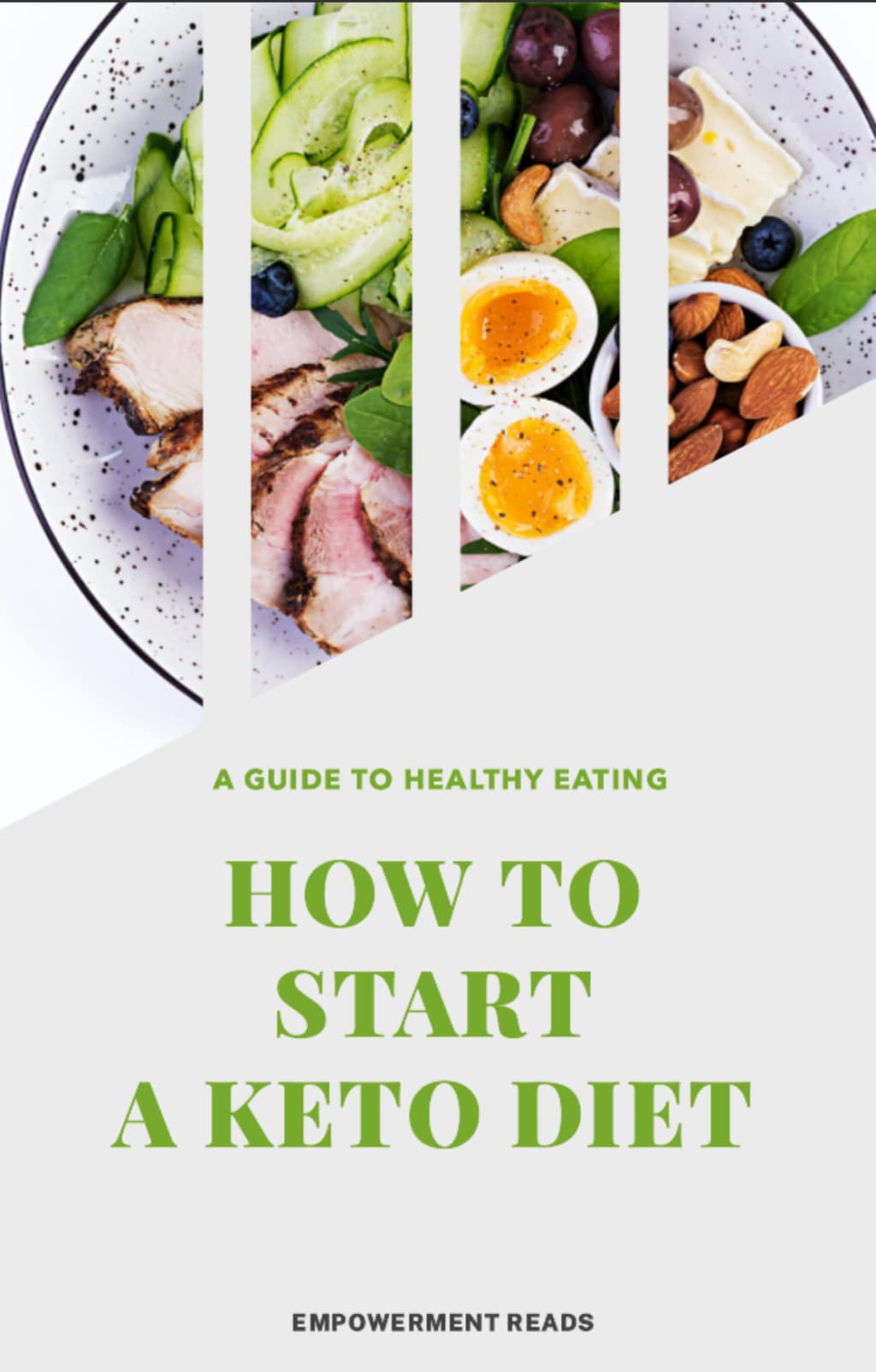
Welcome to "How to Start a Ketogenic Diet". Whether you're looking to lose weight, improve your energy levels, or enhance your overall health and well-being, you've come to the right place. In this comprehensive e-book, we will dive deep into the world of the ketogenic diet and unlock the incredible power of fat as a fuel source.
The ketogenic diet has gained immense popularity in recent years, and for good reason. It offers a unique and scientifically-backed approach to nutrition that can revolutionize the way you eat and feel. By shifting your body into a state of ketosis, where it primarily burns fat for fuel instead of carbohydrates, you can experience a wide range of benefits, from accelerated weight loss to increased mental clarity and sustained energy levels throughout the day.
In this e-book, we will guide you through every aspect of the ketogenic diet, ensuring that you have all the knowledge and tools necessary to embark on this transformative journey with confidence. Whether you're a complete beginner or already familiar with the ketogenic lifestyle, this guide is designed to be a valuable resource that will help you achieve your health and wellness goals.
We will start by demystifying the ketogenic diet and explaining the science behind it. You will gain a clear understanding of how ketosis works, why it's beneficial for your body, and how to determine the ideal macronutrient ratios for your unique needs. Armed with this knowledge, you'll be ready to embark on a new way of eating that focuses on nourishing your body with healthy fats, moderate protein, and limited carbohydrates.
Throughout this e-book, we will provide practical guidance on meal planning, grocery shopping, and kitchen essentials for the ketogenic lifestyle. You will discover a wide range of delicious and easy-to-prepare recipes that will not only satisfy your taste buds but also keep you in ketosis. We will also address common challenges and provide strategies to overcome them, ensuring that you have the tools to navigate social situations, dining out, and traveling while staying committed to your ketogenic goals.
We believe that education is the key to long-term success on the ketogenic diet. That's why we will delve into the science behind ketosis, explore the potential health benefits, and discuss how to monitor your progress and make adjustments along the way. You'll also find answers to frequently asked questions and gain insight into troubleshooting common issues that may arise during your ketogenic journey.
Get ready to embark on a transformative and empowering experience with "How to Start a Ketogenic Diet" Whether your goal is to lose weight, optimize your health, or simply feel your best, this e-book will provide you with the knowledge, inspiration, and practical tools to make the ketogenic lifestyle a sustainable and enjoyable part of your life.
So, are you ready to unlock the power of fat and experience the amazing benefits of the ketogenic diet? Let's dive in and discover a world of delicious, satisfying, and nourishing foods that will fuel your body and elevate your well-being.
A. What is the ketogenic diet?
A ketogenic diet, often referred to as the keto diet, is a low-carbohydrate, high-fat eating plan that has gained popularity for its potential health benefits. The primary goal of the ketogenic diet is to shift the body's metabolism into a state called ketosis.
In a standard diet, carbohydrates are the main source of energy for the body. When you consume carbohydrates, they are broken down into glucose, which is used by the body for immediate energy or stored in the liver and muscles as glycogen for future use. However, when carbohydrate intake is restricted, the body needs to find an alternative energy source.
On a ketogenic diet, carbohydrate intake is significantly reduced, typically to around 20-50 grams per day. This limitation forces the body to rely on stored fat for fuel. In the absence of carbohydrates, the liver starts breaking down fat into molecules called fatty acids and ketones through a process called ketogenesis. These ketones, specifically beta-hydroxybutyrate (BHB), acetoacetate, and acetone, are released into the bloodstream and serve as an alternative fuel source for the body and brain.
When the body is in a state of ketosis, it becomes highly efficient at burning fat for energy. This metabolic shift has several implications
Weight Loss: The ketogenic diet has been shown to promote weight loss, primarily through the reduction in carbohydrate intake and the increased utilization of stored fat as fuel. When the body is in ketosis, it becomes more efficient at burning fat, leading to a decrease in body fat stores.
Appetite Control: Ketogenic diets often lead to reduced hunger and increased satiety due to the higher fat and protein content in meals. Fat and protein are more filling and satisfying than carbohydrates, which can help control calorie intake and promote weight loss.
Improved Blood Sugar Control: By limiting carbohydrates, the ketogenic diet can help stabilize blood sugar levels. Carbohydrates are broken down into glucose, which causes spikes in blood sugar levels. By reducing carbohydrate intake, the body requires less insulin to process glucose, which can be beneficial for individuals with diabetes or insulin resistance.
Enhanced Mental Clarity and Focus: The brain can efficiently use ketones as an energy source. Many individuals report improved mental clarity, focus, and cognitive function when following a ketogenic diet. The stable supply of ketones to the brain can provide a consistent source of energy, reducing brain fog and enhancing mental performance.
Potential Health Benefits: Beyond weight loss, the ketogenic diet has shown promise in various health conditions. It may help improve markers of cardiovascular health, reduce inflammation, and enhance certain metabolic markers like triglyceride and cholesterol levels. It is also being studied for its potential therapeutic effects in conditions such as epilepsy, Alzheimer's disease, Parkinson's disease, and certain types of cancer.
To follow a ketogenic diet, it is essential to consume foods that are high in healthy fats, moderate in protein, and low in carbohydrates. Healthy fat sources include avocados, nuts and seeds, olive oil, coconut oil, fatty fish (like salmon and mackerel), and grass- fed butter. Protein sources can include meat, poultry, fish, eggs, and plant-based options like tofu and tempeh. Carbohydrates should primarily come from non-starchy vegetables such as leafy greens, broccoli, cauliflower, zucchini, and peppers. It is important to avoid or minimize foods high in carbohydrates, such as grains, sugars, legumes, and most fruits.
It's worth noting that transitioning into a ketogenic diet can cause temporary side effects, often referred to as the "keto flu." These may include fatigue, headache, dizziness, irritability, and nausea. These symptoms usually subside within a few days to a week as the body adjusts to using ketones as its primary fuel source.
Before starting a ketogenic diet, it is advisable to consult with a healthcare professional or a registered dietitian, especially if you have any underlying health conditions or are taking medications. They can provide personalized guidance and help ensure that you are meeting your nutritional needs while following the ketogenic diet safely.
For more informations, click here to reach the guide for a healthy eating.
Enjoy ,
Irem
About the Creator
Irem Kucukay
As a health author, I am passionate about empowering others to lead healthy and fulfilling lives. Through my writing, I aim to provide valuable guidance and inspiration to individuals seeking to make positive changes in their well-being.
Enjoyed the story? Support the Creator.
Subscribe for free to receive all their stories in your feed.
Comments
There are no comments for this story
Be the first to respond and start the conversation.