
How to Motivate Yourself to Perform Well in a Kenya Wildlife Service Job
Kenya Wildlife Service Job

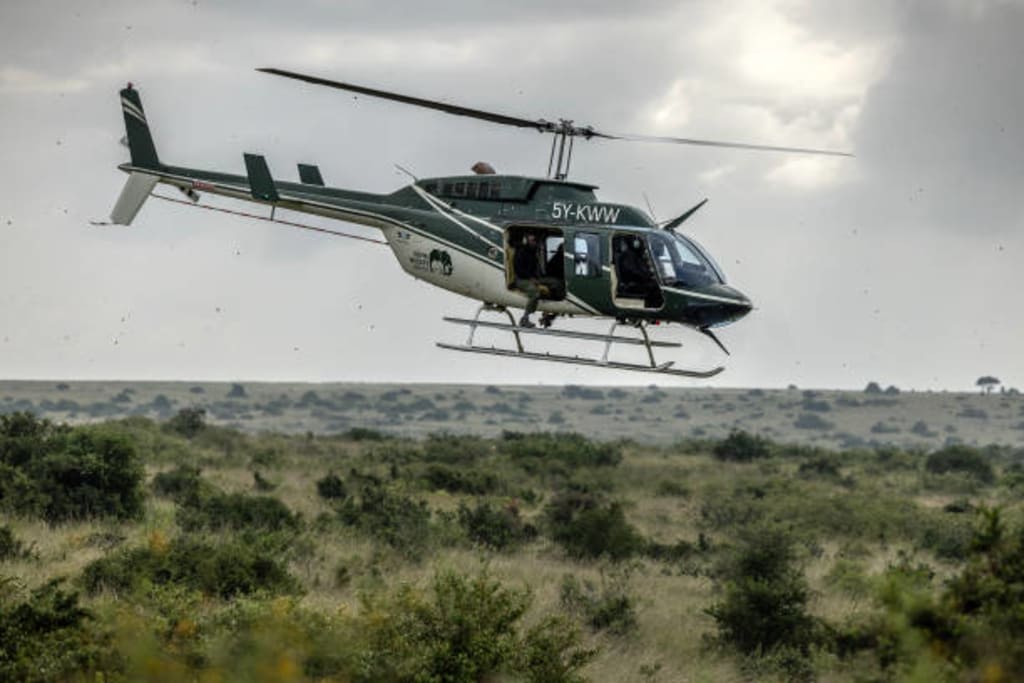
Having the Kenya Wildlife Service job rewarding opportunity to contribute to conservation and wildlife protection. However, maintaining motivation in this challenging field requires a deep commitment and a proactive approach. Here, we explore strategies to help you stay motivated and perform exceptionally well in your role.
Understanding Your Purpose
Aligning with the Mission
The Kenya Wildlife Service has a clear mission to conserve and manage wildlife resources. Understanding and aligning yourself with this mission can ignite your passion and drive.
Research d Reflection: Take time to understand the KWS mission and how it aligns with your values and goals. Reflect on what drew you to this field and the impact you hope to make.
Setting Personal Goals: Establish personal goals that align with KWS’s objectives. This can provide a sense of purpose and direction in your work.
Embracing the Role
Recognize the significance of your role within the organization. Every position contributes to the larger mission of conservation and wildlife protection.
Role Awareness: Understand the specific duties and responsibilities of your role and how they support the broader goals of KWS.
Acknowledging Impact: Acknowledge the impact your work has on wildlife conservation, local communities, and future generations.
Cultivating a Positive Work Environment
Building Strong Relationships
Creating positive relationships with colleagues and supervisors fosters a supportive and motivating work environment.
Communication: Maintain open and honest communication with your team. Share ideas, provide feedback, and seek advice when needed.
Team Collaboration: Collaborate effectively with colleagues to achieve common goals. A sense of teamwork enhances motivation and morale.
Finding Mentorship
Mentorship can provide guidance, encouragement, and support throughout your career.
Identifying Mentors: Seek out experienced professionals within KWS who can offer insights and advice.
Continuous Learning: Use mentorship as an opportunity to learn and grow. Engage in regular discussions to gain new perspectives and enhance your skills.
Developing Resilience and Adaptability
Embracing Challenges
The work environment in wildlife conservation can be unpredictable and demanding. Embrace challenges as opportunities for growth and learning.
Problem-Solving Skills: Develop strong problem-solving skills to tackle obstacles effectively. Analyze situations and consider creative solutions.
Positive Mindset: Maintain a positive mindset, even in difficult situations. Focus on what can be achieved and learn from setbacks.
Adapting to Change
Change is a constant in the field of wildlife conservation. Being adaptable is crucial for long-term success.
Flexibility: Be open to change and willing to adjust your approach as needed. Adaptability enhances your ability to handle new challenges.
Continuous Improvement: Regularly assess your performance and seek ways to improve. Embrace new technologies and methodologies that can enhance your work.
Enhancing Skills and Knowledge
Continuous Education
Staying informed and educated about developments in wildlife conservation is key to motivation and performance.
Training Opportunities: Take advantage of training programs and workshops offered by KWS. These opportunities can expand your knowledge and skills.
Self-Directed Learning: Engage in self-directed learning through reading, research, and online courses related to your field.
Specialization
Consider specializing in a specific area of wildlife conservation to deepen your expertise and increase job satisfaction.
Identify Interests: Identify areas of interest or expertise within your role. Specializing can provide a sense of accomplishment and purpose.
Pursue Certification: Obtain relevant certifications or qualifications to enhance your skills and career prospects.
Balancing Work and Personal Life
Managing Stress
Managing stress is essential for maintaining motivation and performance.
Stress-Reduction Techniques: Practice techniques such as mindfulness, meditation, and exercise to reduce stress and promote well-being.
Time Management: Develop effective time management skills to balance work demands with personal commitments.
Maintaining a Healthy Lifestyle
A healthy lifestyle supports overall well-being and motivation.
Nutrition and Exercise: Maintain a balanced diet and regular exercise routine to boost energy levels and resilience.
Rest and Recovery: Ensure adequate rest and recovery to prevent burnout. Prioritize sleep and relaxation.
Celebrating Achievements
Recognizing Success
Acknowledging and celebrating successes, both big and small, boosts motivation and morale.
Personal Milestones: Set personal milestones and celebrate achieving them. Recognize your progress and contributions.
Team Celebrations: Celebrate team achievements and contributions. Acknowledge the hard work and dedication of your colleagues.
Reflecting on Progress
Regularly reflect on your progress and growth within KWS.
Self-Assessment: Conduct self-assessments to evaluate your performance and identify areas for improvement.
Goal Review: Review and adjust your personal and professional goals as you progress in your career.
Fostering Passion and Commitment
Reconnecting with Nature
Working with wildlife provides unique opportunities to reconnect with nature, which can inspire and motivate.
Field Experiences: Participate in fieldwork and conservation activities that allow you to connect with wildlife and the natural environment.
Nature Appreciation: Cultivate an appreciation for nature through activities such as hiking, wildlife observation, or photography.
Advocating for Conservation
Advocating for conservation can reinforce your commitment to your role and the mission of KWS.
Community Engagement: Engage with local communities to promote conservation awareness and education.
Public Speaking: Participate in public speaking or outreach programs to share your passion for wildlife conservation.
Building a Long-Term Career Vision
Career Planning
Developing a long-term career vision provides motivation and direction.
Career Goals: Set clear career goals and outline the steps needed to achieve them. This provides a roadmap for your professional journey.
Skill Development: Identify skills and experiences needed to advance in your career and seek opportunities to acquire them.
Exploring Opportunities
Explore opportunities for growth and advancement within KWS.
Leadership Roles: Consider pursuing leadership roles or positions that offer greater responsibility and impact.
Diverse Experiences: Seek diverse experiences and assignments to broaden your skills and understanding of conservation.
Conclusion
Motivating yourself to perform well in a Kenya Wildlife Service job requires a combination of personal commitment, professional development, and a supportive work environment. By understanding your purpose, cultivating a positive work environment, developing resilience, enhancing your skills, balancing work and personal life, celebrating achievements, fostering passion, and building a long-term career vision, you can maintain motivation and achieve success in your role. Your dedication to wildlife conservation not only contributes to the protection of Kenya’s natural heritage but also enriches your own professional and personal life, creating a fulfilling and impactful career.
About the Creator
Enjoyed the story? Support the Creator.
Subscribe for free to receive all their stories in your feed.
Comments
There are no comments for this story
Be the first to respond and start the conversation.