
How To Do HealthCare In Summer
Summer Healthcare! And Tips
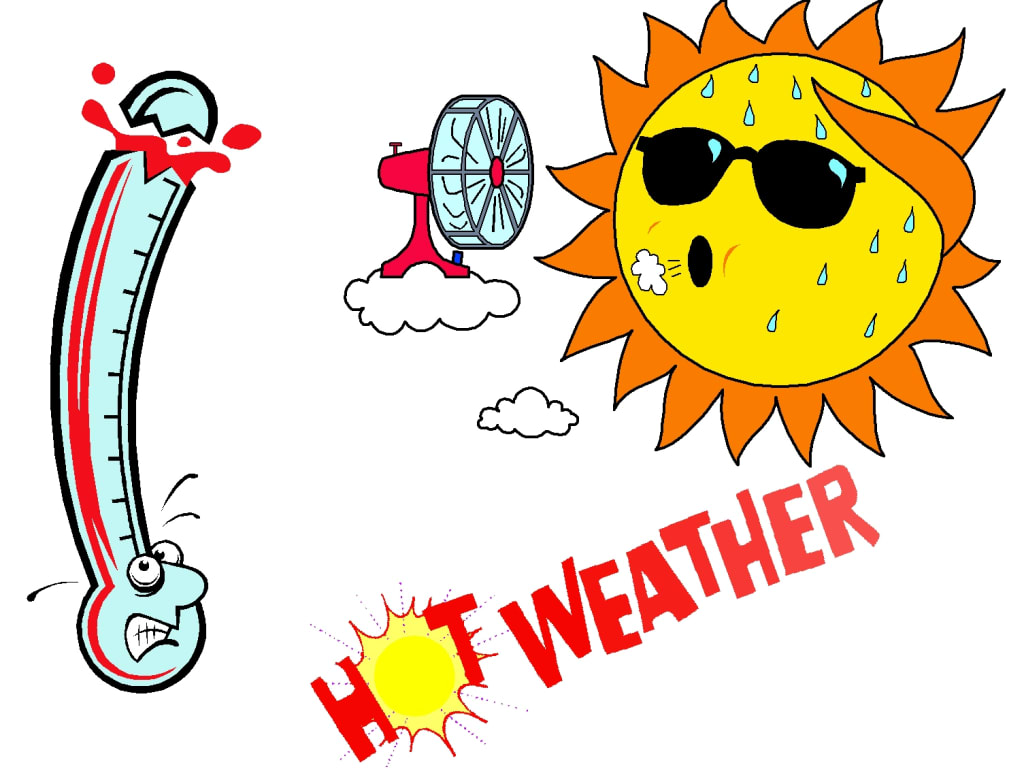
Welcome to Summer Healthcare! And Tips
Stay Hydrated for Optimal Health
1.1 The Importance of Drinking Water
1.2 Healthy Hydration Alternatives
Beat the Heat: Tips for Staying Safe
2.1 Dressing Appropriately for the Weather
2.2 Seeking Shade and Using Sunscreen
2.3 Avoiding Heat Exhaustion and Heatstroke
Nutritious Foods for Hot Days
3.1 Seasonal Fruits and Vegetables
3.2 Light and Refreshing Meals
3.3 Benefits of Barbecuing
Food Safety Precautions
4.1 Proper Handling and Storage of Food
4.2 Avoiding Foodborne Illnesses
Staying Active in the Summer
5.1 Outdoor Exercise Options
5.2 Importance of Sun Protection During Physical Activity
Water-Related Activities
6.1 Safety Tips for Swimming and Water Sports
6.2 Protecting Your Skin in the Water
Maintaining Mental Wellness in the Summer
7.1 The Impact of Sunlight on Mood
7.2 Stress Management Techniques
Health Considerations When Traveling
8.1 Vaccinations and Travel Medications
8.2 Managing Jet Lag and Motion Sickness
Safe and Healthy Vacation Habits
9.1 Prioritizing Rest and Sleep
9.2 Maintaining Healthy Routines
Conclusion
Frequently Asked Questions
11.1 How can I stay hydrated during the summer?
11.2 What are some healthy summer snacks?
11.3 Is it safe to exercise outdoors in hot weather?
11.4 How can I protect my skin from the sun?
11.5 What should I pack in my travel first aid kit?
1. Stay Hydrated for Optimal Health
Proper hydration is crucial for your overall health, particularly during hot summer days. It's essential to maintain an adequate water intake to regulate body temperature, support digestion, and ensure the proper functioning of your bodily systems.
1.1 The Importance of Drinking Water
Make it a habit to drink enough water throughout the day, especially when you're engaging in outdoor activities. Aim for a minimum of eight glasses of water daily, and increase your intake if you spend a significant amount of time under the sun.
1.2 Healthy Hydration Alternatives
While water should be your go-to choice for hydration, there are other healthy alternatives to keep you refreshed during the summer. Fresh fruit juices, herbal teas, and infused water with slices of fruits or herbs can add variety to your hydration routine.
2. Beat the Heat: Tips for Staying Safe
The scorching summer heat can pose risks to your health if you're not cautious. By following a few simple guidelines, you can ensure your safety and well-being even on the hottest days.
2.1 Dressing Appropriately for the Weather
Choose lightweight, loose-fitting clothing made from breathable fabrics like cotton or linen. Light colors reflect sunlight, keeping you cooler. Don't forget to wear a wide-brimmed hat and sunglasses to protect your face and eyes from harmful UV rays.
2.2 Seeking Shade and Using Sunscreen
When spending time outdoors, seek shade whenever possible, especially during peak sun hours. Apply a broad-spectrum sunscreen with an SPF of at least 30 to protect your skin from the damaging effects of the sun.
2.3 Avoiding Heat Exhaustion and Heatstroke
Symptoms may include dizziness, rapid heartbeat, headache, nausea, and confusion. If you experience any of these, seek shade, drink water, and cool down immediately. In severe cases, seek medical attention promptly.
3. Nutritious Foods for Hot Days
Eating a well-balanced diet is crucial for maintaining your health throughout the year, and summer is no exception. Incorporating nutritious foods into your meals can help you stay energized and nourished during the hot summer days.
3.1 Seasonal Fruits and Vegetables
Take advantage of the abundance of fresh fruits and vegetables available during the summer. Watermelon, berries, cucumbers, tomatoes, and leafy greens are excellent choices. These foods are not only hydrating but also packed with essential vitamins, minerals, and antioxidants.
3.2 Light and Refreshing Meals
Opt for lighter meals that are easier to digest in the heat. Choose grilled or steamed options instead of heavy, fried dishes. Salads, chilled soups, and wraps filled with lean proteins and plenty of veggies make refreshing and nutritious choices.
3.3 Benefits of Barbecuing
Barbecuing can be a healthy cooking method as it allows excess fat to drip away from the food. Marinate meats with flavorful herbs and spices to enhance taste without adding excessive salt or unhealthy sauces.
4. Food Safety Precautions
Proper food handling and storage are essential to prevent foodborne illnesses, which can be more common during the summer months. Follow these precautions to ensure the safety of your meals.
4.1 Proper Handling and Storage of Food
Keep raw meats separate from other foods to avoid cross-contamination. Refrigerate perishable items promptly and avoid leaving food out in the heat for extended periods.
4.2 Avoiding Foodborne Illnesses
When picnicking or attending outdoor gatherings, make sure to keep perishable foods in coolers with ice or gel packs. Discard any leftovers that have been sitting out for more than two hours (or one hour if the temperature is above 90°F/32°C).
5. Staying Active in the Summer
Physical activity is essential for maintaining good health, and summer offers numerous opportunities for outdoor exercise. However, it's crucial to take precautions to stay safe while being active under the sun.
5.1 Outdoor Exercise Options
Activities like swimming, hiking, cycling, or playing sports not only keep you fit but also allow you to enjoy the beauty of nature. Ensure you wear appropriate clothing, footwear, and protective gear.
5.2 Importance of Sun Protection During Physical Activity
Before heading outside, apply sunscreen with a high SPF to the exposed skin. Consider wearing lightweight, moisture-wicking clothing to keep you cool and protect your skin from harmful UV rays. Don't forget to hydrate adequately before, during, and after exercise to replace lost fluids.
6. Water-Related Activities
Whether it's swimming in a pool, lake, or the ocean, water-related activities are popular during the summer. While they provide a refreshing way to beat the heat, it's essential to be mindful of safety measures.
6.1 Safety Tips for Swimming and Water Sports
If you're not a confident swimmer, consider taking swimming lessons or staying in areas where you can touch the bottom. Always swim with a buddy and avoid swimming alone. Follow any posted safety rules and guidelines at pools, beaches, and lakes. Additionally, use proper safety equipment like life jackets when engaging in water sports.
6.2 Protecting Your Skin in the Water
Water can intensify the sun's rays, increasing the risk of sunburn. Apply waterproof sunscreen before entering the water and reapply after swimming. Wearing a wide-brimmed hat and UV-protective sunglasses can also provide extra protection for your face and eyes.
7. Maintaining Mental Wellness in the Summer
While summer is often associated with relaxation and enjoyment, it's essential to prioritize your mental health and well-being during this time.
7.1 The Impact of Sunlight on Mood
Sunlight plays a crucial role in regulating mood and promoting mental wellness. Take advantage of the longer daylight hours and spend time outdoors to soak up natural sunlight. Engaging in outdoor activities can boost your mood and alleviate symptoms of seasonal affective disorder (SAD).
7.2 Stress Management Techniques
Summer can be a busy time with vacations, social gatherings, and other commitments. However, it's important to manage stress effectively. Practice stress-relieving activities such as meditation, yoga, or spending time in nature. Don't forget to take breaks, set boundaries, and prioritize self-care to maintain your mental well-being.
8. Health Considerations When Traveling
Summer often means vacations and travel. Whether you're going on a road trip or flying to a distant destination, taking care of your health should be a priority.
8.1 Vaccinations and Travel Medications
Consult with a healthcare professional or travel clinic to ensure you're up to date with necessary immunizations. If you take prescription medications, ensure you have an adequate supply and carry them in your carry-on bag if traveling by plane.
8.2 Managing Jet Lag and Motion Sickness
Jet lag and motion sickness can affect your travel experience. To minimize the impact of jet lag, adjust your sleeping schedule gradually a few days before your trip. Stay hydrated during the flight, and upon arrival, try to acclimate to the local time as quickly as possible. For motion sickness, consider over-the-counter remedies, acupressure wristbands, or consult with a healthcare professional.
9. Safe and Healthy Vacation Habits
While vacationing, it's essential to maintain healthy habits to ensure a pleasant and safe experience.
9.1 Prioritizing Rest and Sleep
Vacations can sometimes be packed with activities, leaving little time for rest. However, getting enough sleep and allowing your body to recharge is crucial for your overall health. Establish a relaxing bedtime routine and aim for seven to nine hours of quality sleep each night.
9.2 Maintaining Healthy Routines
Although you may be on vacation, try to maintain some of your healthy routines. Incorporate physical activity into your daily itinerary, choose nutritious meal options, and drink plenty of water. Balance indulgences with healthier choices to ensure your well-being during your trip.
10. Conclusion
As you enjoy the summer season, remember to prioritize your health and well-being. By following these tips for summer healthcare, you can stay safe, hydrated, and nourished while making the most of the warm weather and outdoor activities.
11. Frequently Asked Questions
11.1 How can I stay hydrated during the summer?
To stay hydrated during the summer, make sure to drink plenty of water throughout the day. Carry a reusable water bottle with you and drink at regular intervals, especially when engaging in outdoor activities. You can also incorporate hydrating foods and beverages like fruits, vegetables, herbal teas, and infused water into your diet.
11.2 What are some healthy summer snacks?
Healthy summer snacks include fresh fruits like watermelon, berries, and grapes, which provide hydration and essential nutrients. Other options include Greek yogurt with berries, vegetable sticks with hummus, and homemade popsicles made from natural fruit juices.
11.3 Is it safe to exercise outdoors in hot weather?
It is generally safe to exercise outdoors in hot weather, but precautions should be taken. Choose cooler times of the day, such as early morning or evening, to avoid peak heat. Wear lightweight, breathable clothing, and protect yourself from the sun by applying sunscreen, wearing a hat, and staying hydrated.
11.4 How can I protect my skin from the sun?
To protect your skin from the sun, apply sunscreen with a high SPF before going outside, even on cloudy days. Wear protective clothing, such as long sleeves, pants, and a wide-brimmed hat.
11.5 What should I pack in my travel first aid kit?
When packing a travel first aid kit, include essentials such as adhesive bandages, antiseptic wipes, pain relievers, antihistamines, blister pads, and any necessary prescription medications. Additionally, pack items specific to your destination, such as insect repellent, sunscreen, and any necessary travel-related medications or treatments.
About the Creator
Enjoyed the story? Support the Creator.
Subscribe for free to receive all their stories in your feed.
Comments
There are no comments for this story
Be the first to respond and start the conversation.