
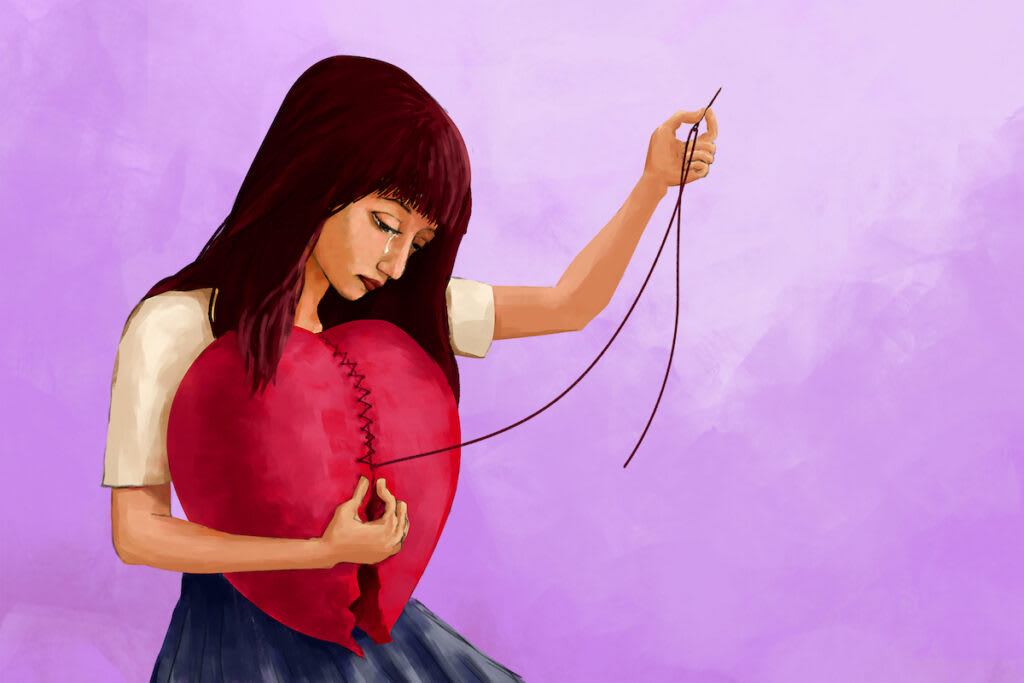
Many people have the unpleasant and challenging experience of heartbreak at some point in their life. When a romantic relationship ends or a loved one passes away, the pain of sadness may be excruciating and hurt your mental and physical health. We'll talk about heartbreak in this blog, how it might influence you, and some coping mechanisms.
What causes heartbreak?
The term "heartbreak" expresses the severe emotional suffering resulting from losing a loved one or ending a relationship. Numerous events, such as rejection, betrayal, abandonment, or death, can result in this anguish. It might appear as a variety of feelings, such as sadness, anxiety, anger, and loneliness.
How do you react to heartbreak?
Your mental and physical health can be greatly affected by heartbreak. Heartbreak frequently has several side effects, such as:
1-Depression: Heartbreak can result in depressive symptoms such as sorrow and hopelessness.
2-Anxiety: Panic attacks and anxiety can be brought on by the worry of being alone or of never finding love again.
3-bodily signs: Heartbreak can result in bodily signs including headaches, chest discomfort, and nausea.
4-Behavior changes: Heartbreak can lead to behavioral changes, including withdrawal from friends and family, binge drinking or drug use, and dangerous behavior.
How to handle heartbreak?
Even though experiencing sorrow can be challenging and unpleasant, there are methods to deal with it. Here are a few pieces of advice:
It's crucial to give yourself permission to experience and process your feelings, therefore permitting yourself to mourn. Feeling depressed, irate, or upset is OK since grieving is normal.
Contact friends, relatives, or a therapist to ask for help. You can analyze your feelings and feel less alone by talking to someone.
Self-care is important; give it top attention. Eat well, work out, get adequate rest, and do things that make you happy.
Engage in mindfulness exercises: Activities that help you stay present and lower stress include yoga, meditation, and deep breathing.
Make time for yourself: Be gentle with yourself; it takes time to recover from grief. Don't jump into a new relationship too quickly or try to divert your attention with harmful habits.
Heartbreak is one of the most difficult and painful experiences a person can go through in life. It is a feeling of overwhelming sadness, disappointment, and loss that can leave a person feeling empty and broken. Whether it is the end of a relationship, the loss of a loved one, or a betrayal of trust, heartbreak can be a deeply traumatic and emotional experience.
The effects of heartbreak can be both physical and emotional. Many people experience a range of symptoms such as difficulty sleeping, loss of appetite, and general fatigue. Emotionally, heartbreak can lead to depression, anxiety, and a sense of hopelessness. It can be difficult to move on from the pain and disappointment of heartbreak, and it often takes time and support to heal.
One of the most common forms of heartbreak is the end of a romantic relationship. When a relationship ends, it can feel like the world has been turned upside down. The person who was once the source of happiness and love is now gone, leaving a feeling of loneliness and sadness in their wake. The end of a relationship can be especially difficult if it was unexpected or if one person was blindsided by the breakup.
The process of healing from heartbreak can be a long and difficult one. It often involves taking time to grieve and process the loss and seeking support from friends, family, or a professional counselor. Many people also find comfort in engaging in self-care practices such as exercise, meditation, or creative expression.
One of the challenges of healing from heartbreak is the temptation to numb the pain with unhealthy coping mechanisms such as substance abuse or avoidance. While these may provide temporary relief, they can ultimately lead to further harm and prolong the healing process. It is important to seek out healthy coping mechanisms that allow for the processing of emotions and the development of new skills and interests.
Another form of heartbreak is the loss of a loved one. Whether it is a family member, friend, or pet, the death of someone close can be a devastating experience. It can feel like a piece of oneself has been lost forever, and the grief can be overwhelming. The process of grieving involves coming to terms with the loss, finding ways to honor the memory of the loved one, and moving forward with a renewed sense of purpose and meaning.
Betrayal of trust is another form of heartbreak that can be particularly difficult to overcome. When someone we trust and rely on violates that trust, it can be a deeply traumatic experience. Whether it is a friend who spreads rumors, a partner who cheats, or a colleague who steals credit for our work, betrayal can leave us feeling vulnerable and exposed. The process of healing from betrayal often involves setting boundaries, reevaluating relationships, and learning to trust again.
While heartbreak can be a deeply painful experience, it is also an opportunity for growth and transformation. Through the process of healing, we can develop resilience, strength, and a deeper understanding of ourselves and our relationships. We can learn to love and trust ourselves more fully, and to cultivate healthy and fulfilling connections with others.
In conclusion, while experiencing heartbreak can be unpleasant and challenging, it's crucial to keep in mind that it's a normal aspect of life. You may recover from loss and move on by allowing yourself to mourn, getting help, looking for yourself, practicing mindfulness, and giving yourself time.
About the Creator
Enjoyed the story? Support the Creator.
Subscribe for free to receive all their stories in your feed.
Comments
There are no comments for this story
Be the first to respond and start the conversation.