
Guide to Effective Weight Loss
With motivation and dedication, this comprehensive guide will support you on your journey to transform not only your body but also your overall well-being.

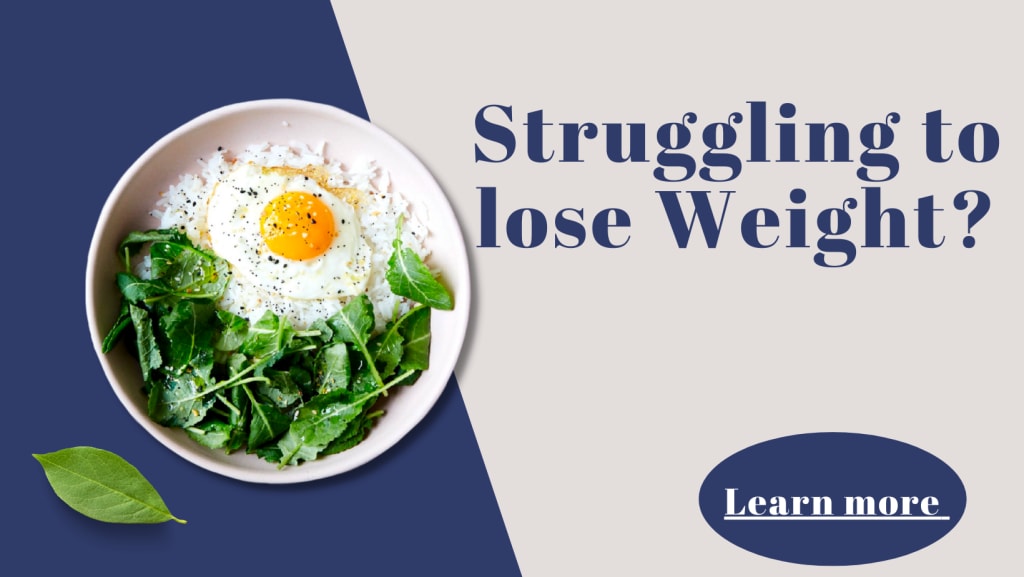
Losing weight can be challenging for many people due to various factors. Here are some reasons why weight loss can be difficult:
Metabolism: Each person's metabolism is unique, and some individuals naturally burn calories at a slower rate than others. A slower metabolism can make it harder to lose weight, as the body may not utilize calories efficiently.
Genetics: Genetic factors play a role in determining how the body stores and processes fat. Some people may be genetically predisposed to store more fat, especially in certain areas, making weight loss in those regions particularly difficult.
Hormonal imbalances: Hormones play a crucial role in regulating metabolism and appetite. Conditions such as polycystic ovary syndrome (PCOS) or thyroid disorders can lead to hormonal imbalances that hinder weight loss efforts.
Emotional eating and habits: Emotional eating, where individuals use food to cope with stress or emotions, can lead to overeating and difficulties in managing calorie intake. Unhealthy habits, such as excessive snacking or eating large portion sizes, can also impede weight loss progress.
Lack of physical activity: A sedentary lifestyle with minimal physical activity can slow down weight loss. Regular exercise helps burn calories, build muscle, and boost metabolism.
Medical conditions and medications: Certain medical conditions, such as insulin resistance or sleep disorders, can contribute to weight gain or hinder weight loss efforts. Additionally, some medications may have side effects that promote weight gain.
Yo-yo dieting: Frequent and extreme dieting can disrupt metabolism and lead to weight cycling, where individuals lose and regain weight repeatedly. This can make it harder to sustain weight loss in the long term.
Lack of consistency: Achieving and maintaining weight loss requires consistent efforts over time. Failing to stay committed to healthy eating and exercise habits can slow down progress or lead to weight regain.
Social and environmental factors: Peer influence, cultural norms, and the availability of unhealthy food options can make it challenging to stick to a healthy eating plan.
Underlying psychological factors: Some people may struggle with deep-rooted psychological issues, such as body image concerns or eating disorders, which can impact their ability to lose weight.
Losing weight involves a combination of healthy eating habits, regular physical activity, and lifestyle changes. Here are some tips to help you on your weight loss journey:
Set realistic goals: Aim for gradual and sustainable weight loss. Losing 1-2 pounds per week is a healthy and achievable target.
Create a balanced diet: Focus on a diet that includes a variety of nutrient-dense foods such as fruits, vegetables, whole grains, lean proteins, and healthy fats. Avoid or limit processed foods, sugary beverages, and high-calorie snacks.
Control portion sizes: Be mindful of portion sizes to avoid overeating, even when consuming healthy foods.
Stay hydrated: Drink plenty of water throughout the day. Sometimes thirst can be mistaken for hunger.
Plan your meals: Prepare your meals in advance to make healthier choices and avoid impulse eating.
Avoid crash diets: Extreme diets or drastic calorie restrictions are often unsustainable and can be harmful to your health.
Exercise regularly: Incorporate both cardiovascular exercises (like walking, jogging, swimming) and strength training into your routine. Aim for at least 150 minutes of moderate-intensity exercise or 75 minutes of vigorous-intensity exercise per week, along with muscle-strengthening activities on two or more days a week.
Get enough sleep: Lack of sleep can disrupt hormones related to hunger and appetite, leading to weight gain. Aim for 7-9 hours of quality sleep each night.
Manage stress: Stress can trigger emotional eating. Find healthy ways to cope with stress, such as meditation, yoga, or hobbies you enjoy.
Keep a food journal: Writing down what you eat can help you become more aware of your eating patterns and identify areas for improvement.
Stay consistent: Stay committed to your weight loss journey, even if you experience setbacks. Progress may be gradual, but it's important to keep going.
Be kind to yourself and focus on creating healthy habits that you can maintain in the long run.
There more ways can help you to lose weight. Click here and learn more.
About the Creator
Raquel
I am a dynamic digital creator and seller who leaves a lasting impact. With a diverse background and a range of skills in technology, art, health and wellness, personal development, and business and entrepreneurship.
Enjoyed the story? Support the Creator.
Subscribe for free to receive all their stories in your feed.
Comments
There are no comments for this story
Be the first to respond and start the conversation.